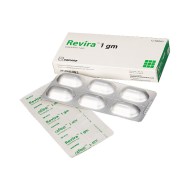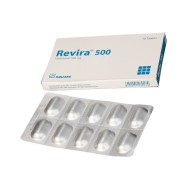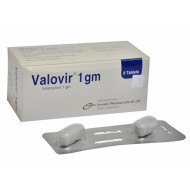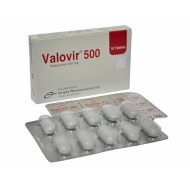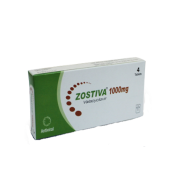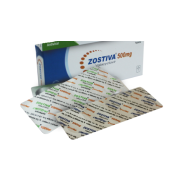
- Stock: Out Of Stock
- Brand: ACI Pharmaceuticals
- Product ID: Valacyclovir
🔒 100% Secure Payment | bKash | Nagad | SSLCommerz | COD
⭐ Become a FREE Member: 7% Extra Savings • Free Delivery • Refill Reminders • Priority Support
This Item is for pre order
Alaclov 500 mg Tablet (Valacyclovir) – ACI Limited
| Brand Name | Alaclov Tablet |
|---|---|
| Generic Name | Valacyclovir Hydrochloride |
| Strength | 500 mg |
| Dosage Form | Tablet (film-coated) |
| Manufacturer | ACI Limited, Bangladesh |
| Drug Class | Antiviral — Nucleoside Analogue (Prodrug of Acyclovir) |
| Pack Size | Per Tablet |
| Prescription Required | Yes (Rx) |
| Storage | Store below 30°C in a dry place, away from light and moisture |
1. About Alaclov (Valacyclovir)
Alaclov Tablet is a brand of Valacyclovir Hydrochloride 500 mg, manufactured by ACI Limited, Bangladesh. Valacyclovir is a second-generation antiviral agent belonging to the nucleoside analogue class. It is the L-valyl ester prodrug of acyclovir, designed to overcome the poor oral bioavailability limitation of acyclovir itself.
Upon oral administration, valacyclovir is rapidly and almost completely converted to acyclovir by intestinal and hepatic enzymes. This conversion results in plasma acyclovir concentrations 3–5 times higher than those achieved with equivalent oral acyclovir doses, while offering the convenience of less frequent dosing. Alaclov is used to treat a range of herpesvirus infections including herpes zoster (shingles), genital herpes, herpes labialis (cold sores), and chickenpox.
2. Mechanism of Action
Valacyclovir is a prodrug that is converted to acyclovir in the body. Acyclovir's antiviral activity depends on three sequential phosphorylation steps:
- First phosphorylation: Acyclovir is phosphorylated to acyclovir monophosphate by viral thymidine kinase (TK) — this step is selective for virus-infected cells, as cellular TK phosphorylates acyclovir very poorly. This selective activation means acyclovir is relatively non-toxic to uninfected host cells.
- Second and third phosphorylation: Cellular kinases convert acyclovir monophosphate to acyclovir triphosphate (the active form)
- Inhibition of viral DNA polymerase: Acyclovir triphosphate competitively inhibits viral DNA polymerase and, as a chain terminator, becomes irreversibly incorporated into the growing viral DNA strand — halting viral replication
The selectivity of viral TK for acyclovir activation is the basis for valacyclovir's favorable safety profile. Viruses susceptible to valacyclovir/acyclovir include Herpes Simplex Virus type 1 (HSV-1), HSV-2, Varicella Zoster Virus (VZV), Epstein-Barr Virus (EBV), and Cytomegalovirus (CMV) — though CMV requires higher acyclovir concentrations and specific clinical regimens.
3. Indications
Alaclov (Valacyclovir) 500 mg is indicated for:
- Herpes Zoster (Shingles): Treatment of acute varicella-zoster virus reactivation — reduces duration of rash, accelerates healing of lesions, and importantly reduces the incidence and severity of post-herpetic neuralgia (PHN)
- Genital Herpes — Initial Episode: Treatment of primary/first-episode genital herpes (HSV-2 or HSV-1) — shortens duration of lesions, reduces viral shedding, and accelerates symptom resolution
- Genital Herpes — Recurrent Episodes: Episodic treatment of recurrent genital herpes; shortens outbreaks and reduces duration of viral shedding
- Genital Herpes — Suppressive Therapy: Long-term daily suppressive therapy to reduce frequency of recurrences in patients with frequent outbreaks; also reduces risk of sexual transmission to uninfected partners
- Herpes Labialis (Cold Sores): Treatment of herpes simplex labialis — reduces duration and pain of cold sore outbreaks
- Chickenpox (Varicella): In adolescents and adults within 24 hours of rash onset
- CMV Prophylaxis: Prevention of CMV infection/disease in high-risk patients following renal transplantation (1 gm dose regimen)
Valacyclovir is most effective when started as early as possible after symptom onset — ideally within 24–48 hours of rash appearance for herpes zoster, and within 24 hours for cold sores.
4. Dosage and Administration
Herpes Zoster (Shingles):
- 1000 mg (2 × 500 mg tablets) three times daily for 7 days
- Start within 48–72 hours of onset of rash (ideally within 24 hours)
Genital Herpes — First Episode:
- 1000 mg (2 × 500 mg) twice daily for 10 days
Genital Herpes — Recurrent Episodes:
- 500 mg twice daily for 3–5 days (start within 24 hours of symptom onset)
Genital Herpes — Suppressive Therapy:
- 500 mg once daily (immunocompetent adults with <9 recurrences/year)
- 500 mg twice daily or 1000 mg once daily in immunocompromised patients or those with ≥10 recurrences/year
Herpes Labialis (Cold Sores):
- 2000 mg (4 × 500 mg) twice daily for 1 day only, separated by 12 hours — start at first sign (prodrome)
CMV Prophylaxis (post-renal transplant):
- 2000 mg (4 × 500 mg) four times daily for 90 days post-transplant
Administration: Can be taken with or without food. Drink adequate water (at least 250 mL per dose) to maintain hydration and reduce risk of crystalline nephropathy at high doses. Swallow tablets whole.
Renal impairment dose adjustment (mandatory):
- CrCl 30–49 mL/min: Reduce dose/increase interval — e.g., for zoster: 1000 mg BD; for recurrent genital herpes: 500 mg once daily
- CrCl 10–29 mL/min: Further reduction required — consult specific dosing tables
- CrCl <10 mL/min or on dialysis: 500 mg once daily with additional dose after dialysis
5. Contraindications
- Hypersensitivity to valacyclovir, acyclovir, or any formulation component
- Severe renal impairment without appropriate dose adjustment — risk of neurotoxicity
6. Warnings and Precautions
Renal Function: Valacyclovir (as acyclovir) can cause acute kidney injury if adequate hydration is not maintained, particularly at high doses used for zoster or CMV prophylaxis. Acyclovir crystalluria (crystal deposition in renal tubules) is the primary mechanism. All patients should be well-hydrated. Dose adjustment is mandatory in renal impairment.
Thrombotic Thrombocytopenic Purpura/Haemolytic Uraemic Syndrome (TTP/HUS): Rare but serious thrombotic microangiopathy has been reported in severely immunocompromised patients (advanced HIV, bone marrow/renal transplant recipients) at high doses. Discontinue immediately if TTP/HUS is suspected.
Neurological Effects: CNS adverse effects (agitation, hallucinations, confusion, encephalopathy) can occur, particularly at high doses in patients with renal impairment. Monitor renal function and adjust doses accordingly.
Diabetes and Herpesvirus Infections: Diabetic patients are at significantly higher risk of both primary and reactivated herpesvirus infections due to immune compromise. Common concerns include: more frequent and severe herpes zoster (shingles) reactivation; higher risk of secondary bacterial infections in herpetic lesions; impaired wound healing in diabetic foot complicated by herpetic lesions. Valacyclovir therapy should be initiated promptly in diabetic patients with herpesvirus infections.
Pregnancy and Lactation: Valacyclovir may be used during pregnancy when the clinical benefit outweighs potential risk (antiviral activity of acyclovir is well-characterized). It passes into breast milk — weigh benefit-risk in breastfeeding mothers.
Early Treatment is Critical: The antiviral benefit of valacyclovir for both herpes zoster and cold sores diminishes significantly if therapy is delayed beyond 48–72 hours of symptom onset. Patients should be counseled to begin treatment as early as possible.
7. Side Effects
Common (≥1%):
- Headache
- Nausea, vomiting
- Abdominal pain, diarrhea
- Dizziness
Less common:
- Rash, pruritus (skin itching)
- Elevated serum creatinine or LFTs (usually transient and asymptomatic)
- Fatigue
Rare/Serious:
- Acute kidney injury / crystalline nephropathy — especially at high doses without adequate hydration
- CNS effects: agitation, confusion, hallucinations, encephalopathy — particularly in renally impaired patients
- Thrombocytopenia
- TTP/HUS — in severely immunocompromised patients at high doses
- Anaphylaxis / severe hypersensitivity (very rare)
For most patients on standard doses with normal renal function, side effects are mild and transient.
8. Drug Interactions
Valacyclovir has a relatively low interaction potential compared to many antivirals, but important interactions include:
- Nephrotoxic agents (NSAIDs, aminoglycosides, cyclosporine, cisplatin, contrast media): Additive renal impairment risk — use with caution and ensure hydration
- Probenecid and cimetidine: Reduce renal tubular secretion of acyclovir, increasing acyclovir AUC by ~50% — monitor for toxicity
- Mycophenolate mofetil (used in transplant patients): Possible additive renal toxicity; monitor renal function closely when used in combination
- Lithium: Acyclovir and lithium may both affect renal function — monitor lithium levels if used concurrently
- Zidovudine (AZT): Possible additive neurological toxicity reported — use with caution in HIV patients
9. Pharmacokinetics
Absorption and Conversion: After oral administration, valacyclovir is rapidly and nearly completely (~99%) converted to acyclovir by intestinal and hepatic first-pass metabolism (by valacyclovir hydrolase). Absolute bioavailability of acyclovir from valacyclovir is approximately 54% — compared to only 15–30% from oral acyclovir itself. Tmax for acyclovir ~1.75 hours. Food does not significantly affect AUC.
Distribution: Acyclovir distributes widely into body tissues and fluids. Vd ~48 L/1.73m². Plasma protein binding is low (9–33%). CSF penetration ~50% of plasma levels — important for CNS herpesvirus infections.
Metabolism: Valacyclovir → acyclovir (by valacyclovir hydrolase). Acyclovir is metabolized to 9-carboxymethoxymethylguanine (CMMG) and 8-hydroxy-acyclovir — both inactive.
Elimination: Primarily renal excretion of unchanged acyclovir and its metabolites. Terminal t½ of acyclovir ~2.5–3.3 hours (normal renal function); increases significantly in renal impairment (up to ~14 hours in ESRD). Acyclovir is efficiently removed by hemodialysis.
10. Valacyclovir vs Acyclovir — Key Differences
Alaclov (Valacyclovir) offers key advantages over generic acyclovir tablets:
- Higher bioavailability: ~54% vs 15–30% for oral acyclovir — 3–5× higher plasma levels
- Less frequent dosing: Valacyclovir for zoster = TID (3×/day) vs acyclovir's 5×/day regimen — much more convenient
- Better compliance: Twice or once-daily suppressive regimens improve long-term adherence
- Superior efficacy for zoster: Higher acyclovir blood levels provide more effective suppression of VZV, reducing post-herpetic neuralgia risk
- Same safety profile: Since valacyclovir is fully converted to acyclovir, adverse effect profile is essentially identical
11. Herpes Zoster in Diabetic Patients
Herpes zoster (shingles) is significantly more common and more severe in patients with diabetes mellitus:
- Diabetic patients have 1.5–2× higher risk of zoster reactivation compared to non-diabetic individuals
- Post-herpetic neuralgia (persistent severe pain after rash resolves) is more common and more prolonged in diabetic patients
- Zoster ophthalmicus (eye involvement) and disseminated zoster are more frequent in immunocompromised diabetic patients
- Hyperglycemia impairs T-cell-mediated immunity that normally suppresses VZV reactivation
- Early and appropriate antiviral therapy (valacyclovir 1000 mg TID × 7 days) is crucial to reduce complications in diabetic patients with shingles
12. Manufacturing Quality — ACI Limited
Alaclov is produced by ACI Limited, a WHO-GMP certified pharmaceutical manufacturer in Bangladesh. ACI maintains internationally recognized quality standards including rigorous bioequivalence testing, ensuring Alaclov delivers the same clinical performance as innovator valacyclovir.
13. Storage
- Store below 30°C in a cool, dry place
- Protect from moisture and direct sunlight
- Keep out of reach of children
- Do not use after expiry date on pack
- Keep in original blister packaging until use
Frequently Asked Questions (FAQ)
Q1: What is Alaclov tablet (Valacyclovir) used for?
Alaclov tablet contains Valacyclovir 500 mg, an antiviral medication used to treat herpesvirus infections. Its main uses include: (1) Herpes zoster (shingles) — a painful rash caused by reactivation of varicella-zoster virus; (2) Genital herpes — both first-episode treatment and long-term suppression to reduce recurrences; (3) Cold sores (herpes labialis) caused by HSV-1; and (4) Prevention of CMV infection in kidney transplant patients. It is most effective when started as early as possible after symptoms begin.
Q2: Why is Valacyclovir better than Acyclovir tablets?
Valacyclovir (Alaclov) is a prodrug of acyclovir that provides approximately 3–5 times higher blood levels of acyclovir after oral dosing compared to acyclovir tablets. This means: (1) Better virus suppression, especially for herpes zoster where higher plasma acyclovir concentrations are needed; (2) Fewer daily doses — valacyclovir for shingles requires 3 doses/day vs acyclovir's 5 doses/day; (3) Once or twice-daily suppressive therapy options for genital herpes. The convenience and superior bioavailability make valacyclovir the preferred choice over oral acyclovir when available.
Q3: How long should I take Alaclov for shingles?
For herpes zoster (shingles), Alaclov is taken as 1000 mg (2 tablets) three times daily for 7 days. Starting within 48–72 hours of the rash appearing gives the best result — early treatment reduces duration of the rash, speeds healing, and most importantly reduces the risk of post-herpetic neuralgia (persistent nerve pain that can last months after the rash resolves). Do not stop the course early even if you feel better. If you have diabetes, kidney disease, or are immunocompromised, inform your physician as dose adjustment may be needed and closer monitoring is warranted.
Q4: Can I take Alaclov (Valacyclovir) if I have diabetes?
Yes — valacyclovir is safe in most diabetic patients and is actually particularly important in this group, as diabetic patients are at higher risk of herpes zoster and more severe complications. Key points: (1) Diabetic patients with kidney disease (diabetic nephropathy) must have their Alaclov dose adjusted by their physician — renal impairment reduces acyclovir clearance; (2) Stay well-hydrated during valacyclovir therapy (drink at least 8 glasses of water per day) to protect kidney function; (3) Valacyclovir does not interact with common diabetes medications like metformin, sulphonylureas, DPP-4 inhibitors, or insulin. Always inform your doctor about all your medical conditions and medications before starting any new treatment.