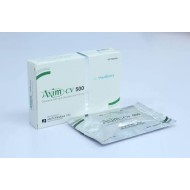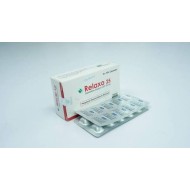
- Stock: Out Of Stock
- Brand: Beximco Pharmaceutical
- Product ID: Amlodipine + Atenolol
🔒 100% Secure Payment | bKash | Nagad | SSLCommerz | COD
⭐ Become a FREE Member: 7% Extra Savings • Free Delivery • Refill Reminders • Priority Support
This Item is for pre order
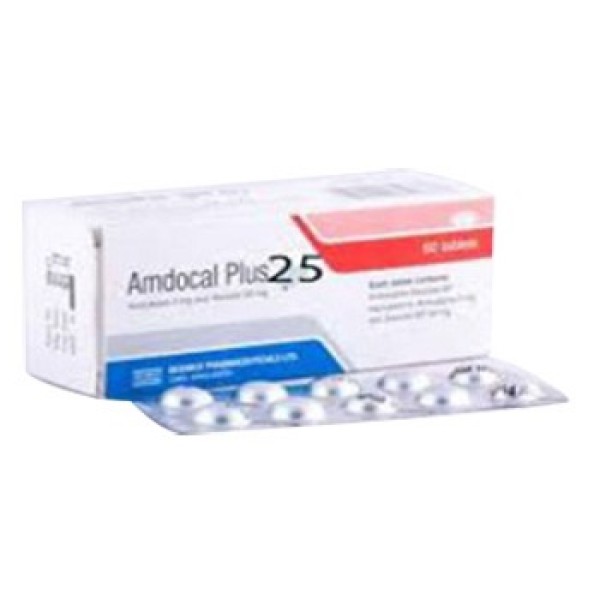
Amdocal PLUS 25 Tablet — Amlodipine 5mg + Atenolol 25mg | Beximco Pharmaceuticals
| Generic Names | Amlodipine Besilate 5 mg + Atenolol 25 mg |
| Dosage Form | Film-Coated Tablet |
| Manufacturer | Beximco Pharmaceuticals Ltd. |
| Therapeutic Class | Fixed-Dose Combination Antihypertensive (CCB + Beta-Blocker) |
| Pack Size | 30 Tablets per Box |
| Availability | In Stock — Available Online |
Overview
Amdocal PLUS 25 Tablet is a fixed-dose combination (FDC) antihypertensive manufactured by Beximco Pharmaceuticals Ltd. Each tablet contains two complementary active ingredients: Amlodipine Besilate 5 mg (a dihydropyridine calcium channel blocker) and Atenolol 25 mg (a cardioselective beta-1 adrenergic blocker). By combining two different mechanisms of action in a single tablet, Amdocal PLUS 25 offers superior blood pressure control and improved patient adherence compared to taking each drug separately. It is particularly useful in patients with hypertension accompanied by angina or tachycardia.
Indications
- Hypertension — when monotherapy with a single agent is insufficient for BP control
- Hypertension + Angina — both components have antianginal properties, making this combination ideal
- Hypertension + Tachycardia — atenolol slows heart rate while amlodipine lowers peripheral resistance
- Stable Angina — dual mechanism provides enhanced anti-ischaemic effect
- Post-MI Hypertension — atenolol reduces cardiac workload after myocardial infarction
Benefits
- Dual mechanism: amlodipine reduces vascular resistance; atenolol reduces heart rate and cardiac output
- Better blood pressure control than either agent alone in many patients
- Single once-daily tablet improves adherence versus two separate tablets
- Amlodipine offsets the vasoconstrictive side effects of atenolol
- Atenolol reduces the reflex tachycardia that can occur with amlodipine alone
- Manufactured under WHO-GMP standards by Beximco Pharmaceuticals
Pharmacology
Amlodipine (5 mg): Long-acting dihydropyridine calcium channel blocker; selectively inhibits L-type calcium channels in vascular smooth muscle, causing arteriolar vasodilation, reducing peripheral vascular resistance and blood pressure. Half-life: 35–50 hours.
Atenolol (25 mg): Cardioselective beta-1 adrenergic blocker; reduces heart rate, cardiac output, and myocardial oxygen demand. Also reduces renin secretion from the kidney, contributing to antihypertensive effect. Half-life: 6–9 hours. Atenolol is hydrophilic and largely renally eliminated.
The combination produces complementary antihypertensive effects through two distinct mechanisms while the side effect profiles partially offset each other (amlodipine-induced tachycardia is attenuated by atenolol; atenolol-induced peripheral vasoconstriction is countered by amlodipine).
Dosage & Administration
| Indication | Dose | Notes |
|---|---|---|
| Hypertension / Angina | 1 tablet once daily | Take at the same time each day |
| Elderly / Renal Impairment | As directed by physician | Atenolol dose may need reduction in renal impairment |
Administration: May be taken with or without food. Never discontinue atenolol abruptly — this can trigger rebound angina or MI. Taper under physician supervision.
Use in Special Populations
- Diabetic Patients: Use with caution. Atenolol can mask symptoms of hypoglycaemia (sweating remains but tachycardia is blunted). Monitor blood glucose closely. Amlodipine component is glucose-neutral.
- Elderly: Start at lowest effective dose; increased risk of falls due to hypotension and bradycardia.
- Renal Impairment: Atenolol is renally excreted — dose reduction or frequency adjustment needed in moderate-to-severe CKD.
- Hepatic Impairment: Amlodipine half-life prolonged; use with caution.
- Pregnancy: Atenolol is Category D (associated with intrauterine growth restriction). Avoid in pregnancy unless no alternative exists.
- Lactation: Both drugs may be excreted in breast milk. Avoid if breastfeeding.
Contraindications
- Bradycardia (heart rate <50 bpm) or sick sinus syndrome
- Second- or third-degree AV block (without pacemaker)
- Severe hypotension (systolic BP <90 mmHg)
- Cardiogenic shock
- Decompensated heart failure
- Severe reactive airway disease (asthma, COPD) — atenolol is cardioselective but not entirely safe in severe bronchoconstriction
- Hypersensitivity to amlodipine, atenolol, or any excipient
Warnings & Precautions
- Never stop abruptly: Sudden withdrawal of atenolol can precipitate rebound angina, myocardial infarction, or severe hypertension. Always taper the dose under physician guidance.
- Hypoglycaemia Masking: Atenolol masks tachycardia in hypoglycaemic episodes — increased vigilance for glucose monitoring required in diabetic patients.
- Respiratory: Avoid in patients with significant obstructive airway disease.
- Peripheral Vascular Disease: Beta-blockers may worsen peripheral arterial insufficiency.
- Ankle Oedema: From the amlodipine component; benign but may require monitoring.
Drug Interactions
| Drug | Interaction & Management |
|---|---|
| Verapamil / Diltiazem | Combined with atenolol: risk of severe bradycardia, AV block. Avoid. |
| Digoxin | Additive AV nodal depression; monitor heart rate and digoxin levels. |
| Clonidine | Rebound hypertension risk on clonidine withdrawal if beta-blocker present; taper clonidine first. |
| NSAIDs | May reduce antihypertensive effect of both components. |
| Insulin / Oral Antidiabetics | Atenolol masks hypoglycaemia tachycardia; monitor glucose carefully. |
| CYP3A4 Inhibitors | May increase amlodipine exposure; monitor for hypotension. |
Side Effects
Common (≥1%): Peripheral oedema, fatigue, bradycardia, dizziness, headache, flushing, cold extremities.
Uncommon (<1%): Nausea, insomnia, nightmares, bronchospasm (in susceptible patients), depression.
Rare (<0.1%): AV block, severe hypotension, Raynaud's phenomenon, gingival hyperplasia.
Pregnancy & Lactation
Pregnancy: Atenolol is Category D — associated with fetal growth restriction and neonatal bradycardia. Avoid unless clearly necessary.
Lactation: Both components may be excreted in breast milk. Breastfeeding is not recommended.
Storage Conditions
- Store below 30°C in a cool, dry place
- Protect from moisture and direct sunlight
- Keep in the original blister pack until use
- Keep out of reach and sight of children
Frequently Asked Questions (FAQ)
Q1: What is Amdocal PLUS 25 used for?
Amdocal PLUS 25 is a fixed-dose combination of amlodipine (5 mg) and atenolol (25 mg). It is used to treat hypertension (high blood pressure) and angina (chest pain), particularly when a single antihypertensive medicine is not enough to control blood pressure, or when the patient also has a fast heart rate (tachycardia).
Q2: Can diabetic patients take Amdocal PLUS 25?
Diabetic patients should use Amdocal PLUS 25 with caution. The atenolol component can mask the heart-racing sensation (tachycardia) that normally warns you of low blood sugar (hypoglycaemia). This makes hypoglycaemia harder to detect. Patients with diabetes must monitor their blood glucose more frequently. Discuss with your physician whether this combination or a different antihypertensive is more appropriate for you.
Q3: Can I stop taking Amdocal PLUS 25 if I feel fine?
No — never stop Amdocal PLUS 25 abruptly. Sudden discontinuation of the atenolol component can cause rebound angina, dangerous heart rhythms, or a sharp rise in blood pressure. If you wish to stop, your physician will guide you through a gradual dose reduction.
Q4: Is Amdocal PLUS 25 safe for asthma patients?
Atenolol (in Amdocal PLUS) can trigger or worsen bronchospasm in patients with asthma or COPD. Although atenolol is cardioselective (preferentially targets the heart), it is not completely safe in patients with significant airway disease. An alternative antihypertensive without a beta-blocker is usually preferred. Consult your physician.
Q5: What is the difference between Amdocal PLUS 25 and Amdocal PLUS 50?
Both contain amlodipine 5 mg, but Amdocal PLUS 25 has atenolol 25 mg while Amdocal PLUS 50 has atenolol 50 mg. Amdocal PLUS 50 is used when greater heart rate control or additional blood pressure reduction from atenolol is required.
Q6: Is Amdocal PLUS 25 a prescription medicine?
Yes, it is a prescription-only (Rx) medicine. A valid prescription from a registered physician is required. You can upload your prescription when ordering from DiabetesStore.com.bd.
Medical Disclaimer: This information is for educational purposes only and does not substitute for professional medical advice. Always consult a registered physician or licensed pharmacist before starting, changing, or stopping any medication. DiabetesStore.com.bd is not liable for outcomes arising from use of this information.