
- Stock: Out Of Stock
- Brand: ACI Pharmaceuticals
- Product ID: Metronidazole
🔒 100% Secure Payment | bKash | Nagad | SSLCommerz | COD
⭐ Become a FREE Member: 7% Extra Savings • Free Delivery • Refill Reminders • Priority Support
This Item is for pre order
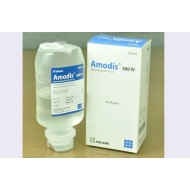
Amotrex IV Infusion 500 mg/100 ml (Metronidazole) – ACI Limited
| Brand Name | Amotrex IV Infusion |
|---|---|
| Generic Name | Metronidazole 500 mg/100 ml (0.5% w/v) |
| Strength | 500 mg per 100 ml (5 mg/ml) |
| Dosage Form | Intravenous Infusion (ready-to-use) |
| Manufacturer | ACI Limited, Bangladesh |
| Drug Class | Nitroimidazole Antibiotic / Antiprotozoal (IV) |
| Pack Size | 100 ml Bottle/Bag |
| Prescription Required | Yes (Rx) — Hospital / Clinical Use |
| Administration | Intravenous infusion over 20–60 minutes |
| Storage | Store below 25°C, protect from light. Do not freeze. |
1. About Amotrex IV Infusion (Metronidazole 500 mg/100 ml)
Amotrex IV Infusion contains Metronidazole 500 mg in 100 ml ready-to-use intravenous solution (0.5% w/v), manufactured by ACI Limited, Bangladesh. This is the parenteral formulation of the essential nitroimidazole antibiotic-antiprotozoal, indicated for patients who require intravenous therapy — primarily hospitalised patients with serious anaerobic infections, those unable to tolerate oral medication, or those requiring pre- and peri-operative surgical prophylaxis.
Intravenous metronidazole achieves immediate therapeutic plasma concentrations — essential in critical care situations including septicaemia, peritonitis, brain abscess, and serious polymicrobial infections including diabetic foot infections with anaerobic involvement. ACI Limited's ready-to-use 100 ml bag eliminates the preparation steps required with concentrated vials, reducing preparation errors and saving time in clinical settings.
2. Mechanism of Action
Intravenous metronidazole has the same mechanism as oral formulations — the route change only affects how the drug reaches the target:
- Prodrug activation: Inside anaerobic bacteria and protozoa, low-redox intracellular proteins (ferredoxin, PFOR) reduce metronidazole's nitro group to generate reactive nitroso radical intermediates
- DNA destruction: These intermediates cause irreversible double-strand DNA breaks and complete helix disruption — bactericidal and protozoicidal within minutes of reaching susceptible organisms
- IV advantage: Immediate 100% bioavailability — no absorption step. Rapid attainment of MIC (minimum inhibitory concentration) against target organisms — critical for life-threatening anaerobic infections where delayed onset could be fatal
- Excellent tissue penetration: IV metronidazole achieves high concentrations in abscess cavities, peritoneal fluid, CSF, bone, and bile — achieving therapeutic levels at all sites of anaerobic infection
3. Indications
Amotrex IV Infusion is indicated for severe or systemic infections requiring intravenous therapy:
- Serious Anaerobic Bacterial Infections requiring IV therapy:
- Intra-abdominal sepsis, peritonitis — usually in combination with a cephalosporin or fluoroquinolone
- Septicaemia from anaerobic source
- Brain abscess with anaerobic component
- Lung abscess, empyema
- Pelvic inflammatory disease, gynaecological sepsis
- Clostridial soft tissue infection, gas gangrene
- Diabetic Foot Infection — IV phase: Moderate-to-severe polymicrobial diabetic foot infection requiring hospitalisation and IV combination antibiotic therapy; metronidazole covers anaerobic organisms while partner antibiotics cover aerobic gram-negatives
- Surgical Prophylaxis: Pre- and peri-operative prophylaxis for colorectal, appendiceal, gynaecological, and other operations with risk of anaerobic contamination — one of the most important uses
- Patients unable to take oral medication: Step-up therapy when oral route is unavailable (post-operative ileus, vomiting, altered consciousness)
- Amoebic Liver Abscess — severe cases: IV metronidazole when patient is too unwell for oral administration
4. Dosage and Administration
Standard adult dosing:
- Anaerobic infections: 500 mg (one bottle/100 ml) every 8 hours (3 times daily)
- Surgical prophylaxis: 500 mg IV infusion 30–60 minutes before surgery, then 500 mg every 8 hours for up to 24 hours post-operatively (may continue orally)
- Maximum daily dose: 4 g/day (rarely required; standard is 1.5 g/day in 3 divided doses)
Paediatric dosing (IV):
- 7.5 mg/kg every 8 hours — administer as slow IV infusion over 20–60 minutes
- Maximum: 400 mg per dose for children
Renal impairment: No dose adjustment needed for mild-moderate renal impairment. In severe renal impairment, metabolites accumulate — clinical monitoring advised; dose reduction considered with prolonged courses.
Hepatic impairment: Reduce dose by one-third to one-half in severe hepatic impairment.
Administration technique (infusion):
- Inspect the solution — should be clear. Do not use if turbid, discoloured, or shows particulates.
- Administer by slow IV infusion over 20–60 minutes
- Infuse at a rate not exceeding 5 mg/min (100 ml over minimum 20 minutes)
- Compatible with standard IV giving sets — administer through a separate IV line or flush well before/after other medications
- Ready-to-use — no dilution required (already 5 mg/ml = 0.5% solution)
- Transition to oral therapy (Amotrex tablets or suspension) as soon as clinically appropriate to reduce IV-associated complications
5. Contraindications
- Known hypersensitivity to metronidazole or other nitroimidazoles
- First trimester of pregnancy — avoid unless life-threatening indication
- Concurrent use of disulfiram within 2 weeks — risk of acute psychosis
- Alcohol ingestion — IV metronidazole causes the same disulfiram-like reaction with any alcohol
6. Warnings and Precautions
IV-specific precautions:
- Administer as a slow infusion only — never as rapid IV bolus injection. Rapid administration risks cardiovascular depression.
- Inspect for particulates and discolouration before use. Discard if seal is broken or solution is not clear.
- Single use only — discard unused portion immediately after infusion
- Do not use with sodium bicarbonate (incompatible) or in highly alkaline infusion solutions
- Protect infusion from direct light during administration (if extended exposure expected)
CNS toxicity: IV metronidazole at high doses may cause encephalopathy, cerebellar toxicity (ataxia, dysarthria, nystagmus), and seizures — particularly in patients with pre-existing neurological disease. Monitor neurological status in prolonged IV courses.
Alcohol interaction: Patients receiving IV metronidazole should not receive alcohol-containing IV preparations or medications. The interaction occurs via the same mechanism regardless of the route of metronidazole administration.
Diabetic patients: IV metronidazole is commonly used in diabetic foot infection — the most frequent indication for hospital admission in diabetic patients in Bangladesh. Monitor for peripheral neuropathy symptoms (pre-existing diabetic neuropathy complicates assessment — baseline neurological evaluation is recommended). IV glucose infusions (dextrose) are compatible with metronidazole infusion and do not affect its activity.
Pregnancy: Use IV metronidazole in pregnancy only when clearly indicated for life-threatening infections. In the second and third trimesters, benefits generally outweigh risks for serious infections.
7. Side Effects
Common (IV route):
- Nausea, vomiting (less common via IV than oral)
- Metallic taste
- Headache, dizziness
- Phlebitis or local irritation at infusion site — rotate sites, ensure adequate flow
- Dark/brown urine (harmless)
Less common:
- Peripheral neuropathy (prolonged courses)
- Transient leukopenia
Rare/Serious:
- Seizures, encephalopathy — stop infusion, seek medical review
- Cerebellar toxicity (high doses)
- Anaphylaxis
8. Drug Interactions (IV)
- Warfarin: Significantly increases INR — reduce warfarin dose, monitor closely. Common in hospitalised patients on prophylactic anticoagulation.
- Alcohol-containing IV preparations: Disulfiram-like reaction risk — avoid co-infusion of alcohol-containing solutions
- Phenytoin IV: Increased phenytoin levels and toxicity; monitor levels
- IV cyclosporin: Possible increase in cyclosporin blood levels
- 5-Fluorouracil (IV): Metronidazole inhibits 5-FU breakdown — increased 5-FU toxicity; avoid combination in oncology patients if possible
- Vecuronium and other neuromuscular blockers: Possible potentiation reported — monitor neuromuscular blockade in anaesthesia
9. Pharmacokinetics (IV)
Bioavailability: 100% via IV route — immediate peak plasma concentration without absorption variability.
Distribution: Rapid distribution to all tissues including CNS, peritoneal fluid, bile, and abscess cavities within minutes. Low protein binding (~20%) ensures high free-drug penetration. Vd ~0.6–0.7 L/kg.
Metabolism: Hepatic — active hydroxy metabolite and inactive glucuronide conjugates. Half-life ~6–9 hours in adults with normal hepatic function.
Elimination: Primarily renal (60–80% of dose as metabolites). Dialysable — supplemental dosing may be required after haemodialysis.
IV vs oral: Systemic exposure from 500 mg IV is equivalent to a 400–500 mg oral dose (given ~80% oral bioavailability). The IV route is preferred when oral absorption is unreliable, not when systemic concentrations need to be higher — IV does not provide substantially greater tissue concentrations than oral in most infections.
10. IV Metronidazole in Diabetic Foot Infection
Diabetic foot infections with moderate-to-severe presentations frequently require hospitalisation and IV antibiotic combination therapy. Metronidazole IV plays a key role in the anaerobic coverage component of standard regimens used in Bangladesh:
- Typical IV combination: Metronidazole 500 mg IV × 3/day + Ceftriaxone 1–2 g IV × 1–2/day (or ciprofloxacin 400 mg IV × 2/day)
- Covers: anaerobes (metronidazole), streptococci, gram-negative rods (cephalosporin/fluoroquinolone)
- Duration of IV therapy: Continue IV until patient is clinically improving, afebrile, and able to tolerate oral medication — then step down to Amotrex 400 mg tablets
- Wound cultures guide targeted therapy once results available
- Poor glycaemic control in hospitalised diabetic patients impairs response to antibiotic therapy — aggressive IV insulin infusion to maintain glucose 6–10 mmol/L is a cornerstone of diabetic foot infection management alongside antibiotics
11. Compatibility and Stability (IV)
Compatible IV solutions: Sodium chloride 0.9%, Glucose 5%, Glucose 10%, Ringer's lactate. Ready-to-use solution in 100 ml — no dilution needed.
Incompatible: Sodium bicarbonate solutions (alkaline conditions degrade metronidazole). Do not co-infuse with highly alkaline medications in the same line without flushing.
Stability after opening: Single-use only — use immediately after opening. Discard unused portion.
Light sensitivity: Slight degradation may occur with prolonged UV exposure. Protect from direct light during prolonged infusion.
12. Storage
- Store below 25°C
- Do not freeze — freezing may cause precipitation
- Protect from direct sunlight
- Inspect before use — discard if seal is broken, solution is not clear, or bottle shows visible damage
- Single use only — discard unused portion immediately after infusion
- Do not use after expiry date on the label
Frequently Asked Questions (FAQ)
Q1: When is Amotrex IV (Metronidazole IV) used instead of tablets?
Amotrex IV Infusion is used when the intravenous route is necessary: (1) Patients unable to take oral medications — vomiting, post-operative ileus, altered consciousness, or NPO (nil per oral) status; (2) Serious systemic infections requiring immediate therapeutic levels — IV delivers 100% bioavailability instantly, without waiting for gastrointestinal absorption; (3) Surgical prophylaxis — IV administration in the operating theatre before anaerobic contamination occurs during colorectal or gynaecological surgery; (4) Severe diabetic foot infections requiring hospitalisation with IV combination antibiotics. Once the patient can tolerate oral medication, switching to Amotrex tablets provides equivalent blood levels at lower cost with fewer IV complications.
Q2: How should Amotrex IV be administered?
Amotrex IV 500 mg/100 ml is a ready-to-use solution — no dilution needed. It must be given as a slow intravenous infusion over 20–60 minutes (never as a rapid IV push). The standard adult dose is one bottle (500 mg) every 8 hours (3 times daily). Inspect the solution before use — it should be clear and colourless to pale yellow. Administer through a patent IV cannula, preferably via a dedicated IV line or after flushing the line. Rotate infusion sites to minimise phlebitis. Discard any unused portion of the opened bottle immediately.
Q3: Can Amotrex IV be given with other IV antibiotics?
Yes — IV metronidazole is frequently used in combination with other IV antibiotics. It is routinely combined with: ceftriaxone or cefotaxime (to cover streptococci and gram-negative rods), gentamicin (gram-negative cover), or ciprofloxacin (gram-negative/atypical coverage) — with metronidazole providing the anaerobic coverage. Do not mix in the same infusion bag. Administer through the same IV line only after flushing well between different infusions. Avoid co-administration with sodium bicarbonate in the same line (incompatible).
Q4: How does IV Metronidazole help in diabetic foot infections?
Diabetic foot infections are often polymicrobial — containing both aerobic bacteria (Staphylococcus, Streptococcus, gram-negative rods) and anaerobic bacteria (Bacteroides, Clostridium, Peptostreptococcus). Anaerobes thrive in the ischaemic, necrotic tissue common in diabetic feet. Metronidazole IV specifically kills these anaerobic organisms that are resistant to most cephalosporins and fluoroquinolones. Standard hospital protocol for severe diabetic foot infections combines IV metronidazole (anaerobic cover) with a cephalosporin or fluoroquinolone (aerobic cover), achieving broad polymicrobial coverage. Simultaneously optimising blood glucose with insulin is essential — hyperglycaemia impairs the immune response and antibiotic efficacy.