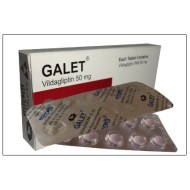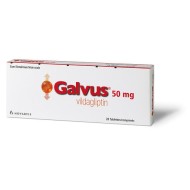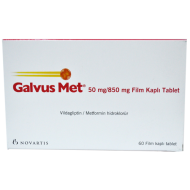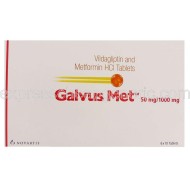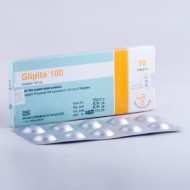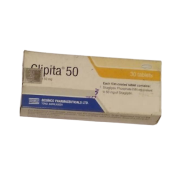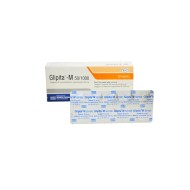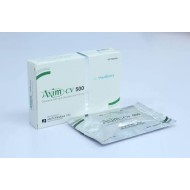
- Stock: Out Of Stock
- Brand: ACI Pharmaceuticals
- Product ID: Vildagliptin
🔒 100% Secure Payment | bKash | Nagad | SSLCommerz | COD
⭐ Become a FREE Member: 7% Extra Savings • Free Delivery • Refill Reminders • Priority Support
This Item is for pre order
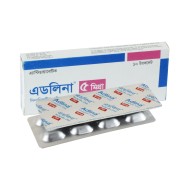
Aptin 50 mg Tablet (Vildagliptin) – ACI Limited
| Brand Name | Aptin 50 mg Tablet |
|---|---|
| Generic Name | Vildagliptin 50 mg |
| Strength | 50 mg |
| Dosage Form | Tablet |
| Manufacturer | ACI Limited, Bangladesh |
| Drug Class | DPP-4 Inhibitor (Dipeptidyl Peptidase-4 Inhibitor) — Oral Antidiabetic |
| Pack Size | 14 Tablets per Strip |
| Prescription Required | Yes (Rx) |
| Storage | Store below 30°C in a cool, dry place. Protect from moisture. |
1. About Aptin 50 mg (Vildagliptin)
Aptin 50 mg Tablet contains Vildagliptin 50 mg, a DPP-4 (Dipeptidyl Peptidase-4) inhibitor for the management of Type 2 Diabetes Mellitus (T2DM), manufactured by ACI Limited, Bangladesh. Vildagliptin is an incretin enhancer — it works by increasing the activity of GLP-1 and GIP hormones that naturally lower blood glucose after meals, resulting in glucose-dependent insulin secretion and reduced glucagon levels without causing hypoglycaemia at standard doses.
Aptin 50 mg is used as monotherapy when metformin is contraindicated or not tolerated, and as add-on therapy to metformin, sulphonylureas, thiazolidinediones, or insulin when glycaemic targets are not met on existing therapy. It is weight-neutral and has low hypoglycaemia risk — making it particularly well-suited for elderly diabetic patients and those with renal impairment.
2. Mechanism of Action
Vildagliptin selectively and reversibly inhibits the DPP-4 enzyme that rapidly degrades the incretin hormones GLP-1 (glucagon-like peptide-1) and GIP (glucose-dependent insulinotropic polypeptide). By inhibiting DPP-4:
- Active GLP-1/GIP levels increase 2–3 fold post-meal
- GLP-1 stimulates pancreatic beta cells to secrete insulin in a glucose-dependent manner — only when blood glucose is elevated, preventing hypoglycaemia
- GLP-1 suppresses glucagon from pancreatic alpha cells, reducing hepatic glucose output
- Gastric emptying is modestly delayed, blunting post-meal glucose spikes
- Pancreatic beta cell preservation: Evidence suggests DPP-4 inhibitors may improve beta cell function and mass over time
3. Indications
- Type 2 Diabetes Mellitus (T2DM): Blood glucose management in adults
- Monotherapy: When metformin is contraindicated or not tolerated
- Dual therapy add-on: Combined with metformin, sulphonylurea, thiazolidinedione, or insulin
- Elderly patients: Low hypoglycaemia risk makes it preferred in older diabetics
- Patients with renal impairment: Aptin 50 mg once daily is approved for use in moderate-to-severe CKD (unlike some other antidiabetics)
4. Dosage and Administration
Monotherapy or add-on to metformin/TZD: 50 mg twice daily (morning and evening), OR 100 mg once daily.
Add-on to sulphonylurea or insulin: 50 mg once daily (morning) — lower dose to reduce hypoglycaemia risk from the sulphonylurea/insulin component.
Renal impairment: 50 mg once daily for CrCl <50 ml/min (moderate-severe CKD) — no dose adjustment needed for mild renal impairment.
Hepatic impairment: Contraindicated if ALT/AST >3× ULN. Monitor LFTs.
May be taken with or without food. Swallow with water.
5. Contraindications
- Type 1 diabetes or diabetic ketoacidosis
- Hypersensitivity to vildagliptin or excipients
- Severe hepatic impairment (ALT or AST >3× ULN)
- Pregnancy and lactation (avoid — limited data)
6. Warnings and Precautions
Hepatotoxicity: Rare cases of hepatic dysfunction including hepatitis reported. Check liver enzymes before starting and at 3-monthly intervals for the first year, then periodically. Discontinue if ALT/AST >3× ULN.
Pancreatitis: Rare association with DPP-4 inhibitors and acute pancreatitis. Discontinue if pancreatitis suspected.
Heart failure: Some DPP-4 inhibitors (saxagliptin, alogliptin) have shown increased HF hospitalisation. Evidence with vildagliptin is reassuring but use with caution in patients with heart failure.
Renal use: Reduce to 50 mg once daily in moderate-severe CKD — ensure dose adjustment is made for diabetic nephropathy patients.
Nasopharyngitis/URTI: Slightly increased incidence of upper respiratory tract infections vs. placebo. Monitor.
7. Side Effects
Common: Nasopharyngitis, headache, dizziness, peripheral oedema (when added to TZD).
Uncommon: Hypoglycaemia (when combined with sulphonylurea or insulin), constipation, arthralgia, elevated liver enzymes.
Rare: Hepatitis, pancreatitis, bullous pemphigoid (skin blistering), angioedema (rare, especially if also on ACE inhibitor).
8. Drug Interactions
- Sulphonylureas/Insulin: Increased hypoglycaemia risk — dose reduction of SU/insulin may be needed
- ACE inhibitors: Possible increased angioedema risk (both elevate bradykinin/substance P). Monitor.
- No significant interaction with metformin, thiazolidinediones, or most common cardiovascular drugs
9. Pharmacokinetics
Oral bioavailability ~85%. Tmax ~1.75 hours. Protein binding ~9%. Hepatic hydrolysis to inactive metabolites. Renal elimination of parent compound ~23%. t½ ~3 hours (parent); pharmacodynamic DPP-4 inhibition lasts 12–24 hours enabling once or twice daily dosing.
10. DPP-4 Inhibitors in Bangladesh T2DM Management
DPP-4 inhibitors (gliptins) represent one of the fastest-growing oral antidiabetic classes in Bangladesh, preferred for their excellent tolerability, weight neutrality, and low hypoglycaemia risk — critical advantages for elderly, renal-impaired, and professionally active patients. Vildagliptin is distinguished among gliptins by its approved use in moderate-to-severe CKD at 50 mg once daily — a significant advantage given the high prevalence of diabetic nephropathy in Bangladesh. Head-to-head data shows vildagliptin provides HbA1c reductions of 0.5–1.1% as monotherapy and 0.7–1.4% in combination with metformin.
11. Vildagliptin in Special Populations
Elderly (age >65): Preferred oral antidiabetic due to minimal hypoglycaemia risk, weight neutrality, and simple dosing. Does not require complex titration. Well-tolerated in frail elderly. CKD patients: 50 mg once daily for CrCl <50 ml/min. Does not cause lactic acidosis (unlike metformin) and does not need to be stopped before contrast procedures (unlike metformin). Cardiovascular: Vildagliptin EXAMINE-style trials suggest cardiovascular neutrality.
12. ACI Limited Aptin Range
ACI Limited’s Aptin range covers monotherapy and combination options: Aptin 50 mg (Vildagliptin 50 mg — monotherapy or add-on), Aptin M 50+500 mg (Vildagliptin + Metformin 500 mg), and Aptin M 50+850 mg (Vildagliptin + Metformin 850 mg). The fixed-dose combinations in Aptin M simplify regimens for patients already on both drugs, improving adherence and reducing pill burden.
13. Storage
- Store below 30°C, cool and dry, protected from moisture
- Keep in original blister pack. Keep out of reach of children.
- Do not use after expiry date.
Frequently Asked Questions (FAQ)
Q1: What is Aptin 50 mg (Vildagliptin) used for?
Aptin 50 mg is used to treat Type 2 Diabetes Mellitus. It works by increasing the activity of natural blood-glucose-lowering gut hormones (GLP-1 and GIP) that stimulate insulin release after meals in a glucose-dependent manner — only when blood sugar is high — preventing hypoglycaemia. It is used alone when metformin is not suitable, or added to metformin, sulphonylureas, thiazolidinediones, or insulin when blood glucose is not adequately controlled.
Q2: Does Vildagliptin (Aptin) cause hypoglycaemia?
When used as monotherapy or combined with metformin or thiazolidinediones, the risk of hypoglycaemia with vildagliptin is very low — comparable to placebo. This is because it stimulates insulin release only when blood glucose is elevated (glucose-dependent mechanism). However, when combined with a sulphonylurea (glibenclamide, glipizide, glimepiride) or insulin, hypoglycaemia risk increases from the sulphonylurea/insulin component, and dose reduction of those agents may be needed.
Q3: Can Aptin (Vildagliptin) be used in patients with kidney disease?
Yes — this is a key advantage of vildagliptin. Aptin 50 mg once daily is approved for use in moderate-to-severe chronic kidney disease (CrCl <50 ml/min), unlike metformin which is restricted in CKD. In Bangladesh, where diabetic nephropathy is a common complication, vildagliptin at 50 mg OD is often a preferred add-on or alternative when metformin needs to be reduced or stopped due to declining eGFR.
Q4: Does Vildagliptin cause weight gain?
No — vildagliptin is weight-neutral, meaning it neither causes weight gain nor weight loss. This contrasts favourably with sulphonylureas and insulin which typically cause weight gain, and with pioglitazone which can cause significant fluid retention and weight gain. Weight neutrality makes vildagliptin a preferred addition to metformin for overweight or obese T2DM patients who are concerned about weight, or for those who have already achieved good metabolic control and do not want added weight gain from intensifying therapy.