- Stock: Out Of Stock
- Brand: ACI Pharmaceuticals
- Product ID: Vildagliptin + Metformin Hydrochloride
🔒 100% Secure Payment | bKash | Nagad | SSLCommerz | COD
⭐ Become a FREE Member: 7% Extra Savings • Free Delivery • Refill Reminders • Priority Support
This Item is for pre order
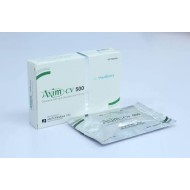
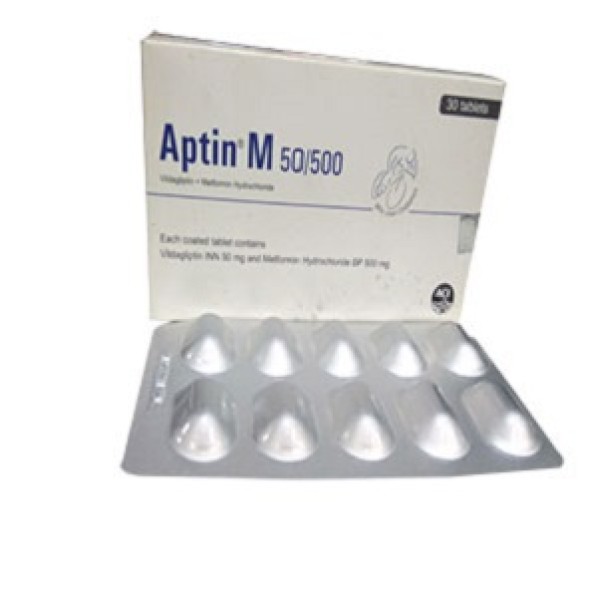
Aptin M 50 mg+500 mg Tablet (Vildagliptin + Metformin) – ACI Limited
| Brand Name | Aptin M 50 mg+500 mg Tablet |
|---|---|
| Generic Name | Vildagliptin 50 mg + Metformin Hydrochloride 500 mg |
| Strength | Vildagliptin 50 mg / Metformin 500 mg |
| Dosage Form | Film-Coated Tablet |
| Manufacturer | ACI Limited, Bangladesh |
| Drug Class | DPP-4 Inhibitor + Biguanide (Fixed-Dose Combination) — Oral Antidiabetic |
| Pack Size | 14 Tablets per Strip |
| Prescription Required | Yes (Rx) |
| Storage | Store below 30°C, cool and dry. Protect from moisture. |
1. About Aptin M 50+500 mg (Vildagliptin + Metformin)
Aptin M 50+500 mg is a fixed-dose combination (FDC) of Vildagliptin 50 mg (DPP-4 inhibitor) and Metformin Hydrochloride 500 mg (biguanide), manufactured by ACI Limited, Bangladesh. This combination addresses two complementary mechanisms of Type 2 diabetes — metformin reduces hepatic glucose production and improves insulin sensitivity, while vildagliptin enhances incretin-mediated glucose-dependent insulin secretion and suppresses glucagon. Together they produce additive glycaemic control with a low hypoglycaemia risk and a favourable weight profile.
Aptin M 50+500 mg is indicated for T2DM patients who require both metformin and a DPP-4 inhibitor — simplifying the regimen from two separate tablets to one, significantly improving adherence. It is particularly suitable as second-step therapy after metformin monotherapy fails to achieve HbA1c targets, where adding a DPP-4 inhibitor is preferred over sulphonylurea (to avoid hypoglycaemia and weight gain).
2. Mechanism of Action
Vildagliptin 50 mg (DPP-4 Inhibitor): Inhibits DPP-4 enzyme → increases active GLP-1 and GIP levels → glucose-dependent insulin secretion → glucagon suppression → reduced postprandial and fasting hyperglycaemia without hypoglycaemia.
Metformin 500 mg (Biguanide): Activates AMP-kinase in the liver → inhibits hepatic gluconeogenesis and glycogenolysis (reduces fasting glucose). Improves peripheral insulin sensitivity in muscle and adipose tissue. Reduces intestinal glucose absorption. Does not stimulate insulin secretion — no intrinsic hypoglycaemia risk. Mild weight reduction effect.
The combined mechanism addresses both insulin resistance (metformin) and impaired insulin secretion/glucagon excess (vildagliptin) — the two major pathophysiological defects in T2DM.
3. Indications
- Type 2 Diabetes Mellitus inadequately controlled on metformin monotherapy
- Replacement therapy for patients already taking vildagliptin and metformin as separate tablets (simplifies to one FDC tablet)
- Second-line therapy when metformin alone is insufficient and sulphonylurea is to be avoided (hypoglycaemia risk, weight gain)
- Patients with overweight/obesity — weight-neutral vildagliptin + weight-reducing metformin combination is preferred
4. Dosage and Administration
Standard dose: One tablet of Aptin M 50+500 mg twice daily (morning and evening with meals). Maximum vildagliptin dose 100 mg/day; maximum metformin dose 2,000–2,550 mg/day.
Take with food to reduce GI side effects from metformin. Do not crush or chew if film-coated. Swallow whole with water.
Renal impairment: Metformin contraindicated in eGFR <30 ml/min. Caution and monitoring with eGFR 30–60 ml/min. Use Aptin 50 mg monotherapy (without metformin) in significant CKD.
5. Contraindications
- Type 1 diabetes; Diabetic ketoacidosis
- Renal impairment: eGFR <30 ml/min (metformin component)
- Severe hepatic impairment (metformin + vildagliptin both contraindicated)
- Acute/chronic conditions causing dehydration, hypoxia, or haemodynamic instability
- Iodinated contrast medium planned (withhold metformin 48h before and after)
- Excessive alcohol use
- Pregnancy and lactation
6. Warnings and Precautions
Lactic acidosis (metformin): Rare but serious. Risk increases with renal impairment, hepatic disease, dehydration, contrast procedures, and excessive alcohol. Ensure adequate hydration. Stop before surgery and iodinated contrast.
Hepatotoxicity (vildagliptin): Rare hepatic dysfunction reported. Monitor LFTs before and every 3 months for the first year, then periodically. Discontinue if ALT/AST >3× ULN.
Pancreatitis: Rare association with DPP-4 inhibitors. Discontinue if pancreatitis suspected.
Metformin and contrast: Withhold Aptin M for 48 hours before and after iodinated contrast administration; restart after confirming normal renal function.
Vitamin B12 deficiency: Long-term metformin use reduces B12 absorption. Monitor B12 levels, especially in patients with anaemia or neuropathy — particularly important in diabetic patients already at risk of peripheral neuropathy.
7. Side Effects
From Metformin (common): Nausea, vomiting, diarrhoea, abdominal discomfort — usually improve after 2–4 weeks. Metallic taste. Vitamin B12 deficiency (long-term).
From Vildagliptin (common): Nasopharyngitis, headache, dizziness.
Uncommon: Hypoglycaemia (when also on SU/insulin), peripheral oedema, elevated liver enzymes.
Rare: Lactic acidosis (metformin), hepatitis, pancreatitis, bullous pemphigoid.
8. Drug Interactions
- Sulphonylureas/Insulin: Hypoglycaemia risk — consider dose reduction
- Iodinated contrast: Withhold metformin 48h before/after
- Alcohol: Increased lactic acidosis risk with metformin
- ACE inhibitors: Possible angioedema risk (vildagliptin + ACE inhibitor) — monitor
- Cationic drugs (cimetidine, digoxin): Reduce metformin renal clearance — monitor for toxicity
9. Pharmacokinetics
Vildagliptin: Bioavailability ~85%, Tmax ~1.75h, t½ ~3h, hepatic hydrolysis. Metformin: Bioavailability 50–60% (food-dependent), Tmax ~2.5h, no hepatic metabolism, renal elimination unchanged, t½ ~6.5h. The FDC tablet provides comparable bioavailability to concurrent administration of individual tablets.
10. Evidence: Vildagliptin + Metformin Combination
Multiple RCTs confirm that adding vildagliptin to metformin reduces HbA1c by an additional 0.7–1.1% compared to metformin alone, with no hypoglycaemia risk and weight neutrality. A 2-year study showed the combination maintained glycaemic control better than metformin + placebo. Fixed-dose combinations (FDCs) like Aptin M improve adherence by 20–30% compared to two separate tablets — a clinically significant benefit in chronic disease management.
11. Aptin M in Bangladeshi Diabetes Practice
The combination of metformin and a DPP-4 inhibitor is endorsed by IDF, ADA, and local BADAS guidelines as a preferred second-line regimen when metformin monotherapy is insufficient — especially in overweight patients or those at high hypoglycaemia risk (elderly, occupational drivers, those with variable meal patterns). Aptin M 50+500 mg is the starter combination dose — appropriate for patients new to vildagliptin/metformin combination, or those requiring dose titration from lower metformin levels. The 500 mg metformin dose provides lower GI side effects compared to 850 mg during initiation.
12. ACI Limited Aptin Range
ACI Limited offers a complete Aptin vildagliptin range: Aptin 50 mg (monotherapy), Aptin M 50+500 mg (lower metformin dose — for initiation or GI-sensitive patients), and Aptin M 50+850 mg (higher metformin dose for established dual therapy). This range allows flexible initiation and step-up treatment without changing the DPP-4 inhibitor brand.
13. Storage
- Store below 30°C, cool and dry, protected from moisture
- Keep in original blister pack. Keep out of reach of children.
- Do not use after expiry date.
Frequently Asked Questions (FAQ)
Q1: What is Aptin M 50+500 mg used for?
Aptin M 50+500 mg is a fixed-dose combination used for Type 2 Diabetes management when metformin alone does not provide adequate glycaemic control. It combines vildagliptin (DPP-4 inhibitor — enhances post-meal insulin release via GLP-1) with metformin (reduces hepatic glucose production and improves insulin sensitivity). Taken twice daily with meals, it provides complementary dual-mechanism glucose control with low hypoglycaemia risk.
Q2: Why choose Aptin M over adding a sulphonylurea to metformin?
Aptin M (vildagliptin + metformin) provides comparable or better HbA1c reduction to metformin + sulphonylurea, but with key advantages: minimal hypoglycaemia risk (vildagliptin is glucose-dependent), weight-neutral effect (vs. 1–2 kg weight gain with SU), and no secondary failure over time (SU efficacy often declines as beta cell function deteriorates). For patients who drive, operate machinery, have irregular meals, or are concerned about weight gain, Aptin M is the preferred intensification option.
Q3: Does Aptin M (Metformin component) affect the kidneys?
Metformin is primarily excreted unchanged by the kidneys. In renal impairment, metformin accumulates, increasing lactic acidosis risk. Aptin M is contraindicated in eGFR <30 ml/min. Regular monitoring of renal function (eGFR) is essential — annually in stable diabetics, and more frequently in those with declining kidney function. If eGFR falls below 45 ml/min, dose review is needed; if below 30 ml/min, switch to Aptin 50 mg monotherapy (vildagliptin without metformin).
Q4: What should I do if I need a CT scan with contrast while taking Aptin M?
Withhold Aptin M for at least 48 hours before and after iodinated contrast administration (CT scans, coronary angiography, etc.). Iodinated contrast can cause acute kidney injury — if metformin continues during contrast-induced renal impairment, it accumulates and risks lactic acidosis. Resume Aptin M only after confirming renal function is unchanged (typically 48 hours post-procedure with normal creatinine). Inform your radiologist and cardiologist that you are taking metformin-containing medication.