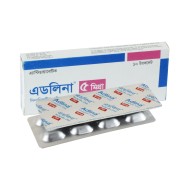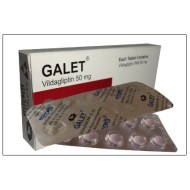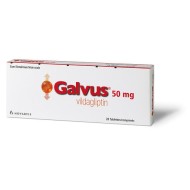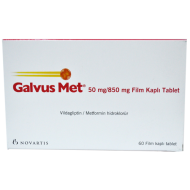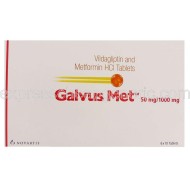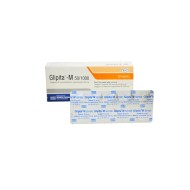
- Stock: Out Of Stock
- Brand: ACI Pharmaceuticals
- Product ID: Vildagliptin + Metformin Hydrochloride
🔒 100% Secure Payment | bKash | Nagad | SSLCommerz | COD
⭐ Become a FREE Member: 7% Extra Savings • Free Delivery • Refill Reminders • Priority Support
This Item is for pre order
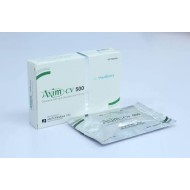
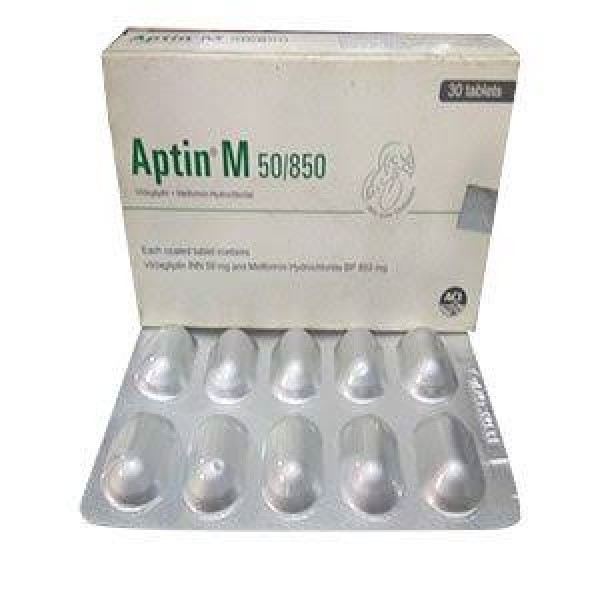
Aptin M 50 mg+850 mg Tablet (Vildagliptin + Metformin) – ACI Limited
| Brand Name | Aptin M 50 mg+850 mg Tablet |
|---|---|
| Generic Name | Vildagliptin 50 mg + Metformin Hydrochloride 850 mg |
| Strength | Vildagliptin 50 mg / Metformin 850 mg |
| Dosage Form | Film-Coated Tablet |
| Manufacturer | ACI Limited, Bangladesh |
| Drug Class | DPP-4 Inhibitor + Biguanide (Fixed-Dose Combination) — Oral Antidiabetic |
| Pack Size | 14 Tablets per Strip |
| Prescription Required | Yes (Rx) |
| Storage | Store below 30°C, cool and dry. Protect from moisture. |
1. About Aptin M 50+850 mg (Vildagliptin + Metformin 850 mg)
Aptin M 50+850 mg is a fixed-dose combination (FDC) of Vildagliptin 50 mg and Metformin Hydrochloride 850 mg, manufactured by ACI Limited, Bangladesh. It represents the higher-metformin-dose option in ACI's Aptin M range — suitable for patients who are already metformin-tolerant and require stronger glycaemic control with the addition of vildagliptin (DPP-4 inhibitor).
Metformin 850 mg twice daily (total 1,700 mg/day) provides near-maximum efficacy of metformin, while vildagliptin 50 mg twice daily (total 100 mg/day) adds incretin-mediated glucose-dependent insulin secretion and glucagon suppression. The combination targets the two primary pathophysiological defects of T2DM: insulin resistance and impaired beta cell function, producing superior HbA1c reduction compared to either agent alone.
2. Mechanism of Action
Vildagliptin 50 mg (DPP-4 Inhibitor): Reversibly inhibits DPP-4 enzyme → 2–3× increase in active GLP-1 and GIP levels → glucose-dependent insulin secretion from beta cells → suppression of glucagon from alpha cells → reduction of both postprandial and fasting hyperglycaemia. The glucose-dependent mechanism prevents hypoglycaemia — insulin release only occurs when blood glucose is elevated.
Metformin 850 mg (Biguanide): Activates hepatic AMP-kinase → suppresses gluconeogenesis and glycogenolysis (primary fasting glucose-lowering effect). Improves peripheral insulin sensitivity in skeletal muscle and adipose tissue. Reduces intestinal glucose absorption. No stimulation of insulin secretion — inherently no hypoglycaemia. At 850 mg dose, metformin provides approximately 85–90% of its maximum glycaemic effect, making it suitable as the established maintenance dose in dual therapy.
3. Indications
- Type 2 Diabetes Mellitus (T2DM) inadequately controlled on metformin 850 mg monotherapy
- Replacement/simplification therapy for patients already established on both metformin 850 mg and vildagliptin 50 mg taken as separate tablets
- Step-up from Aptin M 50+500 mg when higher metformin dose is needed for additional glycaemic control
- Patients tolerating metformin 850 mg who require DPP-4 inhibitor addition without changing metformin dose
4. Dosage and Administration
Standard dose: One tablet of Aptin M 50+850 mg twice daily (morning and evening), providing vildagliptin 100 mg/day and metformin 1,700 mg/day.
Maximum: Vildagliptin 100 mg/day (50 mg BD); Metformin up to 2,550 mg/day in divided doses. Take with or after food — reduces GI side effects from metformin. Do not crush or chew. Swallow whole with water.
Initiation strategy: To minimise GI side effects, patients new to metformin should start with Aptin M 50+500 mg and titrate up to Aptin M 50+850 mg after 2–4 weeks when GI tolerance is established.
Renal impairment: Contraindicated in eGFR <30 ml/min. Use with caution and close monitoring at eGFR 30–60 ml/min. Switch to Aptin 50 mg (vildagliptin alone) when metformin must be discontinued due to CKD progression.
5. Contraindications
- Type 1 diabetes; Diabetic ketoacidosis
- Renal impairment: eGFR <30 ml/min (metformin)
- Severe hepatic impairment (both components contraindicated)
- Acute dehydration, sepsis, or haemodynamic instability
- Iodinated contrast medium: withhold 48h before/after
- Excessive alcohol intake (lactic acidosis risk)
- Pregnancy and lactation
6. Warnings and Precautions
Lactic acidosis (metformin): Rare but potentially fatal. Risk increases with renal failure, liver disease, congestive heart failure, sepsis, dehydration, excessive alcohol, and contrast agents. Ensure patients are adequately hydrated. Stop before surgery and renal-toxic procedures.
Hepatotoxicity (vildagliptin): Check LFTs before initiation and every 3 months for first year, then periodically. Discontinue if ALT/AST >3× ULN or symptoms of hepatitis.
Contrast procedures: Withhold Aptin M 48 hours before and after iodinated contrast. Restart only after confirming normal renal function.
Vitamin B12: Long-term metformin impairs B12 absorption. Monitor B12, especially in anaemic patients or those with peripheral neuropathy (difficult to distinguish from diabetic neuropathy).
GI intolerance: At 850 mg, metformin GI side effects (nausea, diarrhoea) are more common than at 500 mg. Ensure dose titration from lower dose if patient is new to metformin. Take strictly with food.
7. Side Effects
Common (metformin): Nausea, diarrhoea, abdominal cramps, flatulence, metallic taste — especially at initiation. Take with food and start at lower dose to minimise. Vitamin B12 deficiency (long-term).
Common (vildagliptin): Nasopharyngitis, headache, dizziness.
Uncommon: Hypoglycaemia (when combined with SU or insulin), peripheral oedema, elevated liver enzymes.
Rare: Lactic acidosis (metformin — emergency), hepatitis, pancreatitis, bullous pemphigoid.
8. Drug Interactions
- Sulphonylureas/Insulin: Hypoglycaemia risk — reduce SU/insulin dose
- Iodinated contrast: Withhold 48h before/after (lactic acidosis risk)
- Alcohol: Increased lactic acidosis risk
- Cationic drugs (cimetidine, trimethoprim, vancomycin): Compete for renal tubular secretion with metformin — monitor for metformin accumulation
- ACE inhibitors: Possible angioedema risk with vildagliptin — monitor
9. Pharmacokinetics
Vildagliptin 50 mg: Bioavailability ~85%, Tmax ~1.75h, hepatic hydrolysis, renal elimination of ~23% unchanged, t½ ~3h. DPP-4 inhibition persists 12–24h enabling BD dosing. Metformin 850 mg: Bioavailability 50–60% (reduced with food), Tmax ~2.5h, no hepatic metabolism, entirely renal elimination unchanged, t½ ~6.5h. Higher dose (850mg vs 500mg) provides approximately 0.1–0.2% additional HbA1c reduction in clinical practice.
10. Aptin M 50+850 mg vs 50+500 mg: Which to Choose?
Both Aptin M formulations contain the same 50 mg vildagliptin — the difference is metformin dose. Aptin M 50+500 mg (lower metformin) is preferred for: patients new to metformin (better GI tolerability during initiation), patients with borderline renal function needing closer dose control, or when combining with another antidiabetic where total metformin dose must be limited. Aptin M 50+850 mg (higher metformin) is preferred for: patients already established on metformin 850 mg who are adding vildagliptin, or when stepping up from Aptin M 50+500 mg for better glycaemic control after GI tolerance is established. Most guidelines recommend metformin doses of 1,500–2,000 mg/day for near-maximal efficacy — Aptin M 50+850 mg BD (1,700 mg/day total) achieves this.
11. Vildagliptin + Metformin: Clinical Evidence
In multiple Phase III RCTs, adding vildagliptin 50 mg BD to metformin 1,500–2,000 mg/day produced HbA1c reductions of 0.7–1.1% more than metformin alone, with comparable or lower hypoglycaemia rates vs metformin + sulphonylurea, and no weight gain. In a NAVIGATOR-type 2-year study, the combination maintained superior glycaemic control with durable beta cell function compared to dose escalation of metformin alone. These results support Aptin M 50+850 mg as an effective, well-tolerated, and guideline-concordant intensification strategy.
12. ACI Limited Aptin Range
ACI Limited Bangladesh offers a complete vildagliptin treatment pathway: Aptin 50 mg — monotherapy or CKD patients; Aptin M 50+500 mg — initiation/lower metformin dose; Aptin M 50+850 mg — established dual therapy / higher metformin dose. This range enables personalised step-up therapy using a consistent DPP-4 inhibitor (vildagliptin), improving prescriber familiarity and patient adherence across the treatment journey.
13. Storage
- Store below 30°C, cool and dry, protected from moisture
- Keep in original blister pack. Keep out of reach of children.
- Do not use after expiry date printed on the pack.
Frequently Asked Questions (FAQ)
Q1: What is the difference between Aptin M 50+500 mg and Aptin M 50+850 mg?
Both contain the same Vildagliptin 50 mg (DPP-4 inhibitor) — the difference is the metformin dose: 500 mg vs 850 mg. Aptin M 50+500 mg is preferred when initiating metformin (lower GI side effects, easier titration) or in patients with borderline renal function needing dose control. Aptin M 50+850 mg is preferred for patients already established on and tolerating metformin 850 mg who are adding vildagliptin, or stepping up from the 500 mg combination for better glycaemic control. At 850 mg, metformin provides near-maximal efficacy — making Aptin M 50+850 mg BD (vildagliptin 100 mg + metformin 1,700 mg daily) a comprehensive dual-therapy option.
Q2: Can Aptin M 50+850 mg cause hypoglycaemia?
The risk of hypoglycaemia with Aptin M alone is very low. Neither vildagliptin (glucose-dependent mechanism) nor metformin stimulates insulin secretion independently of blood glucose. However, if Aptin M is combined with a sulphonylurea (glibenclamide, glipizide, glimepiride) or insulin, hypoglycaemia risk increases from those additional agents. In such cases, consider reducing the sulphonylurea or insulin dose, and monitor blood glucose more closely, especially when initiating or adjusting the combination.
Q3: How do I manage GI side effects from the metformin 850 mg in Aptin M?
Metformin GI side effects (nausea, diarrhoea, abdominal discomfort) are dose-dependent and most troublesome at initiation. Key strategies: always take Aptin M 50+850 mg with or after meals (not on an empty stomach); if switching from Aptin M 50+500 mg, allow 2–4 weeks of acclimatisation at the lower dose first; avoid dose escalation during periods of GI illness or dehydration. Most GI side effects significantly improve after 2–4 weeks as the body adapts. If intolerable, consider switching to extended-release metformin formulations (if available) or reducing temporarily to Aptin M 50+500 mg.
Q4: When should Aptin M 50+850 mg be stopped or the dose reduced?
Stop or dose-reduce Aptin M in: declining kidney function (eGFR <45 ml/min — review; eGFR <30 — stop metformin, switch to Aptin 50 mg monotherapy); before iodinated contrast procedures (stop 48h before, restart 48h after with confirmed normal renal function); acute illness with dehydration, vomiting, or diarrhoea; planned major surgery; if LFTs rise >3× ULN (vildagliptin component). Do not stop abruptly without medical guidance — glycaemia will worsen.