
- Stock: Out Of Stock
- Brand: Beximco Pharmaceutical
- Product ID: Ceftriaxone Sodium
Available Options
🔒 100% Secure Payment | bKash | Nagad | SSLCommerz | COD
⭐ Become a FREE Member: 7% Extra Savings • Free Delivery • Refill Reminders • Priority Support
This Item is for pre order
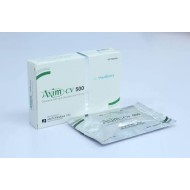
Arixon 1gm IM Injection — Ceftriaxone Sodium 1g | Beximco Pharmaceuticals
| Generic Name | Ceftriaxone Sodium 1000 mg (1g) |
| Dosage Form | Powder for Solution for Injection (IM) |
| Manufacturer | Beximco Pharmaceuticals Ltd. |
| Therapeutic Class | Third-Generation Cephalosporin Antibiotic |
| Route | Intramuscular (IM) injection — standard adult therapeutic dose |
| Availability | In Stock — Available Online |
Overview
Arixon 1gm IM is the standard adult therapeutic dose of Ceftriaxone Sodium, administered intramuscularly. Ceftriaxone 1g IM once daily is the most commonly prescribed ceftriaxone regimen in outpatient settings across Bangladesh and South Asia. With a plasma half-life of ~8 hours and excellent penetration into most body compartments — including lungs, urinary tract, biliary system, bone, and soft tissues — a single daily 1g IM injection provides 24-hour coverage against a broad spectrum of Gram-positive, Gram-negative, and some anaerobic pathogens. This formulation is used when IV hospitalisation is not required but oral antibiotics are insufficient.
Mechanism of Action
Ceftriaxone inhibits bacterial cell wall synthesis by binding to and irreversibly inactivating penicillin-binding proteins (PBPs) — enzymes critical for cross-linking the peptidoglycan layer. The result is a structurally defective cell wall that cannot withstand osmotic pressure, leading to bacterial lysis and death. Ceftriaxone is bactericidal. Its broad-spectrum activity and resistance to most beta-lactamases (except ESBLs and AmpC) make it effective against the majority of common bacterial pathogens.
Antimicrobial Spectrum
| Category | Key Organisms Covered |
|---|---|
| Gram-positive | Streptococcus pneumoniae, S. pyogenes, S. agalactiae, S. aureus (MSSA) |
| Gram-negative | Haemophilus influenzae, E. coli, Klebsiella, Proteus, Neisseria gonorrhoeae, N. meningitidis, Salmonella typhi |
| Atypical | Borrelia burgdorferi (Lyme disease) |
| NOT covered | MRSA, Enterococcus, Pseudomonas aeruginosa, ESBL-producing organisms, Listeria |
Indications
- Community-Acquired Pneumonia (CAP) — moderate severity, outpatient IM or step-down therapy
- Urinary Tract Infections — pyelonephritis, complicated UTI; 1g IM OD for outpatient management
- Typhoid / Enteric Fever — ceftriaxone highly effective against S. typhi (including fluoroquinolone-resistant strains)
- Skin & Soft Tissue Infections — cellulitis, wound infections requiring parenteral therapy
- Pelvic Inflammatory Disease (PID) — part of combination regimen
- Surgical Prophylaxis — single pre-operative dose
- Lyme Disease (early disseminated) — 14–21 day IM course
Dosage & Administration
| Indication | Dose | Frequency | Duration |
|---|---|---|---|
| CAP / Pyelonephritis (outpatient) | 1g IM | Once daily | 7–14 days |
| Typhoid Fever | 1g IM | Once daily | 10–14 days |
| Skin/Soft Tissue Infection | 1g IM | Once daily | 7–10 days |
| Surgical Prophylaxis | 1g IM | Single dose 30–60 min pre-op | Once only |
| PID (IM component) | 1g IM | Single dose | Then switch to oral |
Reconstitution (IM): Add 3.5 mL of 1% lidocaine HCl (without adrenaline) to the 1g vial — producing a 250 mg/mL solution. Administer deep IM into the gluteus maximus; maximum 1g per injection site. If bilateral IM doses are needed, use separate sites. Do NOT use lidocaine-reconstituted solution IV.
Special Note for Diabetic Patients
Diabetic patients are at disproportionately high risk for infections requiring ceftriaxone — particularly pyelonephritis, pneumonia, and complicated skin infections (diabetic foot). Ceftriaxone 1g IM OD is frequently used as outpatient parenteral therapy for diabetic foot and wound infections in Bangladesh. Blood glucose typically improves as infection resolves. Monitor glucose daily during treatment, as infection-related hyperglycaemia may require temporary insulin dose increase.
Side Effects
- Local: Injection site pain (minimised by lidocaine diluent), induration
- GI: Diarrhoea (7%), nausea, vomiting; rare C. difficile colitis
- Haematological: Eosinophilia, thrombocytosis, leucopenia (usually reversible)
- Biliary: Biliary sludge/pseudolithiasis with prolonged use (reversible on stopping)
- Hypersensitivity: Rash, urticaria, rare anaphylaxis (cross-react with penicillins)
Storage
- Store below 25°C, protected from light. Reconstituted solution (with lidocaine): use within 6 hours at room temperature. With sterile water: 24 hours at room temperature, 3 days refrigerated. Never freeze.
FAQ
Q1: Why is ceftriaxone prescribed IM instead of as an oral antibiotic?
Ceftriaxone has no oral formulation — it is only available as injection. For moderate-to-severe infections requiring a 3rd-generation cephalosporin where the patient can be managed as an outpatient, daily IM injection is the practical alternative to IV hospitalisation. Many diabetic patients with complicated UTI or skin infections receive daily ceftriaxone IM at a local clinic.
Q2: Can ceftriaxone treat typhoid fever?
Yes — ceftriaxone (including IM formulations) is highly effective for typhoid fever caused by Salmonella typhi, including the MDR and fluoroquinolone-resistant strains that are increasingly common in Bangladesh. The standard regimen is 1g IM (or IV) once daily for 10–14 days.
Q3: I have a diabetic foot ulcer — is ceftriaxone appropriate?
Ceftriaxone covers many common diabetic foot infection pathogens (Streptococci, E. coli, Klebsiella, Proteus), but diabetic foot infections are often polymicrobial including anaerobes and Staphylococci. Your physician may combine ceftriaxone with metronidazole (for anaerobes) and/or cloxacillin (for MSSA). Wound culture and sensitivity testing is essential for guiding antibiotic selection.
Medical Disclaimer: For professional use only. Injectable antibiotics must be prescribed and administered by qualified healthcare professionals.