
- Stock: Out Of Stock
- Brand: ACI Pharmaceuticals
- Product ID: Cinnarizine + Dimenhydrinate
🔒 100% Secure Payment | bKash | Nagad | SSLCommerz | COD
⭐ Become a FREE Member: 7% Extra Savings • Free Delivery • Refill Reminders • Priority Support
This Item is for pre order
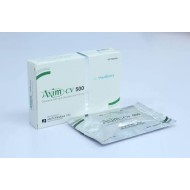
Artigo Tablet (Cinnarizine + Dimenhydrinate) – ACI Limited
| Brand Name | Artigo Tablet |
|---|---|
| Generic Name | Cinnarizine 20 mg + Dimenhydrinate 40 mg |
| Strength | Cinnarizine 20 mg / Dimenhydrinate 40 mg per tablet |
| Dosage Form | Tablet |
| Manufacturer | ACI Limited, Bangladesh |
| Drug Class | Antivertigo / Antiemetic Combination |
| Prescription Required | Yes (Rx) |
| Storage | Store below 30°C in a cool, dry place. Protect from light and moisture. |
1. About Artigo Tablet (Cinnarizine + Dimenhydrinate)
Artigo Tablet contains Cinnarizine 20 mg + Dimenhydrinate 40 mg, a fixed-dose combination antivertigo medication manufactured by ACI Limited, Bangladesh. This combination targets both the peripheral (inner ear) and central (brainstem/CTZ) components of vertigo simultaneously, providing more complete relief than either drug alone for vestibular vertigo, dizziness, and associated nausea.
Indicated for BPPV, Menière's disease, vestibular neuritis, labyrinthitis, motion sickness, and vertigo from migraine or cerebrovascular insufficiency. One of the most widely prescribed antivertigo combinations in Bangladesh with clinical evidence from RCTs demonstrating superiority over monotherapy.
2. Mechanism of Action
Cinnarizine 20 mg: Selective calcium channel blocker at vestibular hair cells and inner ear vasculature — reduces calcium-mediated overactivity of semicircular canals. Improves cochlear blood flow, reduces endolymph production (Menière's), blocks central H1 and dopamine D2 receptors.
Dimenhydrinate 40 mg: Diphenhydramine theoclate — first-generation H1 antihistamine + anticholinergic. Suppresses the CTZ, vestibular nuclei, and vomiting centre. Potent antiemetic with vestibulolytic sedation.
Combined synergy: Peripheral vestibular stabilisation (cinnarizine) + central emetic suppression (dimenhydrinate) = ~20–30% additional improvement over monotherapy per RCTs.
3. Indications
- BPPV — adjunct to Epley manoeuvre
- Menière's disease — acute attacks and long-term prophylaxis
- Vestibular neuritis / labyrinthitis
- Motion sickness prevention and treatment
- Vertigo from migraine, head trauma, or cerebrovascular insufficiency
4. Dosage and Administration
Adults: 1 tablet TDS after meals. Motion sickness: 1–2 tablets 30 min before travel, repeat Q6–8h. Elderly: 1 tablet BD. Max: 6 tablets/day. Not recommended under 12 years.
5. Contraindications
- Hypersensitivity to cinnarizine, dimenhydrinate, or diphenhydramine
- Parkinson's disease — cinnarizine D2 blockade worsens Parkinsonism
- Porphyria; QTc prolongation
6. Warnings and Precautions
Drug-induced Parkinsonism: Long-term cinnarizine causes D2 blockade — tremor, rigidity, bradykinesia (especially elderly). Withdraw if Parkinsonian symptoms develop.
Sedation: Significant drowsiness — do not drive. Alcohol worsens effect.
QTc: Dimenhydrinate prolongs QTc — avoid with other QTc-prolonging drugs.
Elderly (Beers Criteria): High anticholinergic burden — falls, urinary retention, confusion. Start 1 tablet BD.
7. Side Effects
Common: Drowsiness, dry mouth, blurred vision, constipation. Uncommon: Weight gain (long-term cinnarizine). Rare: Drug-induced Parkinsonism, QTc prolongation.
8. Drug Interactions
- CNS depressants — additive sedation
- QTc-prolonging drugs — increased arrhythmia risk
- Dopamine antagonists (metoclopramide, antipsychotics) — additive Parkinsonism risk
- Anticholinergics — additive dry mouth, urinary retention
9. Artigo vs Cinnarizine Alone
Artigo preferred over cinnarizine monotherapy when nausea is prominent, for motion sickness, or when faster relief is needed. For chronic Menière's long-term maintenance, cinnarizine alone may be preferred to reduce anticholinergic burden.
10. Storage
- Below 30°C, cool, dry, protected from light. Original packaging. Keep from children.
Frequently Asked Questions (FAQ)
Q1: What is Artigo Tablet used for?
Artigo Tablet (Cinnarizine 20 mg + Dimenhydrinate 40 mg) by ACI Limited treats vestibular vertigo and dizziness from BPPV, Menière's disease, vestibular neuritis, labyrinthitis, and motion sickness. Superior to monotherapy — cinnarizine stabilises the inner ear peripherally while dimenhydrinate suppresses the CNS vomiting centre and vestibular nuclei centrally, providing relief of both dizziness and nausea.
Q2: Can Artigo be taken long-term?
Short-term safe. Long-term (>2–3 months) risks drug-induced Parkinsonism from cinnarizine's dopamine D2 blockade — particularly in elderly. Monitor for tremor, rigidity, or slowness. Specialist review advisable for prolonged therapy. Contraindicated in existing Parkinson's disease.
Q3: Does Artigo cause drowsiness?
Yes — significant sedation from both components. Do not drive or operate machinery. Tolerance to sedation develops in 1–2 weeks while antivertigo efficacy is maintained. Taking the largest dose at bedtime minimises daytime drowsiness. Alcohol greatly worsens sedation.
Q4: Is Artigo safe for elderly patients?
Use with caution. High anticholinergic burden increases falls, confusion, urinary retention. Cinnarizine raises Parkinsonism risk in elderly. Start at 1 tablet BD. Avoid in Parkinson's disease. Beers Criteria caution for first-generation antihistamines in older adults.