- Stock: Out Of Stock
- Brand: ACI Pharmaceuticals
- Product ID: Hypromellose
🔒 100% Secure Payment | bKash | Nagad | SSLCommerz | COD
⭐ Become a FREE Member: 7% Extra Savings • Free Delivery • Refill Reminders • Priority Support
This Item is for pre order
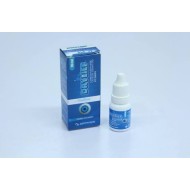
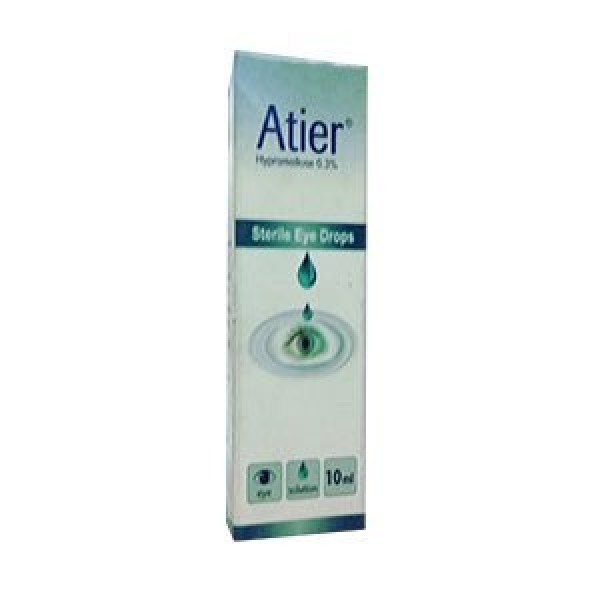
Atier ED Eye Drop 0.3% (Hypromellose) – ACI Limited
| Brand Name | Atier Eye Drop (Atier ED) |
|---|---|
| Generic Name | Hypromellose 0.3% (HPMC) |
| Strength | 0.3% (3 mg/mL) per drop |
| Dosage Form | Eye Drop Solution (10 mL) |
| Manufacturer | ACI Limited, Bangladesh |
| Drug Class | Ocular Lubricant / Artificial Tear |
| Prescription Required | No (OTC) |
| Storage | Store below 25°C. Discard 4 weeks after opening. Keep out of direct sunlight. |
1. About Atier Eye Drop (Hypromellose 0.3%)
Atier Eye Drop contains Hypromellose 0.3% (hydroxypropyl methylcellulose, HPMC), a viscoelastic polymer used as an ocular lubricant and artificial tear substitute, manufactured by ACI Limited, Bangladesh. Hypromellose eye drops provide immediate relief of ocular dryness, discomfort, and irritation by supplementing the natural tear film.
Atier Eye Drop is particularly relevant for patients with diabetic dry eye syndrome (DES) — one of the most common ocular complications of T2DM in Bangladesh. Chronic hyperglycaemia damages corneal nerve fibres (diabetic corneal neuropathy) and reduces reflex tearing, goblet cell density, and tear production, resulting in an unstable tear film, increased evaporation, and chronic dry eye symptoms. Regular lubrication with Atier helps protect the ocular surface, reduce symptoms, and maintain visual quality.
2. Mechanism of Action
Hypromellose (HPMC) is a cellulose-derived, water-soluble polymer that forms a viscoelastic film over the ocular surface when instilled as eye drops. This film: (1) supplements deficient aqueous tear volume; (2) increases tear viscosity and retention time on the corneal surface; (3) protects and lubricates the corneal epithelium; (4) stabilises the pre-corneal tear film, reducing evaporation and improving tear break-up time (TBUT).
At 0.3%, Hypromellose provides a good balance between viscosity (sufficient for symptom relief) and visual clarity (without excessive blurring). Higher concentrations (0.5%, 1%) provide longer retention but may cause temporary blurring after instillation.
3. Indications
- Diabetic dry eye syndrome: Dry eye due to diabetic corneal neuropathy — corneal nerve damage, reduced reflex tearing, goblet cell loss
- Keratoconjunctivitis sicca (KCS): Aqueous-deficient or evaporative dry eye disease
- Contact lens-related dryness: Comfort aid for contact lens wearers
- Post-operative ocular dryness: After cataract surgery, LASIK, or corneal procedures
- Environmental dry eye: Air-conditioning, digital screens, low humidity environments
- Ocular surface protection: Before and after eye procedures
4. Dosage and Administration
Instil 1–2 drops into the affected eye(s) as needed for relief, typically 3–4 times daily. For severe dry eye, frequency can be increased to every 1–2 hours as needed. Use before digital screen work, reading, or other visually demanding tasks to prevent symptom onset. Diabetic patients with chronic dry eye may need regular scheduled use (not just as-needed) to maintain ocular surface health.
Technique: Wash hands before use. Tilt head back, pull lower eyelid down gently, instil drop into the lower conjunctival sac. Close eye gently for 1–2 minutes. Avoid touching the dropper tip to the eye or any surface (risk of contamination). Discard 4 weeks after opening.
5. Contraindications
- Hypersensitivity to hypromellose or any preservatives in the formulation
- Active ocular infection (viral, bacterial, fungal) — treat infection first
6. Warnings and Precautions
Preservatives: Multi-dose Hypromellose eye drops typically contain preservatives (e.g. benzalkonium chloride). With very frequent use (>6 times/day or long-term), preservatives can cause corneal toxicity. For high-frequency or very long-term use, preservative-free formulations are preferred.
Contact lenses: Remove contact lenses before instilling drops — preservatives can be absorbed into soft lenses. Reinsert after 15 minutes.
Other eye drops: If using multiple eye drops, wait at least 5 minutes between each instillation. Use Atier after other medicated eye drops (as a final step).
Visual blurring: May cause mild temporary blurring immediately after instillation — avoid driving or operating machinery immediately after use.
7. Side Effects
Common (mostly transient): Mild blurring immediately after instillation, mild stinging or burning on first drop, feeling of film or stickiness.
Uncommon: Eye irritation, redness, allergic conjunctivitis (usually from preservative, not hypromellose itself).
Rare: Severe allergic reaction. Corneal surface toxicity with very prolonged high-frequency preserved formulation use.
8. Diabetic Dry Eye — Why Regular Lubrication Matters
Diabetic dry eye syndrome affects an estimated 15–30% of T2DM patients in Bangladesh and worsens with disease duration and glycaemic control. The pathophysiology involves: (1) Autonomic neuropathy — reduced lacrimal gland secretion; (2) Corneal neuropathy — reduced corneal sensitivity and reflex tearing; (3) Goblet cell loss — reduced mucin layer, impaired tear film stability; (4) Increased evaporation — MGD (meibomian gland dysfunction), common in T2DM. Untreated dry eye causes corneal epithelial damage, increases infection risk, impairs visual acuity, and worsens diabetic retinopathy monitoring (poor image quality). Regular use of Atier lubricant protects the corneal surface and is a key component of comprehensive diabetic eye care.
9. Storage
- Store below 25°C, protected from direct sunlight. Discard 4 weeks after opening — do not continue use after this even if solution remains. Keep out of reach of children.
Frequently Asked Questions (FAQ)
Q1: Why do diabetic patients need lubricating eye drops like Atier?
T2DM damages the nerves and glands that produce and maintain the eye's tear film through multiple mechanisms: diabetic corneal neuropathy reduces corneal nerve density and reflex tearing; autonomic neuropathy impairs lacrimal gland function; chronic hyperglycaemia reduces goblet cell density (less mucin = unstable tear film); meibomian gland dysfunction increases tear evaporation. The result is diabetic dry eye syndrome — chronic dryness, burning, foreign body sensation, blurred vision, and ocular surface damage. Regular use of Atier Hypromellose 0.3% lubricates and protects the corneal surface, relieves symptoms, and helps maintain ocular surface health — important for preserving vision in diabetic eye disease.
Q2: How often should Atier Eye Drop be used for diabetic dry eye?
For mild-to-moderate diabetic dry eye: instil 1–2 drops in each affected eye 3–4 times daily, or as needed for symptom relief. For severe symptoms, use every 1–2 hours. For preventive comfort (before extended screen use, in air-conditioned environments): use 2–3 times daily regardless of symptoms. Diabetic patients with corneal neuropathy often have reduced corneal sensation and may not appreciate the severity of their dry eye until surface damage has occurred — regular scheduled use (rather than only as-needed) is recommended. Reassess frequency with your ophthalmologist annually as part of diabetic eye care.
Q3: Can Atier Eye Drop be used with other eye medications?
Yes — Atier Hypromellose is compatible with most ophthalmic medications. Important points: (1) If using other eye drops (glaucoma drops, antibiotic drops, steroid drops), instil medicated drops first, wait at least 5 minutes, then use Atier last. Lubricant drops act as a "sealant" — using them last prevents dilution of active medications; (2) Remove contact lenses before instilling Atier; reinsert after 15 minutes; (3) Do not mix Atier with other solutions in the same dropper. If using multiple types of preservative-free single-dose drops, each unit is for single use only.
Q4: How long can I use Atier Eye Drop after opening?
Discard Atier Eye Drop (multi-dose bottle) 4 weeks after first opening, even if solution remains. This is because preservatives in multi-dose eye drops are only effective for a limited time after opening — after 4 weeks, the risk of microbial contamination increases significantly. Write the opening date on the bottle. For patients requiring very frequent use (>6 times/day) or who are immunocompromised or post-operative, preservative-free single-dose hypromellose units (opened fresh for each use) are preferred.