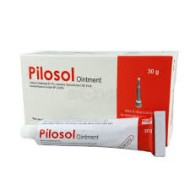

- Stock: Out Of Stock
- Product ID: Nitazoxanide
Available Options
🔒 100% Secure Payment | bKash | Nagad | SSLCommerz | COD
⭐ Become a FREE Member: 7% Extra Savings • Free Delivery • Refill Reminders • Priority Support
This Item is for pre order
Atinid (Nitazoxanide) – Antiparasitic Treatment
| Brand Name | Atinid |
|---|---|
| Generic Name | Nitazoxanide 100 mg/5 mL |
| Strength | 100 mg per 5 mL suspension |
| Dosage Form | Oral Suspension |
| Manufacturer | Biopharma Ltd., Bangladesh |
| Drug Class | Antiprotozoal / Anthelmintic |
| Prescription Required | Yes (Rx) |
| Storage | Store below 25°C. Reconstituted suspension: refrigerate, discard after 7 days. |
1. About Atinid (Nitazoxanide Suspension)
Atinid oral suspension contains Nitazoxanide 100 mg per 5 mL, manufactured by Biopharma Ltd., Bangladesh. Nitazoxanide is a first-class broad-spectrum antiparasitic agent effective against intestinal protozoa and helminths. The oral suspension is the standard paediatric formulation for children aged 1–11 years, offering excellent palatability and dosing flexibility.
Nitazoxanide has a unique dual mechanism distinguishing it from older antiparasitics: PFOR enzyme inhibition (affecting protozoa and anaerobic bacteria) and type II NADH:quinone oxidoreductase inhibition (contributing to anti-Giardia activity). This broad mechanism underlies nitazoxanide's effectiveness against organisms that resist metronidazole or albendazole.
2. Mechanism of Action
Nitazoxanide is converted to its active metabolite tizoxanide after oral administration. Tizoxanide and tizoxanide glucuronide selectively inhibit the PFOR (pyruvate:ferredoxin oxidoreductase) enzyme-dependent electron transfer pathway in anaerobic organisms, disrupting energy metabolism without affecting mammalian mitochondrial electron transport. Additionally, nitazoxanide inhibits type II NADH:quinone oxidoreductase in Giardia, providing a second mechanism of action against Giardia lamblia. The combination results in broad-spectrum activity covering protozoa, helminths, and some anaerobic bacteria.
3. Indications
- Cryptosporidiosis (Cryptosporidium parvum) — paediatric watery diarrhoea; only licensed effective treatment
- Giardiasis (Giardia intestinalis) — especially metronidazole-resistant or intolerant cases
- Intestinal amoebiasis (non-invasive Entamoeba histolytica)
- Intestinal helminths: Ascaris, Trichuris, Enterobius, Hymenolepis nana, Taenia spp.
- Blastocystis hominis infection
4. Paediatric Dosage (Suspension)
Children 1–3 years: 5 mL (100 mg) twice daily for 3 days.
Children 4–11 years: 10 mL (200 mg) twice daily for 3 days.
Take with food — significantly improves absorption and reduces GI side effects. Shake well before each dose. Reconstituted suspension: refrigerate and discard after 7 days. For adults and children ≥12 years, use Atinid 500 mg tablet.
5. Contraindications
- Hypersensitivity to nitazoxanide or excipients
- Not recommended in children under 1 year (insufficient safety data)
6. Warnings and Precautions
Immunocompromised patients: Cryptosporidiosis may require prolonged treatment (>3 days) in HIV/AIDS or immunocompromised patients — specialist guidance required. Standard 3-day course may not be sufficient in this population.
Hepatic/Renal impairment: Use with caution; limited pharmacokinetic data in severe impairment.
Diabetic patients: GI side effects (nausea, diarrhoea) may temporarily affect glycaemic control and oral medication absorption. Monitor blood glucose during treatment. Ensure adequate hydration — diarrhoea-associated dehydration can cause acute kidney injury in T2DM with CKD.
7. Side Effects
Common: Abdominal pain, nausea, diarrhoea (may transiently worsen initially), headache, yellow-green urine discolouration (harmless metabolite).
Uncommon: Vomiting, elevated transaminases, rash.
Rare: Serious hypersensitivity reactions.
8. Nitazoxanide vs Metronidazole for Giardia
Both are effective first-line options for giardiasis in Bangladesh. Key comparison: Nitazoxanide: 3-day course, no alcohol restriction, no metallic taste, also covers Cryptosporidium, suitable for children >1 year. Metronidazole: 5–7 days, alcohol interaction risk, metallic taste common, not active against Cryptosporidium, longer course. Current NICE/WHO guidance recommends metronidazole as first-line for giardiasis due to low cost; nitazoxanide is preferred when metronidazole fails or is not tolerated.
9. Storage
- Store below 25°C before reconstitution. Reconstituted suspension: refrigerate (2–8°C), discard after 7 days. Shake well before use. Out of reach of children.
Frequently Asked Questions (FAQ)
Q1: Can Atinid suspension be used for all types of worm infections in children?
Atinid (Nitazoxanide) suspension has broad anthelmintic coverage, treating roundworm (Ascaris lumbricoides), whipworm (Trichuris trichiura), pinworm (Enterobius vermicularis), dwarf tapeworm (Hymenolepis nana), and Taenia species. It is less effective for hookworm (Necator americanus, Ancylostoma duodenale) compared to albendazole — for hookworm, albendazole remains preferred. For mixed infections (worms + protozoa), nitazoxanide's broad spectrum is advantageous. However, for simple single-helminth infections (roundworm, hookworm) where protozoa are not a concern, albendazole is the first-line choice due to lower cost.
Q2: How is Atinid suspension prepared and stored?
Atinid comes as a powder that must be reconstituted with water before use: (1) Add the specified volume of clean water to the bottle (see label instructions); (2) Replace cap and shake vigorously until all powder is dissolved; (3) The resulting suspension is 100 mg/5 mL. Reconstituted suspension: refrigerate at 2–8°C; discard after 7 days — do not use after this period even if solution appears unchanged. Before each dose: shake well (the suspension settles). Use the measuring cup or syringe provided for accurate dosing.
Q3: What if my child vomits after Atinid suspension?
If vomiting occurs within 30 minutes of the dose, give the full dose again. If vomiting occurs after 30 minutes, do not repeat — consider this dose absorbed. To minimise vomiting risk: always give Atinid with food (a meal or light snack); avoid giving on an empty stomach; ensure the suspension is at room temperature before administration (cold suspension can trigger nausea). If vomiting is severe or persistent, seek medical advice — the child may need antiemetic treatment or alternative therapy. Ensure adequate oral hydration to prevent dehydration from combined vomiting and diarrhoea.
Q4: Does Atinid suspension treat Cryptosporidium diarrhoea?
Yes — Atinid (Nitazoxanide) is the only specifically licensed treatment for cryptosporidiosis in most countries. Cryptosporidium parvum causes severe watery diarrhoea in children and immunocompromised patients. Metronidazole, albendazole, and most other antiparasitics are not effective against Cryptosporidium. Clinical evidence shows nitazoxanide significantly reduces duration and severity of cryptosporidial diarrhoea in immunocompetent children. Standard course: 5 mL (100 mg) twice daily for 3 days in children 1–3 years. Immunocompromised patients (HIV, cancer, organ transplant) require longer courses and specialist management.