
- Stock: Out Of Stock
- Product ID: Nitazoxanide
Available Options
🔒 100% Secure Payment | bKash | Nagad | SSLCommerz | COD
⭐ Become a FREE Member: 7% Extra Savings • Free Delivery • Refill Reminders • Priority Support
This Item is for pre order
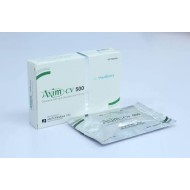
Atinid 500 (Nitazoxanide 500mg) – Adult Antiparasitic Tablet
| Brand Name | Atinid 500 |
|---|---|
| Generic Name | Nitazoxanide 500 mg |
| Strength | 500 mg per tablet |
| Dosage Form | Film-coated Tablet |
| Manufacturer | Biopharma Ltd., Bangladesh |
| Drug Class | Antiprotozoal / Anthelmintic |
| Prescription Required | Yes (Rx) |
| Storage | Store below 25°C. Protect from moisture. Keep out of reach of children. |
1. About Atinid 500 (Nitazoxanide 500mg Tablet)
Atinid 500 contains Nitazoxanide 500 mg per film-coated tablet, manufactured by Biopharma Ltd., Bangladesh. It is the adult and adolescent (≥12 years) formulation of Nitazoxanide — a first-class broad-spectrum antiparasitic agent effective against intestinal protozoa and helminths. The 500 mg tablet provides a convenient twice-daily, 3-day regimen for the treatment of Giardiasis, Cryptosporidiosis, intestinal amoebiasis, and multiple helminthiases.
Nitazoxanide stands apart from older antiparasitics by its unique dual mechanism: PFOR enzyme inhibition (disrupting anaerobic energy metabolism) and type II NADH:quinone oxidoreductase inhibition (anti-Giardia). This breadth of action renders it effective against organisms that may be resistant to metronidazole or albendazole.
2. Mechanism of Action
After oral ingestion, Nitazoxanide undergoes rapid hydrolysis to its active metabolite tizoxanide, which is further conjugated to tizoxanide glucuronide. Tizoxanide selectively inhibits the pyruvate:ferredoxin oxidoreductase (PFOR) enzyme-dependent electron transfer pathway essential for ATP generation in anaerobic and microaerophilic organisms. This mechanism does not affect mammalian mitochondrial electron transport, conferring selective antiparasitic toxicity. Additionally, Nitazoxanide inhibits type II NADH:quinone oxidoreductase in Giardia lamblia trophozoites, providing a second mechanism of action targeting energy metabolism unique to Giardia. The combined effect results in broad-spectrum activity covering intestinal protozoa, helminths, and some anaerobic bacteria.
3. Indications
- Giardiasis (Giardia intestinalis/lamblia) — including metronidazole-resistant or intolerant cases
- Cryptosporidiosis (Cryptosporidium parvum) — the only licensed effective treatment in immunocompetent patients
- Intestinal amoebiasis (non-invasive Entamoeba histolytica)
- Intestinal helminthiasis: Ascariasis, Trichuriasis, Enterobiasis, Hymenolepiasis, Taeniasis
- Blastocystis hominis infection
4. Dosage and Administration
Adults and children ≥12 years: One tablet (500 mg) twice daily for 3 days.
Take with food — food significantly enhances bioavailability (AUC increases ~2×) and reduces gastrointestinal side effects. Swallow tablet whole; do not crush. For children aged 1–11 years, the 100 mg/5 mL oral suspension (Atinid) is preferred. Immunocompromised patients (HIV, transplant) may require extended courses — consult specialist.
5. Contraindications
- Hypersensitivity to Nitazoxanide, tizoxanide, or any excipient in the formulation
- Use with caution in severe hepatic impairment (limited pharmacokinetic data)
6. Warnings and Precautions
Immunocompromised patients: Cryptosporidiosis and other parasitic infections may require prolonged treatment (beyond 3 days) in patients with HIV/AIDS, malignancy, or organ transplantation. Standard 3-day courses are insufficient in this population; management requires specialist consultation and individualised therapy duration.
Hepatic/Renal impairment: Exercise caution; limited pharmacokinetic data in severe impairment. No dose adjustment established.
Diabetes and glycaemic impact: GI side effects (nausea, diarrhoea, abdominal cramps) may transiently impair oral drug absorption and affect glycaemic control. Monitor blood glucose during treatment. Maintain adequate hydration — diarrhoea-induced dehydration may precipitate AKI in patients with T2DM and CKD.
7. Side Effects
Common (1–10%): Abdominal pain, nausea, diarrhoea (may transiently worsen at treatment onset), headache, discolouration of urine (yellow-green — harmless tizoxanide metabolite).
Uncommon (<1%): Vomiting, transient elevation of hepatic transaminases, rash, dizziness.
Rare: Serious hypersensitivity reactions including urticaria; anaphylaxis (very rare).
8. Drug Interactions
Nitazoxanide has minimal significant drug interactions due to its primarily local GI activity. However: highly protein-bound drugs — tizoxanide is highly plasma protein bound (>99%); potential for displacement interactions, though clinically significant interactions are not documented. Warfarin: theoretical interaction risk due to protein binding competition — monitor INR during concurrent use. Antacids/PPIs: no clinically significant effect on bioavailability established. No CYP enzyme induction or inhibition documented.
9. Nitazoxanide vs Metronidazole for Giardia (Adult Comparison)
For adult giardiasis treatment: Nitazoxanide 500mg BD × 3 days vs Metronidazole 400–500mg TDS × 5–7 days. Nitazoxanide advantages: shorter course (3 days vs 5–7), no alcohol restriction, no metallic taste, dual activity against Cryptosporidium, emerging evidence of activity against H. pylori. Metronidazole advantages: decades of established use, lower cost, available as generic. WHO/NICE guidelines recommend metronidazole as first-line for giardiasis primarily on cost grounds; Nitazoxanide is preferred when metronidazole fails, is not tolerated, or concurrent Cryptosporidium is suspected.
10. Storage
- Store below 25°C in a dry place. Protect from moisture and direct sunlight. Keep original packaging. Out of reach of children.
Frequently Asked Questions (FAQ)
Q1: Can Atinid 500mg tablet treat giardiasis if metronidazole has failed?
Yes — Nitazoxanide (Atinid 500) is one of the most effective treatment options for metronidazole-resistant giardiasis. Metronidazole resistance in Giardia is well documented and increasing globally, particularly in patients who have had prior or recurrent courses of metronidazole. Nitazoxanide uses a completely different mechanism (PFOR inhibition + type II NADH:quinone oxidoreductase inhibition) that is unaffected by metronidazole resistance mechanisms. Clinical trials and case series consistently show high cure rates (80–95%) for Nitazoxanide against Giardia, including metronidazole-resistant strains. The 3-day course (500 mg BD) with food is generally well tolerated. If giardiasis persists after a second-line course of Nitazoxanide, specialist parasitology consultation is recommended.
Q2: Why does urine turn yellow-green after taking Nitazoxanide?
The yellow-green urine discolouration after Nitazoxanide is caused by tizoxanide glucuronide, a conjugated metabolite of the active drug tizoxanide, which is excreted renally. The metabolite has a yellow-green chromophore that imparts colour to the urine. This is a normal, expected, and harmless pharmacological effect — not a sign of liver disease, kidney problem, or haematuria. The discolouration is temporary, appearing during the 3-day treatment course and resolving within 24–48 hours of the last dose. Patients should be informed about this effect before treatment to prevent unnecessary concern. Ensure adequate fluid intake during treatment; concentrate urine (dark urine + green tinge) may occur if the patient is dehydrated.
Q3: Is Atinid 500mg safe during pregnancy and breastfeeding?
Nitazoxanide is classified as FDA Pregnancy Category B (animal studies show no foetal harm; no adequate human studies). Teratogenic effects have not been observed in animal reproduction studies. However, due to the absence of adequate controlled human trials, Nitazoxanide should be used in pregnancy only if clearly indicated — when the benefit to the mother outweighs the theoretical risk to the foetus. For giardiasis in pregnancy, metronidazole (after first trimester) or paromomycin (non-absorbable, preferred in first trimester) are often considered first. For breastfeeding: limited data; tizoxanide is excreted into breast milk in animal studies. Caution is advised; consider interrupting breastfeeding during the 3-day treatment course if an alternative exists, particularly for infants under 1 month.
Q4: Can Atinid 500mg be used in diabetic patients taking oral hypoglycaemics?
Atinid (Nitazoxanide) can generally be used in diabetic patients with appropriate monitoring. Key considerations: (1) GI side effects (nausea, diarrhoea, abdominal cramping) are common and may reduce absorption of concurrent oral medications — this can lead to unpredictably lower blood glucose levels or disrupted medication levels; (2) Diarrhoea-induced dehydration is particularly hazardous in diabetic patients with CKD, potentially precipitating acute kidney injury and metformin accumulation risk; (3) Drug interactions — no direct pharmacokinetic interaction with common oral hypoglycaemics (metformin, sulfonylureas, SGLT2-inhibitors) has been documented, but protein binding competition with sulfonylureas is theoretically possible. Recommendations: Monitor blood glucose daily during treatment. Maintain adequate hydration. Suspend metformin temporarily if significant diarrhoea occurs. Take Atinid with food to reduce GI effects. Consult prescribing physician before use in poorly controlled diabetes or diabetic nephropathy.