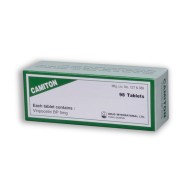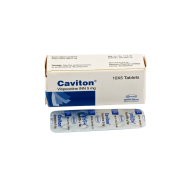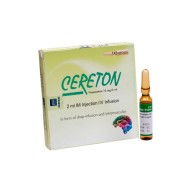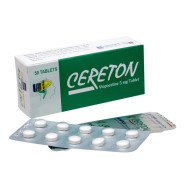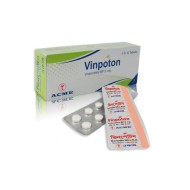

- Stock: Out Of Stock
- Brand: ACI Pharmaceuticals
- Product ID: Vinpocetine
🔒 100% Secure Payment | bKash | Nagad | SSLCommerz | COD
⭐ Become a FREE Member: 7% Extra Savings • Free Delivery • Refill Reminders • Priority Support
This Item is for pre order
Avintol 5mg Tab (Vinpocetine) – Cognitive & Cerebrovascular Support
| Brand Name | Avintol 5 mg Tab |
|---|---|
| Generic Name | Vinpocetine 5 mg |
| Strength | 5 mg per tablet |
| Dosage Form | Tablet |
| Manufacturer | ACI Limited, Bangladesh |
| Drug Class | Cerebral Vasodilator / PDE1 Inhibitor / Nootropic |
| Prescription Required | Yes (Rx) |
| Storage | Store below 30°C, away from moisture and direct light. |
1. About Avintol 5mg (Vinpocetine)
Avintol 5 mg tablets contain Vinpocetine 5 mg, manufactured by ACI Limited, Bangladesh. Vinpocetine is a semi-synthetic ethyl ester derivative of vincamine, an alkaloid isolated from the lesser periwinkle Vinca minor. Since its introduction in Hungary in 1978, vinpocetine has been widely prescribed throughout Europe and Asia for cerebrovascular insufficiency and cognitive disorders associated with vascular disease. In Bangladesh, it is commonly used for age-related cerebrovascular disease, post-stroke cognitive impairment, vertigo of vascular origin, and as a neuroprotective agent in diabetic macrovascular complications affecting the brain.
2. Mechanism of Action
Vinpocetine acts through four pharmacologically distinct mechanisms: (1) PDE1 (Phosphodiesterase type 1) inhibition: Increases cyclic AMP and cyclic GMP in cerebrovascular smooth muscle, producing selective cerebral vasodilation and increased cerebral blood flow without systemic haemodynamic effects at therapeutic doses; (2) Voltage-gated Na⁺ channel blockade: Reduces ischaemia-triggered sodium influx into neurones, preventing the excitotoxic cascade of glutamate release and neuronal death; (3) Anti-platelet aggregation: Inhibits platelet activation and reduces blood viscosity, improving microcirculatory rheology in cerebral capillaries; (4) Free radical scavenging: Neutralises reactive oxygen species generated during cerebral ischaemia-reperfusion, reducing oxidative neuronal damage. These mechanisms converge to increase cerebral oxygen and nutrient delivery while simultaneously protecting neurones from ischaemic injury.
3. Indications
- Cerebrovascular insufficiency: dizziness, headache, memory decline, concentration difficulty
- Vascular dementia and multi-infarct dementia
- Post-ischaemic stroke: cognitive rehabilitation support and secondary prevention
- Benign positional vertigo and tinnitus with vascular component
- Hypertensive encephalopathy (adjunct)
- Cognitive impairment in T2DM with cerebrovascular disease
4. Dosage
Adults: 5–10 mg three times daily (TDS), taken with food. Standard initiation: 5 mg TDS for first 2 weeks, then 10 mg TDS if well tolerated and clinically indicated. Maintenance: 5 mg TDS long-term. Allow 8–12 weeks for full cognitive benefit. Do not use in pregnancy or breastfeeding.
5. Contraindications
- Hypersensitivity to vinpocetine or vincamine-derived compounds
- Pregnancy and breastfeeding (insufficient safety data)
- Concurrent use with anticoagulants in the immediate post-haemorrhagic stroke period
6. Vinpocetine for Diabetic Cognitive Complications
Type 2 diabetes is an independent risk factor for cerebrovascular disease, producing both large-vessel lacunar infarcts and microvascular white matter changes. The resulting diabetic cerebrovascular cognitive impairment presents as slowed processing speed, impaired executive function, and episodic memory deficits — distinct from but often comorbid with Alzheimer's disease. Vinpocetine's selective cerebral blood flow enhancement, neuroprotective sodium channel blockade, and antiplatelet effects directly target the vascular mechanisms underlying diabetic cerebrovascular cognitive decline. Clinical evidence supports vinpocetine as an effective adjunct in this population, with demonstrated improvements in cognitive test scores and functional outcomes. Optimal management requires concurrent glycaemic control (HbA1c <7%), antihypertensive therapy, and statin use alongside vinpocetine.
7. Side Effects
Common: Transient mild dizziness on initiation, headache (initial, resolves with continued use), nausea (take with food to minimise), mild hypotension. Uncommon: Tachycardia, insomnia (avoid evening doses), dry mouth, skin rash. Rare: Elevated transaminases, serious hypersensitivity.
8. Monitoring
Blood pressure monitoring recommended at initiation, particularly in elderly patients and those with diabetic autonomic neuropathy (impaired postural BP responses). If concurrent anticoagulant or antiplatelet therapy, monitor for bruising or bleeding. No routine biochemical monitoring required for standard-duration use.
Frequently Asked Questions (FAQ)
Q1: What is the difference between Avintol and other brain tonic supplements?
Avintol (Vinpocetine 5mg) is a prescription pharmaceutical with established pharmacological mechanisms and clinical evidence — it is categorically different from over-the-counter "brain tonics" or herbal supplements. Key differences: (1) Proven mechanism: Vinpocetine's PDE1 inhibition, sodium channel blockade, antiplatelet, and antioxidant activities are pharmacologically validated with documented cerebral blood flow increases measurable by Doppler ultrasonography and perfusion imaging; (2) Clinical evidence: Multiple RCTs (Romania, Hungary, Russia, Japan) demonstrate significant cognitive improvements over placebo in cerebrovascular insufficiency; (3) Regulatory status: Registered prescription drug in Bangladesh (DGDA), Hungary, Germany, Japan — not a nutraceutical; (4) Precise dosing: Each tablet contains exactly 5 mg vinpocetine with verified bioavailability; (5) Drug interactions: Requires physician prescribing due to antiplatelet and anticoagulant interactions. Unlike non-prescription supplements, Avintol is a clinically validated cerebrovascular treatment.
Q2: Can Avintol 5mg be used for tinnitus treatment?
Vinpocetine (Avintol) is used for tinnitus and vertigo with a vascular component. Rationale: Many cases of tinnitus and vertigo in older adults have a vascular aetiology — reduced cochlear blood flow or labyrinthine vascular insufficiency. Vinpocetine's selective enhancement of microcirculation (cochlear artery, labyrinthine artery) may restore adequate blood supply to the inner ear, reducing tinnitus and vertigo severity. Clinical evidence: several Eastern European studies report significant reduction in tinnitus intensity and vertigo episodes with vinpocetine 5–10 mg TDS over 3 months. Response is more likely in: vascular or age-related tinnitus, cases associated with other cerebrovascular symptoms, unilateral pulsatile tinnitus. Response is less predictable in: sensorineural hearing loss with cochlear hair cell damage, noise-induced tinnitus, acoustic neuroma. Allow 8–12 weeks of treatment before assessing response. If no improvement by 3 months, reconsider diagnosis with ENT or neurology specialist.
Q3: Is Avintol 5mg safe for elderly patients with multiple medications?
Vinpocetine is generally safe in elderly patients with appropriate precautions. Key considerations for elderly polypharmacy: (1) Antiplatelet/anticoagulant combinations: Common in elderly post-stroke or AF patients on aspirin + clopidogrel or warfarin — vinpocetine's antiplatelet effect adds to bleeding risk; monitor INR if on warfarin; watch for easy bruising; (2) Antihypertensives: Vinpocetine modestly lowers BP — in elderly patients on multiple antihypertensives, postural hypotension risk increases; initiate at 5 mg TDS and check sitting/standing BP; (3) Diabetic autonomic neuropathy: Impairs postural BP regulation, increasing hypotension risk; start at lowest dose; (4) Digoxin: Theoretical interaction due to vinpocetine's cardiac effects — monitor if co-prescribed; (5) No significant interactions with metformin, ACE inhibitors, ARBs, or standard statins. The standard adult dose (5 mg TDS) applies to elderly patients — no dose reduction is typically required based on age alone, but comorbidity and polypharmacy assessment is essential.
Q4: Should Avintol be taken with or without food?
Avintol (Vinpocetine) should be taken with food for two important reasons: (1) Bioavailability: Vinpocetine bioavailability significantly increases when taken with food. A meal increases peak plasma concentration (Cmax) by approximately 60–100% compared to fasting administration. The fat content of a meal facilitates vinpocetine absorption — a meal with some fat content is optimal; (2) Tolerability: GI side effects (nausea, stomach discomfort) are substantially reduced when vinpocetine is taken with or immediately after food, particularly at the 10 mg dose. Practical advice: take Avintol at the end of each meal (breakfast, lunch, dinner) for the TDS schedule. If taking with main meals is inconvenient, a substantial snack (not just water) is acceptable. Avoid taking on a completely empty stomach, especially at the higher 10 mg dose.