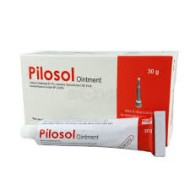

- Stock: Out Of Stock
- Brand: ACI Pharmaceuticals
- Product ID: Cephradine
🔒 100% Secure Payment | bKash | Nagad | SSLCommerz | COD
⭐ Become a FREE Member: 7% Extra Savings • Free Delivery • Refill Reminders • Priority Support
This Item is for pre order
Avlosef 1gm Vial – High-Dose IV Cephradine for Serious Bacterial Infections
| Brand Name | Avlosef 1gm Vial |
|---|---|
| Generic Name | Cephradine 1 gram for Injection |
| Strength | 1g per vial |
| Dosage Form | Powder for IV/IM Injection |
| Manufacturer | ACI Limited, Bangladesh |
| Drug Class | First-Generation Cephalosporin (Parenteral) |
| Prescription Required | Yes (Rx) |
| Storage | Dry powder: below 25°C. Reconstituted: use within 2 hours (room temp) or 24 hours (refrigerated). |
1. When 1g IV Cephradine Is Indicated Over 500mg
Avlosef 1gm vial by ACI Limited delivers cephradine 1g IV or IM — the higher-dose vial used when 500mg is insufficient. The 1g dose is indicated for: (1) Severe skin and soft tissue infections: Extensive cellulitis with systemic sepsis, necrotising fasciitis before definitive surgical debridement; (2) Peri-operative prophylaxis for high-risk patients: Obese patients (BMI >35), diabetic patients, immunocompromised patients — weight-related pharmacokinetics may require higher doses to achieve equivalent tissue concentrations; (3) Orthopaedic surgery prophylaxis: Joint replacement, internal fixation — higher prophylaxis dose (1–2g) is standard in many orthopaedic guidelines to ensure adequate bone tissue penetration; (4) Serious deep tissue infections: Osteomyelitis, septic arthritis (S. aureus) — though note that for these indications, IV antistaphylococcal treatment may continue for 4–6 weeks. Cephradine 1g IV QDS (4g/day total) is at the upper therapeutic range for community-acquired S. aureus infections.
2. Cephradine 1g in Caesarean Section Prophylaxis
Surgical site infection (SSI) after caesarean section is the leading cause of post-partum maternal morbidity in Bangladesh. Cephradine (or cefalexin IV) is widely used for caesarean section prophylaxis in Bangladeshi hospitals. Evidence-based practice: (1) Dose: 1g IV single dose given within 60 minutes before skin incision (preferred) or at cord clamping if pre-incision not feasible — pre-incision dosing has superior SSI prevention data; (2) Timing: Pre-incision prophylaxis reduces endometritis by approximately 75% and SSI by 50% compared to no prophylaxis; (3) Second dose: Not routinely required for standard-duration caesarean sections (<2 hours). Re-dose if operation exceeds 4 hours; (4) Obese patients (BMI >35): Consider 2g dose — tissue concentrations with 1g may be subtherapeutic at high BMI; (5) Post-operative continuation: Not recommended — single pre-operative dose is as effective as multi-dose regimens and reduces resistance selection.
3. Reconstitution and Administration
Avlosef 1g vial reconstitution: (1) IV bolus: Add 10ml sterile water for injection → shake until dissolved → inject slowly IV over 3–5 minutes; (2) IV infusion: Reconstitute in 10ml, then dilute in 50–100ml 0.9% saline or 5% dextrose → infuse over 20–30 minutes; (3) IM injection: Reconstitute in 2ml sterile water for injection → deep IM into gluteal muscle or lateral thigh. IM administration of 1g in 2ml is painful — split into two separate IM injections (500mg each site) if IM route is necessary. The IV infusion route is preferred for the 1g dose. Do NOT mix in same IV line with aminoglycosides (gentamicin, amikacin) — physical incompatibility. Inspect solution for clarity before administration.
4. Dosage
Adults: 1g IV every 6 hours (QDS) for serious infections — maximum 8g/day. Surgical prophylaxis: 1–2g IV single dose pre-operatively. Paediatric: 100mg/kg/day in 4 divided doses for severe infections. Renal dose adjustment: GFR 20–50ml/min: 1g every 6–8h; GFR <20ml/min: 500mg every 6h or 1g every 12h. Duration: IV until clinical stability, then step down to oral Avlosef 500mg capsules to complete total antibiotic course (typically 7–14 days total depending on indication).
5. Cephradine 1g in Diabetic Patients: Surgical and Infectious Considerations
Diabetic patients have significantly higher rates of surgical site infections, osteomyelitis, and necrotising skin infections. Key cephradine-specific points for diabetic surgical patients: (1) Higher prophylaxis dose: 1g (not 500mg) is appropriate for diabetic patients undergoing surgery due to suboptimal tissue perfusion and immune function that may reduce tissue antibiotic concentrations; (2) Diabetic osteomyelitis: Foot osteomyelitis in diabetes often involves S. aureus. IV cephradine 1g QDS is a reasonable component of combination therapy, though the duration (4–6 weeks IV) and need for debridement must be guided by specialist input; (3) Hyperglycaemia and infection: Blood glucose above 10–11 mmol/L impairs neutrophil killing capacity. Maintaining near-normal glycaemia during antibiotic treatment is critical — insulin sliding scales or enhanced monitoring during IV antibiotic courses; (4) Renal function monitoring: CKD is common in diabetic patients — check eGFR before prescribing and adjust cephradine dose if impaired.
Frequently Asked Questions (FAQ)
Q1: Why is a 1g vial needed when 500mg vials are available?
Several clinical situations require the 1g dose: (1) High-risk surgical prophylaxis (obese, diabetic, immunocompromised) — 1g achieves reliably therapeutic tissue concentrations; (2) Serious infections requiring 1g QDS dosing — using two 500mg vials per dose is wasteful and logistically inconvenient compared to a single 1g vial; (3) Orthopaedic procedures with bone penetration requirements — standard prophylaxis in many protocols is 1–2g; (4) Caesarean section in obese patients. For standard clean surgical prophylaxis in normal-weight patients, 500mg IV is adequate.
Q2: Can the 1g cephradine vial be given IM instead of IV?
Yes — but 1g IM in a single injection is very painful due to the volume and osmolarity. If IV access is not available: (1) Split the 1g into two 500mg IM injections at separate sites; (2) Reconstitute each 500mg in 1.2ml sterile water for injection; (3) Inject deep into the gluteal muscle or lateral thigh; (4) Warn the patient of significant injection site pain; (5) IV access is strongly preferred — consider cannulation before resorting to split IM injection for the 1g dose.
Q3: How long should IV cephradine 1g continue before switching to oral?
Step-down to oral antibiotics should occur as soon as clinical stability criteria are met — typically 48–72 hours after starting IV therapy in most non-severe infections. Criteria: afebrile for 24 hours, heart rate and respiratory rate normalising, able to tolerate oral fluids, infection not involving CNS, bloodstream, or heart valves. Oral Avlosef 500mg capsules can replace IV 1g cephradine at step-down — bioavailability is sufficient for completing the course. Prolonged IV therapy without clear clinical indication increases catheter-related infection risk, prolongs hospital stay, and has no advantage over oral therapy once stability criteria are met.
Q4: Is cephradine 1g appropriate for post-operative infections after major surgery?
Yes — established post-operative wound infections (not prophylaxis) with S. aureus or Streptococcus as suspected pathogens are appropriately treated with cephradine 1g IV QDS. Key considerations: (1) Obtain wound swabs for culture before starting antibiotics — do not delay treatment for culture results in clinically significant infection; (2) Ensure adequate wound drainage — antibiotics without drainage of collections will fail; (3) MRSA is increasingly common in post-operative infections — if no improvement within 48 hours, add MRSA coverage (vancomycin IV) while awaiting culture results; (4) Once culture confirms susceptibility and patient improves, step down to oral cephradine to complete 7–14 day total course.