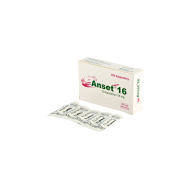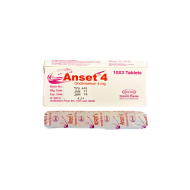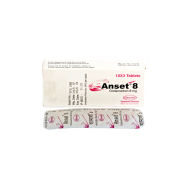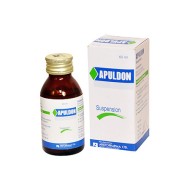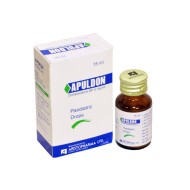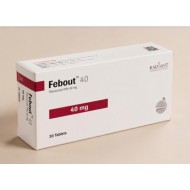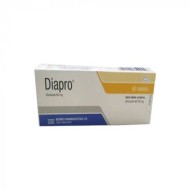

- Stock: In Stock
- Brand: Popular Pharmaceuticals Ltd.
- Product ID: Ondansetron
Available Options
🔒 100% Secure Payment | bKash | Nagad | SSLCommerz | COD
⭐ Become a FREE Member: 7% Extra Savings • Free Delivery • Refill Reminders • Priority Support
Product Overview
| Brand Name | Avona 8 Tablet |
|---|---|
| Generic Name | Ondansetron 8 mg |
| Manufacturer | ACI Limited, Bangladesh |
| Strength | Ondansetron 8 mg per tablet |
| Dosage Form | Tablet |
| Therapeutic Class | Antiemetic — Selective 5-HT3 Receptor Antagonist |
| MRP (Bangladesh) | ৳10.00 per tablet |
| Prescription Status | Prescription required |
What Is Avona 8 (Ondansetron 8 mg)?
Avona 8 Tablet is an antiemetic medication manufactured by ACI Limited, Bangladesh, containing Ondansetron 8 mg. Ondansetron is a selective antagonist of 5-hydroxytryptamine type 3 (5-HT3) serotonin receptors — one of the most potent and best-tolerated antiemetics available in clinical practice. Approved for the prevention and treatment of nausea and vomiting in a broad range of clinical settings including chemotherapy-induced emesis, radiation-induced emesis, and post-operative nausea and vomiting (PONV), ondansetron has become a cornerstone antiemetic in Bangladesh and globally. In patients with diabetes mellitus, ondansetron is particularly relevant for managing the nausea associated with diabetic gastroparesis and for controlling emesis during intercurrent illnesses where the inability to retain oral medications or food creates a dangerous cycle of glycaemic instability.
Mechanism of Action: 5-HT3 Receptor Antagonism
Nausea and vomiting are mediated through multiple pathways involving the vomiting centre in the medulla oblongata and the chemoreceptor trigger zone (CTZ) in the area postrema. Serotonin (5-HT), released from enterochromaffin cells of the small intestinal mucosa in response to cytotoxic drugs, radiation, or other emetic stimuli, activates vagal afferent 5-HT3 receptors, sending signals to the brainstem vomiting centre. Central 5-HT3 receptors in the CTZ also mediate the emetic reflex. Ondansetron competitively and selectively blocks 5-HT3 receptors at both peripheral vagal afferent terminals in the gut and at central sites in the area postrema, thereby interrupting the serotonergic signalling cascade that triggers vomiting. It does not have significant affinity for dopamine D2 receptors, which is why it lacks the extrapyramidal side effects (dystonia, akathisia) associated with older antiemetics like metoclopramide and domperidone. This receptor selectivity gives ondansetron a favourable tolerability profile even at higher doses.
Clinical Indications in Bangladesh
Avona 8 mg tablet is indicated for the prevention and treatment of nausea and vomiting in the following settings. For chemotherapy-induced nausea and vomiting (CINV), ondansetron is a first-line agent and is particularly effective against highly emetogenic regimens including cisplatin-based therapy. It is used on the day of chemotherapy and for 1–2 days afterwards as part of a structured antiemetic protocol. For radiation-induced nausea and vomiting (RINV), particularly in patients receiving abdominal or total-body irradiation, ondansetron provides effective prophylaxis. For post-operative nausea and vomiting (PONV), it is used prophylactically before or during surgery and therapeutically in the recovery room. In patients with diabetic gastroparesis — a complication of autonomic neuropathy in longstanding diabetes — nausea and early satiety are prominent symptoms; ondansetron is used as an adjunct to manage emesis, although it does not address the underlying motility disorder. Acute gastroenteritis-associated vomiting, hyperemesis gravidarum, and nausea from opioid therapy are additional contexts in Bangladesh clinical practice.
Dosage and Administration
For the prevention of chemotherapy-induced nausea and vomiting in adults, the standard dose is ondansetron 8 mg orally 30 minutes before chemotherapy, followed by 8 mg every 8 hours for 1–2 days. For radiotherapy-induced emesis, 8 mg 1–2 hours before radiotherapy, then 8 mg every 8 hours during treatment is typical. For post-operative nausea and vomiting, a single dose of 16 mg (two 8 mg tablets) is given one hour before induction of anaesthesia. For treatment of established nausea/vomiting in adults, 8 mg twice or three times daily is used, adjusted based on severity. In elderly patients, the standard adult dose is used with no routine reduction required, though cumulative dosage over 32 mg/day should be avoided due to QTc prolongation risk. Hepatic impairment requires dose reduction — the total daily dose should not exceed 8 mg in patients with severe hepatic failure (Child-Pugh C). In diabetic patients experiencing gastroparesis-related nausea, dosing is tailored by the physician based on symptom pattern and glycaemic stability.
Cardiac Safety: QTc Interval and Drug Interactions
Ondansetron, like all 5-HT3 antagonists, prolongs the cardiac QTc interval in a dose-dependent manner, which is an important clinical consideration. The QTc prolongation risk is greatest at doses above 32 mg/day and is substantially increased by concurrent use of other QTc-prolonging agents — a concern particularly relevant to diabetic patients who may be on multiple medications. Antidiabetic drugs including some sulfonylureas, tricyclic antidepressants used for diabetic neuropathy pain, fluoroquinolone antibiotics, azithromycin, and antiarrhythmics all prolong QTc. Clinicians should screen for QTc-prolonging drug combinations before prescribing ondansetron in patients with diabetes and comorbidities. Ondansetron should be used with particular caution in patients with congenital long QT syndrome, hypokalaemia, hypomagnesaemia, or pre-existing cardiac conduction abnormalities. Electrolyte monitoring is advisable in diabetic patients on diuretics who are prescribed ondansetron, as hypokalaemia potentiates QTc prolongation. The intravenous formulation carries a higher QTc risk than the oral formulation at equivalent doses.
Ondansetron in Diabetic Gastroparesis
Diabetic gastroparesis is a delayed gastric emptying disorder caused by autonomic neuropathy affecting the vagus nerve and enteric nervous system, occurring in an estimated 20–50% of patients with longstanding type 1 or type 2 diabetes. Symptoms include chronic nausea, vomiting, early satiety, bloating, and erratic postprandial glycaemia due to unpredictable gastric emptying rates. While prokinetic agents (metoclopramide, domperidone) directly accelerate gastric emptying and address the underlying motility defect, they carry significant side effects (extrapyramidal effects with metoclopramide, cardiac risk with domperidone). Ondansetron, as a non-prokinetic antiemetic, does not accelerate gastric emptying but effectively suppresses the nausea and vomiting component of gastroparesis, improving quality of life and oral intake. It is typically used as an adjunct to dietary modification and glycaemic optimisation in gastroparesis management. Patients with gastroparesis should be aware that erratic gastric emptying may affect oral medication absorption — including ondansetron itself — during acute symptom exacerbations.
Adverse Effects
Ondansetron is generally well tolerated. The most common adverse effects are headache (reported in 15–25% of patients), constipation (7–10%), and a sensation of warmth or flushing. Constipation — already a common complication of diabetes-related autonomic neuropathy — may be exacerbated by ondansetron and should be monitored. Transient asymptomatic elevation of liver transaminases occurs in some patients. Dizziness and fatigue are reported less frequently. Rare but serious adverse effects include hypersensitivity reactions (urticaria, anaphylaxis), serotonin syndrome when combined with serotonergic agents (SSRIs, SNRIs, MAOIs), and QTc prolongation with risk of serious ventricular arrhythmia at high doses or in susceptible patients. Patients experiencing palpitations, dizziness, or fainting during ondansetron therapy should seek immediate medical attention.
Storage
Avona 8 Tablets should be stored at room temperature below 30°C, protected from light and moisture. Keep out of reach of children. Do not use after the printed expiry date. As a prescription antiemetic, Avona 8 requires a valid prescription from a registered medical practitioner before dispensing.
Frequently Asked Questions (FAQ)
Q1: How does Avona 8 (ondansetron) help with nausea in diabetes?
A: Diabetic gastroparesis causes chronic nausea due to nerve damage affecting stomach emptying. Ondansetron blocks the serotonin signals that trigger the vomiting reflex, reducing nausea and allowing better food and medication intake — which helps stabilise blood glucose levels during symptomatic periods.
Q2: Can I take ondansetron with my diabetes medications?
A: Most antidiabetic medications are safe with ondansetron at standard doses. However, some combinations — particularly with sulfonylureas, antibiotics like azithromycin or fluoroquinolones, or antidepressants — can increase the risk of heart rhythm changes (QTc prolongation). Always inform your doctor of all medications before taking ondansetron.
Q3: Why does ondansetron sometimes cause constipation?
A: Serotonin (5-HT3) receptors in the gut help regulate intestinal motility. When ondansetron blocks these receptors to prevent vomiting, it also slows colonic transit, leading to constipation in some patients. This is particularly relevant in diabetic patients who already have reduced bowel motility from autonomic neuropathy.
Q4: How quickly does Avona 8 work for nausea?
A: When taken orally, ondansetron typically begins working within 30–60 minutes. For best effect against chemotherapy or radiotherapy-induced nausea, it should be taken 30–60 minutes before the emetogenic treatment rather than after nausea has already developed.
Medical Disclaimer: This information is provided for educational purposes only and does not constitute medical advice. Always consult a licensed physician or pharmacist before starting any new medication. DiabetesStore.com.bd does not assume liability for clinical decisions made based on this content.