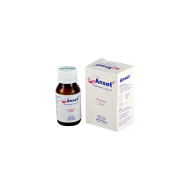

- Stock: In Stock
- Brand: Popular Pharmaceuticals Ltd.
- Product ID: Ondansetron
Available Options
🔒 100% Secure Payment | bKash | Nagad | SSLCommerz | COD
⭐ Become a FREE Member: 7% Extra Savings • Free Delivery • Refill Reminders • Priority Support
Product Overview
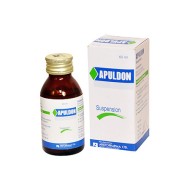
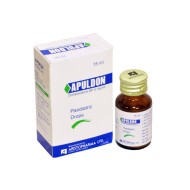
| Brand Name | Avona Oral Solution |
|---|---|
| Generic Name | Ondansetron 4 mg per 5 ml |
| Manufacturer | ACI Limited, Bangladesh |
| Strength | 4 mg ondansetron per 5 ml |
| Dosage Form | Oral Solution (Syrup) |
| Therapeutic Class | Antiemetic — Selective 5-HT3 Receptor Antagonist |
| MRP (Bangladesh) | ৳35.00 per bottle |
| Prescription Status | Prescription required |
What Is Avona Oral Solution (Ondansetron 4 mg/5 ml)?
Avona Oral Solution is a liquid formulation of ondansetron manufactured by ACI Limited, Bangladesh, providing 4 mg of ondansetron per 5 ml of solution. The oral solution form is specifically designed for paediatric patients and for adults who cannot swallow tablets, offering the same potent antiemetic efficacy of a selective 5-HT3 receptor antagonist in a palatable, weight-dose-flexible form. Ondansetron oral solution is widely used in paediatric oncology, paediatric surgery, and for managing acute vomiting in children from gastroenteritis or other causes. The 4 mg/5 ml concentration allows accurate weight-based dose measurement, which is essential for safe and effective antiemetic therapy in children. In Bangladesh, where paediatric nausea and vomiting in acute illness is a major concern for caregivers and clinicians, Avona Oral Solution provides an accessible, reliable antiemetic option from a trusted domestic manufacturer.
Mechanism of Action
Ondansetron is a highly selective competitive antagonist of serotonin (5-HT3) receptors. Nausea and vomiting are initiated by serotonin release from intestinal enterochromaffin cells in response to emetic stimuli — cytotoxic drugs, radiation, gut distension, toxins, or inflammation. Released serotonin activates 5-HT3 receptors on vagal afferent nerve fibres in the gastrointestinal mucosa, transmitting emetic signals to the brainstem vomiting centre. 5-HT3 receptors in the chemoreceptor trigger zone (CTZ) of the area postrema also mediate centrally initiated vomiting. Ondansetron blocks these 5-HT3 receptors at both vagal and central sites, interrupting the serotonin-mediated emetic cascade before the vomiting reflex is initiated. Unlike metoclopramide, ondansetron does not block dopamine receptors and therefore carries no risk of extrapyramidal side effects — making it particularly suitable for paediatric use where acute dystonias from dopamine antagonists can be distressing and require urgent intervention. The oral solution formulation provides rapid gastrointestinal absorption with peak plasma concentration typically reached within 1–2 hours of dosing.
Paediatric Indications
Avona Oral Solution is indicated in children for the prevention and treatment of: chemotherapy-induced nausea and vomiting (CINV) in paediatric oncology patients receiving moderately or highly emetogenic regimens; post-operative nausea and vomiting (PONV) following paediatric surgical procedures under general anaesthesia; and as an antiemetic adjunct in acute gastroenteritis with significant vomiting. In paediatric oncology settings across Bangladesh, ondansetron oral solution is a standard component of the antiemetic protocol alongside dexamethasone for highly emetogenic chemotherapy. For acute gastroenteritis — a high-burden condition in Bangladesh where rotavirus, norovirus, and enteric bacterial infections cause substantial paediatric morbidity — oral ondansetron has been shown in multiple randomised controlled trials to significantly reduce the number of vomiting episodes, improve oral rehydration success, and reduce emergency department return visits. This evidence-based use in acute gastroenteritis has made ondansetron oral solution a valuable tool in paediatric emergency care in resource-limited settings. The solution is also used in children experiencing nausea from opioid analgesics and for radiotherapy-induced emesis.
Paediatric Dosing Guidelines
Dosing of ondansetron oral solution in children is weight-based. For children aged 6 months to 18 years, the standard dose is 0.1–0.15 mg/kg per dose, given three times daily when required, not exceeding the adult dose of 8 mg per dose. Practical weight-band dosing: children weighing 8–15 kg receive 4 mg (5 ml) three times daily; 15–25 kg receive 4–8 mg (5–10 ml) three times daily; above 25 kg use adult dosing of 8 mg (10 ml) three times daily. For PONV prophylaxis, a single dose of 0.1 mg/kg (maximum 4 mg) given 15–30 minutes before induction of anaesthesia is standard. For acute gastroenteritis, a single dose of 0.15 mg/kg or the weight-band dose given once has been shown in clinical trials to reduce emesis and improve oral rehydration in children above 6 months. The oral solution should be measured using the provided dosing syringe for accuracy; household teaspoons are not adequately calibrated. Ondansetron oral solution is not recommended in neonates due to QTc concerns and limited pharmacokinetic data.
Paediatric Safety and Adverse Effects
Ondansetron oral solution is generally well tolerated in children. The most common adverse effects in paediatric patients are headache, constipation, and transient elevation of liver enzymes. The constipating effect may be clinically relevant in children with baseline constipation or in those with underlying neurological conditions affecting bowel motility. Importantly for paediatric prescribers, ondansetron prolongs the cardiac QTc interval in a dose-dependent manner; this risk is increased in children with congenital long QT syndrome, uncorrected electrolyte abnormalities (hypokalaemia, hypomagnesaemia), or concurrent QTc-prolonging medications. Electrolyte disturbances from vomiting and dehydration — common in the gastroenteritis context — can amplify the QTc prolongation risk. In routine clinical use for acute gastroenteritis at single therapeutic doses, the QTc risk is considered acceptable relative to the benefit. However, clinicians should be cautious in children with pre-existing cardiac conditions or those on other QTc-prolonging agents. Rare hypersensitivity reactions and serotonin syndrome (in conjunction with serotonergic medications) have been reported.
Use in Gastroenteritis: Evidence and Practical Guidance
A systematic review and meta-analysis of randomised controlled trials demonstrated that a single oral dose of ondansetron in children aged 6 months to 12 years with vomiting from acute gastroenteritis significantly reduces the proportion of children who continue to vomit, increases the success of oral rehydration therapy, and reduces hospitalisation rates. This evidence has led to ondansetron being incorporated into major paediatric emergency guidelines. Practical guidance for use in gastroenteritis: ondansetron should be given as a single oral dose before attempting oral rehydration with ORS; if the child vomits the dose within 15 minutes, a repeat dose may be given; if vomiting persists despite ondansetron, parenteral fluid therapy should be initiated and further antiemetic doses given parenterally. Ondansetron treats the symptom (vomiting) and supports oral rehydration — it does not treat the underlying enteric infection and is not a substitute for adequate rehydration and electrolyte replacement.
Storage
Avona Oral Solution should be stored at room temperature below 30°C, protected from light and heat. Do not freeze. Keep out of reach of children. Once opened, use within the period stated on the label. Shake well before each use if separation of the solution occurs. Dispense with an accurate oral dosing syringe. As a prescription antiemetic, Avona Oral Solution requires a valid prescription from a registered physician before dispensing.
Frequently Asked Questions (FAQ)
Q1: Can Avona Oral Solution be used for a child with vomiting from gastroenteritis?
A: Yes. Clinical trials show that a single oral dose of ondansetron reduces vomiting episodes in children with acute gastroenteritis, improves the success of oral rehydration, and reduces the need for IV fluids. It should be used alongside oral rehydration salts (ORS), not as a replacement for rehydration.
Q2: How do I measure the correct dose for my child?
A: Use the calibrated oral syringe provided with the bottle — never a household teaspoon. The dose depends on your child's weight. For children weighing 8–15 kg, the typical dose is 5 ml (4 mg) given up to three times daily. Always follow your doctor's prescribed dose.
Q3: Is ondansetron oral solution safe for infants?
A: Avona Oral Solution is generally used in children above 6 months of age. In neonates and infants under 6 months, ondansetron use is not recommended due to QTc prolongation risk and limited pharmacokinetic data in this age group. Always consult a physician before giving any antiemetic to a young infant.
Q4: What should I do if my child vomits the dose within minutes of taking it?
A: If the child vomits the oral solution within 15 minutes of taking it, a single repeat dose may be given. If vomiting continues despite the repeat dose, or if the child is showing signs of significant dehydration (very dry mouth, no urination for 8 hours, sunken eyes), seek immediate medical care for assessment and possible intravenous fluid therapy.
Medical Disclaimer: This information is provided for educational purposes only. Paediatric antiemetic therapy requires medical assessment and prescription. Always consult a licensed physician before administering any medication to a child. DiabetesStore.com.bd does not assume liability for clinical decisions made based on this content.