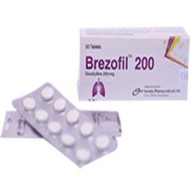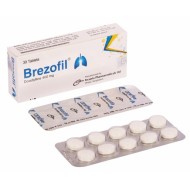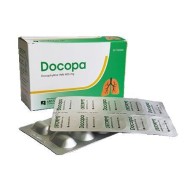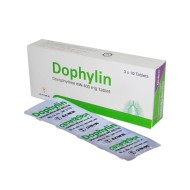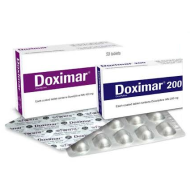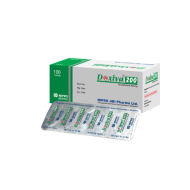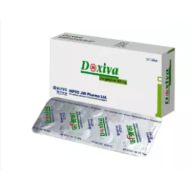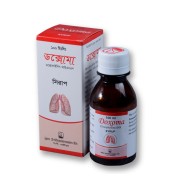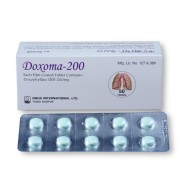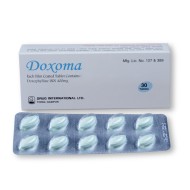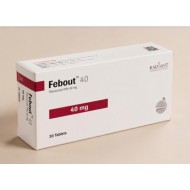
- Stock: In Stock
- Brand: Orion Pharma Limited
- Product ID: Doxophylline
🔒 100% Secure Payment | bKash | Nagad | SSLCommerz | COD
⭐ Become a FREE Member: 7% Extra Savings • Free Delivery • Refill Reminders • Priority Support
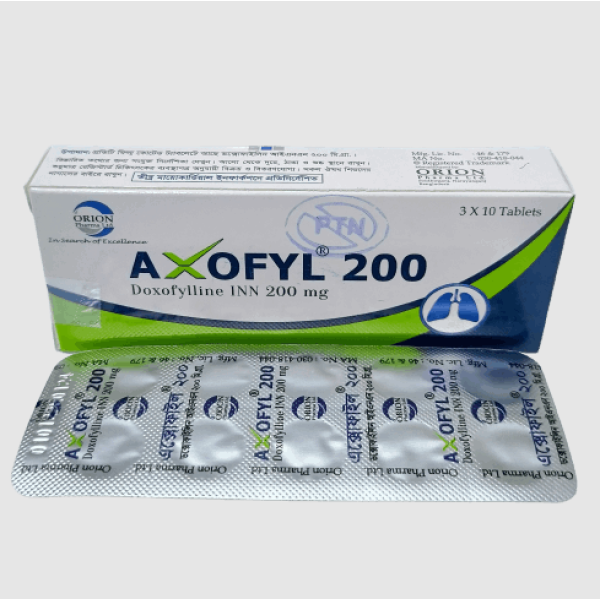
Axofyl 200 Tab (Doxofylline 200 mg) — Clinical Overview
| Brand Name | Axofyl 200 Tab |
|---|---|
| Generic Name | Doxofylline |
| Manufacturer | ACI Limited, Bangladesh |
| Strength | 200 mg per tablet |
| Dosage Form | Tablet |
| Drug Class | Xanthine Bronchodilator (Newer Generation) |
| Therapeutic Area | Respiratory — Asthma, COPD, Chronic Bronchitis |
| Prescription Status | Prescription Only Medicine (POM) |
What is Axofyl 200 Tab?
Axofyl 200 Tab is an oral bronchodilator by ACI Limited, Bangladesh containing doxofylline 200 mg per tablet. Doxofylline is a newer-generation xanthine derivative structurally related to theophylline but with a significantly improved tolerability profile — offering comparable bronchodilator efficacy with substantially fewer cardiovascular, central nervous system, and gastrointestinal adverse effects. This pharmacological advancement makes Axofyl 200 a clinically superior choice over classical theophylline, particularly in patients requiring long-term respiratory management.
Axofyl 200 is used in Bangladesh for the management of bronchial asthma, chronic obstructive pulmonary disease (COPD), and chronic bronchitis. The 200 mg tablet allows flexible dosing — multiple tablets per dose for higher strength requirements — making it adaptable to individual patient needs under physician guidance. Respiratory comorbidities are common in patients with type 2 diabetes, where reduced lung function, increased susceptibility to respiratory infections, and systemic inflammation create significant bronchial management challenges.
Mechanism of Action
Doxofylline exerts its bronchodilator effect through multiple pharmacological mechanisms that distinguish it from earlier xanthines:
- Non-selective phosphodiesterase (PDE) inhibition: Doxofylline inhibits PDE3 and PDE4 enzymes, increasing intracellular cyclic AMP (cAMP) and cyclic GMP (cGMP) concentrations. Elevated cAMP causes smooth muscle relaxation in bronchial walls, reducing airway resistance and improving airflow.
- Adenosine receptor antagonism: Unlike theophylline, doxofylline has significantly weaker binding to adenosine A1, A2, and A3 receptors — the primary mechanism responsible for theophylline's cardiac arrhythmias, CNS stimulation, seizure risk, and gastric acid secretion side effects. This selective pharmacological profile is the foundation of doxofylline's improved safety.
- Anti-inflammatory effects: Xanthine-class agents exhibit some anti-inflammatory properties through PDE inhibition in inflammatory cells, including reduced release of pro-inflammatory cytokines from mast cells and eosinophils — potentially beneficial in asthma where airway inflammation is a central pathological feature.
Clinical Indications
- Bronchial asthma: As a bronchodilator for maintenance therapy of asthma in adults, particularly where beta-2 agonists are contraindicated or insufficient as monotherapy
- Chronic Obstructive Pulmonary Disease (COPD): Maintenance bronchodilation to reduce airflow obstruction and improve exercise tolerance in mild-to-moderate COPD
- Chronic bronchitis: As adjunctive bronchodilator therapy alongside antibiotics and mucolytics in bacterial exacerbations
- Acute bronchospasm: May be used as part of multi-drug management under physician supervision
Advantages over Theophylline
Doxofylline emerged as a therapeutic advancement specifically to address theophylline's well-documented limitations:
- Cardiac safety: Doxofylline does not significantly inhibit cardiac adenosine receptors at therapeutic concentrations, resulting in less tachycardia, fewer arrhythmias, and a wider therapeutic margin — critical in patients with diabetic autonomic neuropathy who may have pre-existing cardiac vulnerability
- CNS safety: Minimal CNS adenosine receptor blockade means markedly less headache, anxiety, insomnia, tremor, and no seizure risk at therapeutic doses
- GI tolerability: Less gastric acid stimulation and GI mucosal irritation — lower incidence of nausea, vomiting, and abdominal pain compared to theophylline
- Wider therapeutic index: The concentration range between therapeutic effect and toxic effect is broader with doxofylline, simplifying dosing and reducing risk of inadvertent toxicity
- Less drug interaction burden: While CYP1A2 interactions still apply, doxofylline has fewer pharmacokinetic interactions than theophylline in practice
Dosage and Administration
- Standard adult dose: 200–400 mg orally 3 times daily (TID) after meals
- Some protocols: 400–800 mg twice daily (BID) — depending on indication and prescriber preference
- With food: Take after meals to minimise GI side effects
- Renal impairment: Monitor; dose reduction may be needed in severe renal impairment
- Hepatic impairment: Use with caution — xanthines are hepatically metabolised via CYP1A2; dose reduction and monitoring advised
- Monitoring: Regular clinical assessment; plasma level monitoring generally not required at standard doses due to wider therapeutic index vs theophylline
Relevance in Diabetic Patients
- Respiratory comorbidities: Type 2 diabetes is associated with reduced lung function (decreased FEV1, FVC), increased risk of COPD, and higher susceptibility to respiratory infections. Axofyl 200 addresses bronchial symptoms in this high-risk population.
- Glycaemic considerations: Theophylline is known to cause hyperglycaemia via catecholamine release (cardiac adenosine receptor blockade stimulates adrenaline secretion). Doxofylline, with its much weaker adenosine receptor activity, has a significantly lower propensity for catecholamine-mediated glucose elevation — making it a preferable xanthine for patients with diabetes.
- Cardiac overlap with diabetes: Diabetic patients have elevated baseline cardiovascular risk. Doxofylline's reduced cardiac arrhythmia potential versus theophylline makes it safer in patients with diabetic cardiomyopathy, ischaemic heart disease, or autonomic neuropathy.
- Steroid interaction: If systemic corticosteroids are prescribed alongside doxofylline for acute asthma, monitor blood glucose carefully — corticosteroids cause significant transient hyperglycaemia in diabetic patients.
Side Effects
- Common: Mild nausea, epigastric discomfort (especially on empty stomach), headache
- Uncommon: Palpitations, tremor, insomnia — all significantly less frequent than with theophylline
- Rare: Tachycardia, restlessness, hypotension at toxic doses
Frequently Asked Questions (FAQ)
Is Axofyl 200 safer than theophylline for asthma?
Yes — doxofylline (Axofyl 200) has a substantially better safety profile than theophylline while delivering comparable bronchodilation. The key difference is that doxofylline binds weakly to cardiac and CNS adenosine receptors, which are responsible for theophylline's most serious side effects: cardiac arrhythmias, seizures, severe tremor, and CNS excitation. Doxofylline also has a wider margin between therapeutic and toxic concentrations, making routine plasma level monitoring less critical than with theophylline.
Can Axofyl 200 be used in patients with type 2 diabetes?
Yes — doxofylline is generally safer than theophylline in diabetic patients because it has much weaker adenosine receptor activity and therefore less potential to stimulate adrenaline release (which raises blood glucose). While all xanthine bronchodilators require clinical monitoring in diabetic patients, Axofyl 200 is the preferred xanthine for those with diabetes, particularly those with co-existing cardiac conditions such as diabetic cardiomyopathy or autonomic neuropathy.
How should Axofyl 200 mg be taken?
Axofyl 200 mg tablets should be taken after meals to reduce gastrointestinal side effects such as nausea and stomach discomfort. The typical dose is 200–400 mg three times daily, but your prescribing physician will determine the exact dose and schedule based on your condition, weight, age, and other medications. Do not crush or break the tablet unless advised. Avoid taking with excessive amounts of caffeine-containing beverages (tea, coffee) as caffeine is a xanthine that may add to side effects.
Does Axofyl 200 interact with diabetes medications?
Axofyl 200 (doxofylline) is metabolised by CYP1A2 enzymes in the liver and may have interactions with certain medications that inhibit this pathway (such as ciprofloxacin, fluvoxamine). However, it does not have clinically significant pharmacokinetic interactions with standard antidiabetic agents — metformin, sulphonylureas, DPP-4 inhibitors, SGLT-2 inhibitors, or insulin. The more important concern with xanthines in diabetic patients is the potential for minor catecholamine-mediated glucose fluctuation at high doses — monitor blood glucose if you notice unexpected readings while starting doxofylline therapy.