- Stock: In Stock
- Brand: Incepta Pharmaceuticals
- Product ID: Vitamin C, Vitamin E, Lutein, Copper & Zinc
🔒 100% Secure Payment | bKash | Nagad | SSLCommerz | COD
⭐ Become a FREE Member: 7% Extra Savings • Free Delivery • Refill Reminders • Priority Support
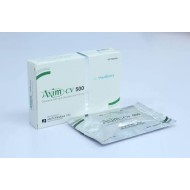
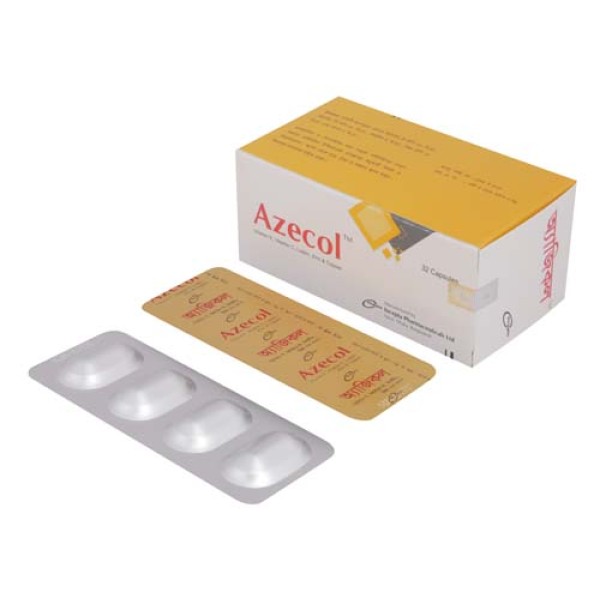
Azecol Capsule — Antioxidant Eye Health Supplement (Vitamin C, E, Zinc, Copper, Lutein)
| Attribute | Details |
|---|---|
| Brand Name | Azecol |
| Generic Name | Vitamin C + Vitamin E + Zinc + Copper + Lutein |
| Dosage Form | Capsule |
| Drug Class | Antioxidant and Anti-Cataract Nutritional Supplement |
| Manufacturer | Incepta Pharmaceuticals Ltd., Bangladesh |
| Route of Administration | Oral |
About Azecol Capsule
Azecol Capsule is an antioxidant ophthalmic nutritional supplement containing a combination of Vitamin C, Vitamin E, Zinc, Copper, and Lutein, manufactured by Incepta Pharmaceuticals Ltd., Bangladesh. This formulation mirrors the nutrient combinations studied in the landmark Age-Related Eye Disease Study (AREDS and AREDS2) — the most comprehensive clinical trials evaluating nutritional supplementation for age-related ocular conditions. Azecol is indicated as a nutritional adjunct for the prevention and adjunctive management of age-related macular degeneration (AMD), cataract formation, and ocular oxidative stress — conditions of particular relevance to patients with diabetes, where oxidative damage is a major driver of diabetic retinopathy and accelerated lens opacification.
Incepta Pharmaceuticals Ltd. is one of Bangladesh's largest and most respected pharmaceutical manufacturers, operating to WHO-GMP standards. Incepta's Azecol capsule makes evidence-based ocular antioxidant nutrition accessible at an affordable price point for Bangladeshi patients at risk of age-related and diabetes-related eye conditions.
Individual Ingredients and Their Ocular Roles
Each ingredient in Azecol Capsule has a specific evidence-based role in ocular health: Vitamin C (ascorbic acid) — a water-soluble antioxidant present at high concentrations in the aqueous humour and lens; protects against UV-induced oxidative damage to the lens proteins, reducing cataract risk; the AREDS study used 500mg vitamin C daily; Vitamin E (tocopherol) — a fat-soluble antioxidant that protects retinal photoreceptor cell membranes from lipid peroxidation; important for protecting the macula; AREDS used 400 IU daily; Zinc — an essential trace mineral required for Vitamin A metabolism and retinal function; zinc is present at higher concentrations in the retina than any other tissue; dietary zinc deficiency is associated with impaired night vision and increased AMD risk; AREDS used 80mg zinc oxide daily; Copper — included to prevent zinc-induced copper deficiency; high zinc supplementation can reduce copper absorption, and copper is essential for mitochondrial function and antioxidant enzyme (superoxide dismutase) activity; Lutein — a carotenoid antioxidant that accumulates in the macular pigment of the retina; high dietary lutein intake is associated with lower rates of AMD and cataract; lutein absorbs blue light and neutralises free radicals in the macula.
Relevance to Diabetic Patients — Diabetic Retinopathy and Cataract
Azecol Capsule is particularly relevant for patients with diabetes mellitus — a core customer group for DiabetesStore.com.bd. Chronic hyperglycaemia causes oxidative stress through multiple mechanisms: advanced glycation end-product (AGE) formation, increased reactive oxygen species (ROS) production, and depletion of natural antioxidant defences. This oxidative burden accelerates: diabetic retinopathy — the most common cause of blindness in working-age adults in Bangladesh; diabetic macular oedema; and cataract formation (diabetic patients develop cataracts an average of 15 years earlier than non-diabetic individuals). Antioxidant supplementation with Vitamin C, Vitamin E, and Zinc — as provided in Azecol — may help reduce oxidative damage to the retinal vasculature and lens. Patients with diabetes should have annual dilated eye examinations by an ophthalmologist and optimise blood glucose, blood pressure, and lipid control as the primary prevention strategy, with Azecol as a nutritional adjunct.
Age-Related Macular Degeneration (AMD) — The AREDS Evidence Base
The AREDS (Age-Related Eye Disease Study) and AREDS2 trials, funded by the US National Institutes of Health, demonstrated that supplementation with high-dose antioxidant vitamins (C, E) and zinc significantly reduced the risk of progression from intermediate AMD to advanced AMD by approximately 25% over 5 years. The AREDS2 formulation replaced beta-carotene with lutein and zeaxanthin (reducing lung cancer risk in smokers) and is now the recommended formulation for AMD risk reduction. Azecol's combination of Vitamin C, Vitamin E, Zinc, Copper, and Lutein aligns with the AREDS/AREDS2 evidence base. It is important to note that AREDS supplements are indicated for prevention of AMD progression in patients with intermediate or advanced AMD in one eye — they do not prevent the development of AMD in patients with no or minimal AMD, and are not a substitute for treatment of active wet AMD (which requires anti-VEGF injections).
Frequently Asked Questions (FAQ)
Q1: Who should take Azecol Capsule?
Azecol Capsule is most beneficial for: patients diagnosed with intermediate AMD (large drusen in one or both eyes, or advanced AMD in one eye) where it can reduce progression risk; older adults (50+) concerned about age-related cataract and macular degeneration; and patients with diabetes mellitus as a nutritional adjunct to support ocular antioxidant defences. It may also be recommended by ophthalmologists for patients with a strong family history of AMD. For general eye health in younger adults without ocular risk factors, a balanced diet rich in colourful fruits and vegetables (which naturally contain lutein, zeaxanthin, and vitamins C and E) is preferable to supplementation.
Q2: Can Azecol Capsule improve vision or reverse existing cataracts?
No — Azecol Capsule does not restore lost vision or dissolve existing cataracts. Established cataracts can only be treated with surgical removal and intraocular lens (IOL) implantation. Azecol's role is preventive — slowing the rate of new cataract formation and the progression of AMD — not curative for existing lens opacification. If you already have significant vision loss from cataract, consult an ophthalmologist about cataract surgery. Start Azecol early, before significant opacification occurs, for best preventive benefit.
Q3: Can diabetic patients safely take Azecol Capsule alongside their diabetes medications?
Yes — Azecol Capsule is a nutritional supplement that does not interact with common diabetes medications (metformin, insulin, sulphonylureas, DPP-4 inhibitors, SGLT-2 inhibitors). Vitamin C may cause a falsely low blood glucose reading with some older glucose oxidase-based glucometers at very high doses, though standard supplemental doses in Azecol are unlikely to cause this. Zinc supplementation may modestly enhance insulin sensitivity — this is not a harmful effect. Patients with kidney disease should consult a physician before taking zinc-containing supplements, as impaired zinc excretion can lead to accumulation. Overall, Azecol is safe and appropriate as a nutritional adjunct for diabetic patients under standard eye health management.
Q4: How long should Azecol Capsule be taken?
AREDS trial data demonstrated benefits of antioxidant supplementation over a 5-year follow-up period with continued use. For patients with AMD or diabetes-related ocular risk, long-term ongoing supplementation is generally recommended. There is no defined maximum duration of use for AREDS-type supplements. Azecol should be taken daily as directed by a physician or ophthalmologist. If you are taking other nutritional supplements, ensure you are not double-dosing on fat-soluble vitamins (A, D, E, K) which can accumulate to toxic levels with excessive supplementation. Water-soluble vitamins (C) and minerals (zinc) are generally safe at AREDS doses with long-term use.
Medical Disclaimer: Azecol Capsule is a nutritional supplement, not a medicine for treating established ocular disease. It should not replace prescribed eye treatments or regular ophthalmological examinations. Patients with diabetes are advised to have annual dilated retinal examinations and optimise blood glucose control as the primary prevention strategy for diabetic eye disease.