- Stock: In Stock
- Brand: Incepta Pharmaceuticals
- Product ID: Azelastine Hdrochioride bp
🔒 100% Secure Payment | bKash | Nagad | SSLCommerz | COD
⭐ Become a FREE Member: 7% Extra Savings • Free Delivery • Refill Reminders • Priority Support
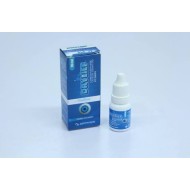
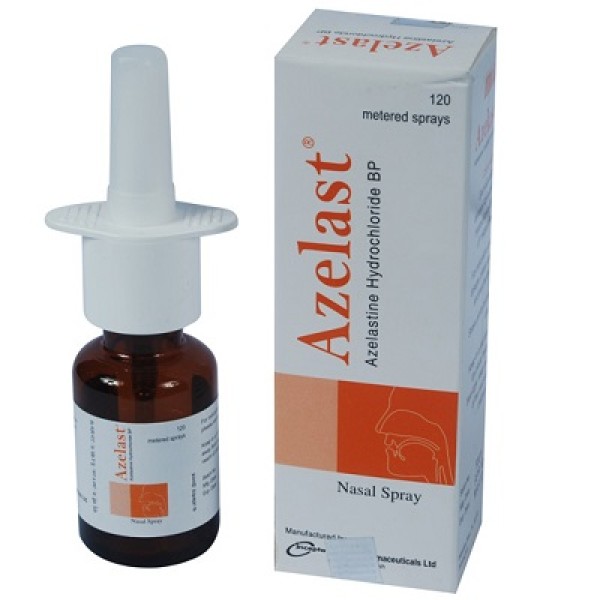
Azelast Nasal Spray (Azelastine HCl) — 120 Doses — Clinical Overview
| Attribute | Details |
|---|---|
| Brand Name | Azelast |
| Generic Name | Azelastine Hydrochloride |
| Pack Size | 120 doses nasal spray unit |
| Dosage Form | Nasal Spray Solution |
| Drug Class | Second-generation H1 Antihistamine (Intranasal) |
| Manufacturer | Incepta Pharmaceuticals Ltd., Bangladesh |
| Route of Administration | Intranasal |
About Azelast Nasal Spray
Azelast Nasal Spray is azelastine hydrochloride intranasal spray, 120 doses per unit, manufactured by Incepta Pharmaceuticals Ltd., Bangladesh. Azelastine is a second-generation selective H1 receptor antagonist (antihistamine) formulated for direct intranasal delivery, providing targeted relief from allergic rhinitis symptoms with minimal systemic antihistamine side effects. Unlike first-generation oral antihistamines (chlorphenamine, promethazine), azelastine nasal spray acts locally in the nasal mucosa within minutes of administration and does not typically cause sedation at therapeutic doses. This makes Azelast Nasal Spray a preferred option for patients who require daytime rhinitis management without cognitive impairment.
Incepta Pharmaceuticals Ltd. is one of Bangladesh's leading pharmaceutical manufacturers producing this locally accessible formulation of azelastine nasal spray, which is widely used globally for seasonal and perennial allergic rhinitis. Bangladesh has a high burden of allergic rhinitis driven by year-round exposure to dust mites, cockroach allergens, mould spores, and seasonal pollen from abundant tropical vegetation. Azelast Nasal Spray offers targeted, evidence-based relief for this widespread condition.
Mechanism of Action — Dual-Action Antihistamine and Anti-Inflammatory
Azelastine has a broader mechanism of action than simple H1 receptor blockade: H1 receptor antagonism — azelastine competitively and selectively blocks histamine H1 receptors in the nasal mucosa, preventing histamine-mediated symptoms including nasal pruritus (itching), sneezing, and rhinorrhoea (runny nose); mast cell stabilisation — azelastine inhibits the IgE-mediated degranulation of mast cells, reducing the release of inflammatory mediators including histamine, prostaglandins, and leukotrienes; anti-leukotriene activity — azelastine blocks cysteinyl leukotriene receptors, contributing to relief of nasal congestion (which is primarily leukotriene-mediated rather than histamine-mediated — an important advantage of azelastine over pure antihistamines); and inhibition of inflammatory cell recruitment — azelastine reduces the nasal influx of eosinophils and neutrophils in both the early and late phases of the allergic response. This multi-mechanism activity gives azelastine nasal spray a broader symptom profile than oral antihistamines, including meaningful relief of nasal congestion — a symptom oral antihistamines treat poorly.
Indications and Dosing
Azelast Nasal Spray is indicated for: seasonal allergic rhinitis (SAR) — rhinitis triggered by seasonal pollen exposure (grass, trees, weeds); and perennial allergic rhinitis (PAR) — year-round rhinitis typically triggered by dust mites, cockroaches, animal dander, or mould. Standard adult dosing: 1–2 sprays (140–280 mcg azelastine) per nostril twice daily (morning and evening); maximum 4 sprays per nostril per day. Children (5 years and above): 1 spray per nostril twice daily. Onset of action is rapid — significant symptom relief typically occurs within 15–30 minutes of the first use, which is faster than most oral antihistamines (which take 30–60 minutes to be absorbed and reach target tissues). The 120-dose pack provides approximately 30 days of treatment at the standard twice-daily 2-spray-per-nostril regimen.
Correct Nasal Spray Technique
Proper nasal spray technique is essential for effective drug delivery to the nasal mucosa and to prevent wasted doses. Correct technique for Azelast Nasal Spray: (1) Gently blow the nose to clear mucus before using the spray. (2) Shake the bottle gently. (3) Prime the pump before first use (or if unused for several days) by pressing 4–6 times until a fine mist appears. (4) Tilt the head slightly forward — do not tilt back. (5) Insert the nozzle into one nostril, pointing the tip slightly away from the nasal septum (towards the outer wall of the nostril). (6) Close the other nostril by pressing gently with a finger. (7) While breathing in slowly and gently through the nose, press down on the pump firmly and quickly to release one spray. (8) Breathe out through the mouth. (9) Repeat in the other nostril. (10) Avoid sniffing forcefully or tilting the head back immediately after spraying — this can cause the solution to drain into the throat (causing a bitter taste). (11) Wipe the nozzle with a clean tissue and replace the cap. The bitter or metallic taste that sometimes occurs after azelastine nasal spray is a known, harmless side effect — rinsing the mouth with water helps.
Frequently Asked Questions (FAQ)
Q1: How quickly does Azelast Nasal Spray work?
Azelast Nasal Spray typically provides significant symptom relief within 15–30 minutes of the first use — faster than most oral antihistamine tablets, which require 30–60 minutes for absorption and distribution. For maximum benefit, regular twice-daily use is recommended throughout the allergy season, rather than as-needed use only. With consistent regular use, Azelast controls both the early-phase allergic response (immediate sneezing and rhinorrhoea) and the late-phase inflammatory response (nasal congestion, blockage) that peaks 4–8 hours after allergen exposure.
Q2: Can Azelast Nasal Spray be used while driving?
Unlike first-generation oral antihistamines (chlorphenamine, promethazine) which cause significant sedation, azelastine nasal spray at standard doses causes minimal sedation in most patients because systemic absorption from the nasal mucosa is low. However, a small number of patients do experience mild drowsiness, particularly if they sniff the spray back or tilt the head back, allowing more drug to reach the systemic circulation via the nasopharyngeal route. If you experience any drowsiness after using Azelast Nasal Spray, avoid driving or operating machinery until you know how the medication affects you. The risk of drowsiness is lower with nasal spray than with oral azelastine tablets.
Q3: Can Azelast Nasal Spray be used during pregnancy?
Azelastine nasal spray is classified as Pregnancy Category C — animal studies have shown some embryotoxic effects at very high systemic doses not achievable with nasal administration, but human data are limited. The low systemic absorption from intranasal azelastine at therapeutic doses means fetal exposure is minimal. Pregnant women with severe allergic rhinitis should discuss the benefit-risk balance with their physician. In general, intranasal corticosteroid sprays (e.g., mometasone, budesonide nasal spray) are the preferred first-line treatment for allergic rhinitis in pregnancy due to a more established safety profile. If azelastine nasal spray is used in pregnancy, use the minimum effective dose and avoid first-trimester use if possible.
Q4: What is the difference between Azelast Nasal Spray and an intranasal corticosteroid spray?
Both are nasal sprays used for allergic rhinitis but have different mechanisms and indications: Azelast (azelastine) — antihistamine with fast onset (15–30 min), particularly effective for sneezing, itching, and rhinorrhoea; also provides meaningful relief of nasal congestion via its anti-leukotriene activity; onset is rapid making it suitable for immediate/as-needed relief; intranasal corticosteroids (e.g., mometasone, budesonide, fluticasone) — anti-inflammatory with slower onset (days to 2 weeks for full effect), most effective for nasal congestion and long-term symptom control; first-line for persistent moderate-to-severe allergic rhinitis. Combination azelastine + fluticasone nasal sprays (e.g., Dymista) are available for patients requiring both rapid relief and long-term inflammation control. For mild or intermittent symptoms, Azelast alone is appropriate. For persistent daily rhinitis with significant congestion, a corticosteroid spray or combination is preferred.
Medical Disclaimer: Azelast Nasal Spray information is for educational reference. Diagnosis of allergic rhinitis and appropriate treatment selection should be confirmed by a physician. If symptoms persist or worsen, or if nasal polyps or sinusitis are suspected, consult an ENT specialist or allergist.