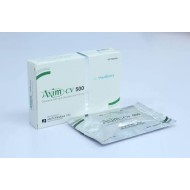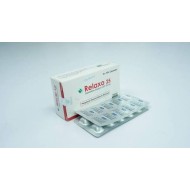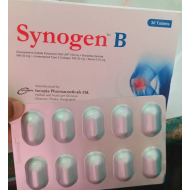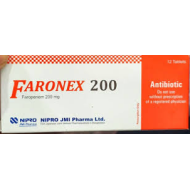
- Stock: In Stock
- Brand: Beximco Pharmaceutical
- Product ID: Mebhydrolin Napadisylate
🔒 100% Secure Payment | bKash | Nagad | SSLCommerz | COD
⭐ Become a FREE Member: 7% Extra Savings • Free Delivery • Refill Reminders • Priority Support
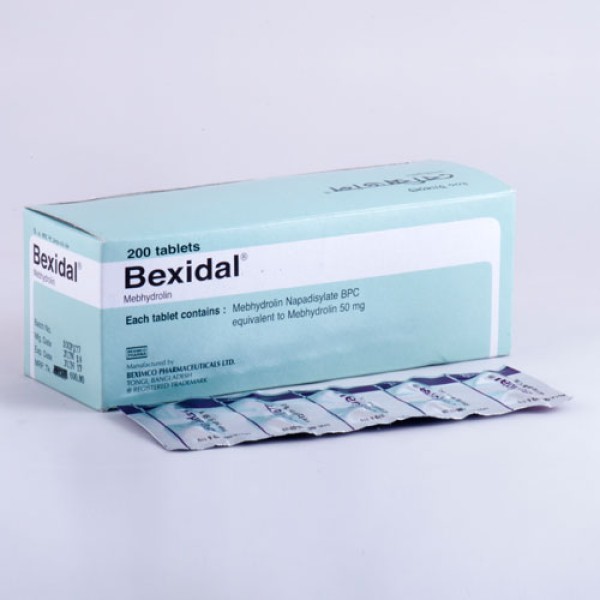
Bexidal 50mg Tablet — Mebhydrolin Napadisylate 50mg | Beximco Pharmaceuticals
| Generic Name | Mebhydrolin Napadisylate 50 mg |
| Dosage Form | Tablet |
| Drug Class | First-Generation Antihistamine (H₁ Receptor Antagonist) — Tetrahydrocarboline Derivative |
| Manufacturer | Beximco Pharmaceuticals Ltd. |
| Sedation Profile | Moderate sedation (first-generation antihistamine) |
| Prescription Status | OTC — Available without prescription |
Overview
Bexidal 50mg contains Mebhydrolin Napadisylate — a first-generation antihistamine with moderate sedating properties. Mebhydrolin is structurally distinct from classical first-generation antihistamines (like chlorpheniramine or promethazine) as a tetrahydrocarboline derivative, but shares the same mechanism: competitive antagonism of peripheral and central H₁ histamine receptors. It effectively reduces allergic symptoms including sneezing, runny nose, itching, and urticaria. Compared to strongly sedating antihistamines like promethazine, mebhydrolin causes moderate sedation, making it tolerable for daytime use in many patients, though caution is still needed for driving. It is widely used in Bangladesh and other Asian countries for allergic conditions.
Mechanism of Action
Mebhydrolin competitively blocks H₁ histamine receptors in smooth muscle, blood vessels, and sensory nerve endings, preventing histamine-mediated vasodilation, oedema, itching, and bronchoconstriction. As a first-generation antihistamine, it crosses the blood-brain barrier and also has sedative, anticholinergic, and anti-motion sickness properties — effects that are absent or minimal with second-generation antihistamines like cetirizine.
Indications
- Allergic Rhinitis — seasonal and perennial; sneezing, runny nose, nasal congestion, itchy eyes
- Urticaria (Hives) — acute allergic urticaria, chronic urticaria
- Allergic Skin Reactions — contact dermatitis, drug rashes, insect bite reactions
- Atopic Dermatitis / Eczema — pruritus (itching) relief
- Hay Fever — seasonal pollen allergy
- Allergic Conjunctivitis — itchy, watery eyes
- Pruritus (itching from any allergic cause)
- Angioedema (mild non-anaphylactic) — adjunct treatment
Dosage & Administration
| Patient Group | Dose | Frequency | Notes |
|---|---|---|---|
| Adults | 50–100 mg (1–2 tablets) | Three times daily (TDS) | After meals to reduce GI upset |
| Children 5–12 years | 25–50 mg | Three times daily | Weight-based; consult physician |
| Elderly patients | 50 mg | Once or twice daily | Increased sensitivity; anticholinergic risk |
Take with or after food to reduce gastric irritation. Duration: typically 5–7 days for acute allergic reactions; longer for chronic conditions under physician guidance.
Special Note for Diabetic Patients
First-generation antihistamines like mebhydrolin require particular caution in diabetic patients: (1) Hypoglycaemia masking: Sedating antihistamines can blunt adrenergic warning symptoms of hypoglycaemia (tremor, palpitations, sweating) — monitor blood glucose more frequently, especially when driving; (2) Anticholinergic effects: Can cause urinary retention (problematic in men with diabetic autonomic neuropathy and BPH) and worsen constipation (common with diabetic autonomic neuropathy); (3) Sedation + driving risk: Diabetics taking insulin or sulfonylureas who may experience hypoglycaemia should be especially cautious about antihistamine-induced sedation; (4) Preferred alternatives: For diabetic patients requiring long-term antihistamine therapy, second-generation antihistamines (cetirizine, levocetirizine, fexofenadine) are generally preferred due to lower sedation and fewer anticholinergic effects. Mebhydrolin is suitable for short-term acute allergy management in diabetics where sedation is acceptable.
Side Effects
- CNS: Drowsiness, sedation (moderate — less than promethazine, more than cetirizine), dizziness
- Anticholinergic: Dry mouth, urinary retention, constipation, blurred vision
- GI: Nausea, epigastric discomfort — take with food
- Cardiovascular: Tachycardia (anticholinergic effect) at higher doses
Contraindications
- Hypersensitivity to mebhydrolin
- Prostatic hypertrophy with urinary retention risk
- Narrow-angle glaucoma
- Epilepsy (may lower seizure threshold)
- Neonates and premature infants
- Concurrent use with MAO inhibitors
Drug Interactions
| Drug | Interaction | Action |
|---|---|---|
| Alcohol / CNS depressants / Opioids | Additive CNS/respiratory depression — potentially dangerous | Strictly avoid alcohol; use with extreme caution |
| MAO Inhibitors | Prolonged and intensified anticholinergic effects | Contraindicated |
| Anticholinergic drugs | Additive anticholinergic toxicity | Use caution; monitor for urinary retention, confusion |
| Benzodiazepines / Sedatives | Enhanced sedation | Reduce doses; avoid combination if possible |
Storage
Store below 30°C in a dry place, protected from light. Keep out of reach of children.
FAQ
Q1: How does Bexidal (Mebhydrolin) compare to cetirizine for allergy?
Both are effective antihistamines. Cetirizine (second-generation) is preferred for: daytime use, driving, long-term treatment, elderly patients, and patients where anticholinergic side effects are a concern. Mebhydrolin (first-generation) may be preferred when: sedation is acceptable or desired (e.g., nighttime dosing for urticaria-related itching that disturbs sleep), or when the patient has previously responded well to it. For most patients, cetirizine or levocetirizine is the modern preferred choice.
Q2: Can I drive after taking Bexidal?
Caution is advised. Mebhydrolin causes moderate sedation in most people. Do not drive or operate heavy machinery until you know how it affects you. Sedation is most pronounced 1–3 hours after taking a dose. If you must drive, consider switching to a non-sedating alternative like cetirizine (Cerivin).
Q3: Can Bexidal be taken with paracetamol for cold and allergy symptoms?
Yes — mebhydrolin and paracetamol can be combined safely for cold/flu symptoms with allergy component. This combination addresses fever/pain (paracetamol) and nasal/allergy symptoms (mebhydrolin). However, avoid alcohol with this combination, and do not add other antihistamine-containing cold remedies simultaneously.
Medical Disclaimer: Educational information only. Mebhydrolin causes sedation — do not drive or operate machinery until you know your response. Avoid alcohol. Keep out of reach of children.