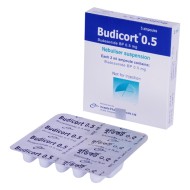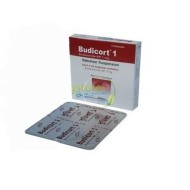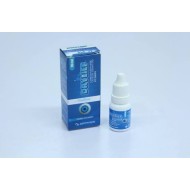
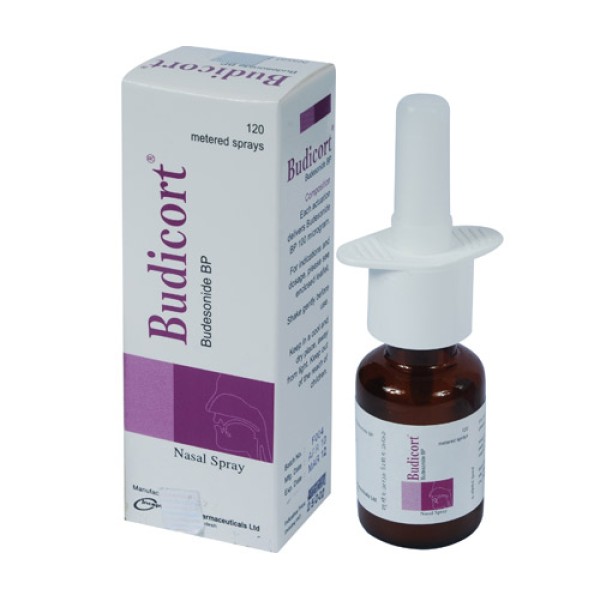
- Stock: In Stock
- Brand: Incepta Pharmaceuticals
- Product ID: Budesonide
🔒 100% Secure Payment | bKash | Nagad | SSLCommerz | COD
⭐ Become a FREE Member: 7% Extra Savings • Free Delivery • Refill Reminders • Priority Support
| Generic Name | Budesonide |
| Brand Name | Budicort Nasal Spray |
| Manufacturer | Incepta Pharmaceuticals Ltd. |
| Dosage Form | Nasal Spray (Metered Dose) |
| Strength | 100 mcg/spray |
| Pack Size | 120 sprays/bottle |
| Drug Class | Intranasal Corticosteroid |
| Prescription Required | Yes |
What is Budicort Nasal Spray?
Budicort Nasal Spray contains Budesonide, a potent non-halogenated synthetic corticosteroid with anti-inflammatory activity. When administered intranasally, it acts locally to reduce nasal mucosal inflammation with minimal systemic absorption at recommended doses.
Indications
Budicort Nasal Spray is indicated for: Prophylaxis and treatment of perennial and seasonal allergic rhinitis (hay fever); Treatment of vasomotor rhinitis; Reduction of nasal polyp formation.
Pharmacology
Budesonide binds to glucocorticoid receptors in nasal mucosal cells, reducing the release of inflammatory mediators including prostaglandins, leukotrienes, histamine and cytokines. It has a high first-pass metabolism resulting in low systemic bioavailability (~11%) when administered intranasally. Plasma protein binding is ~85–90%. Half-life is 2–3 hours. Primarily metabolised by CYP3A4 in the liver.
Dosage & Administration
Adults and children ≥6 years:
- Starting dose: 2 sprays (200 mcg) into each nostril once daily in the morning, or 1 spray (100 mcg) into each nostril twice daily (morning and evening)
- Once symptoms are controlled, the dose may be reduced to 1 spray (100 mcg) into each nostril once daily
- Maximum daily dose: 400 mcg (4 sprays total per day)
Children 6–12 years:
- 1 spray (100 mcg) into each nostril twice daily (morning and evening), or 2 sprays (200 mcg) into each nostril in the morning
- Maximum daily dose: 200 mcg
Shake the bottle gently before use. Blow the nose gently before spraying. Direct the nozzle away from the nasal septum and aim slightly outwards. Therapeutic effect is usually observed within 1–2 days; maximum benefit may take up to 2 weeks of regular use.
Interaction
CYP3A4 inhibitors (e.g., itraconazole, ketoconazole, ritonavir) can significantly increase plasma budesonide concentrations and risk of systemic corticosteroid effects. Concomitant use should be avoided or closely monitored.
Contraindications
Contraindicated in patients with hypersensitivity to budesonide or any component of the formulation. Active or quiescent pulmonary tuberculosis, or untreated fungal, bacterial or viral infections of the nasal mucosa.
Side Effects
Common: nasal irritation, dryness, epistaxis (nosebleeds), sneezing, throat irritation, headache. Rare: nasal septal perforation with prolonged use; systemic corticosteroid effects (adrenal suppression, growth retardation in children) with excessive doses.
Pregnancy & Lactation
FDA Pregnancy Category B. Intranasal budesonide is considered relatively safe during pregnancy at recommended doses. Excreted in breast milk in very low amounts — generally considered acceptable during breastfeeding at recommended doses.
Precautions & Warnings
Monitor for nasal septal perforation or ulceration with long-term use. In patients transferring from systemic corticosteroids, monitor for signs of adrenal insufficiency. Growth of paediatric patients on prolonged intranasal corticosteroids should be monitored routinely. Avoid concurrent use of other inhaled or intranasal corticosteroids unless directed by a physician.
Use in Special Populations
Use with caution in hepatic impairment (reduced metabolism). No dose adjustment required in renal impairment. Not recommended for children under 6 years for allergic rhinitis.
Therapeutic Class
Intranasal corticosteroid (Glucocorticoids)
Storage Conditions
Store at room temperature below 30°C. Do not freeze. Keep upright. Keep out of the reach of children.
Disclaimer: This product information is for reference purposes only and does not substitute professional medical advice, diagnosis, or treatment. Always consult a registered physician or qualified healthcare professional before taking any medication.