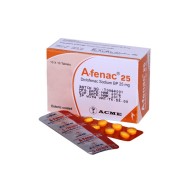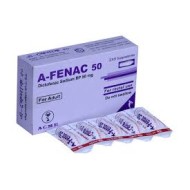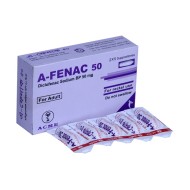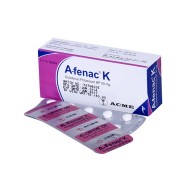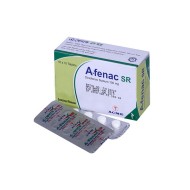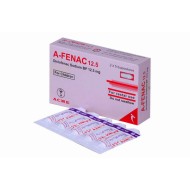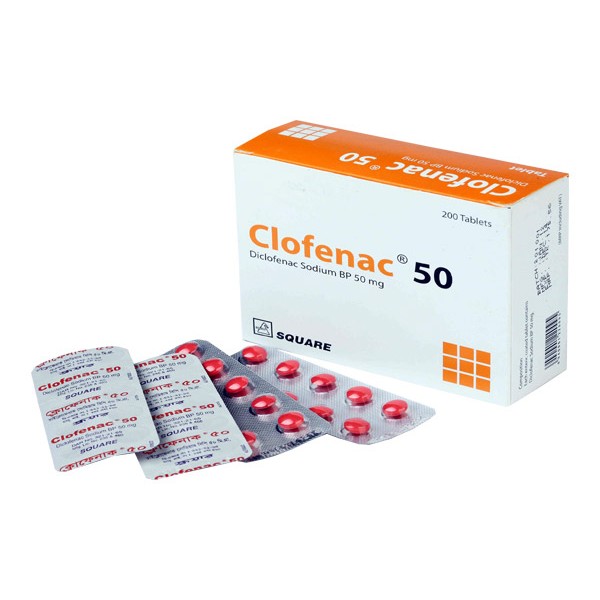
- Stock: In Stock
- Brand: Square Pharmaceuticals
- Product ID: Diclofenac Sodium
🔒 100% Secure Payment | bKash | Nagad | SSLCommerz | COD
⭐ Become a FREE Member: 7% Extra Savings • Free Delivery • Refill Reminders • Priority Support
| Generic Name | Diclofenac Sodium |
| Strength | 50 mg |
| Dosage Form | Tablet |
| Manufacturer | Square Pharmaceuticals PLC |
| Therapeutic Class | Non-steroidal Anti-inflammatory Drugs (NSAIDs) |
| Pack Size | 20 x 10's Tablet (Strip) |
Overview
Clofenac 50 mg Tablet is a non-steroidal anti-inflammatory drug (NSAID) manufactured by Square Pharmaceuticals PLC, containing Diclofenac Sodium. It is widely used for relief of pain, inflammation and fever in a range of rheumatic, surgical, dental and gynecological conditions.
Indications
Clofenac is indicated in:
Rheumatology: Inflammatory and degenerative forms of rheumatism, chronic involutive polyarthritis, ankylosing spondylarthritis, osteoarthritis, spondylarthroses, acute gout, peri-articular rheumatic disorders.
Surgery and Traumatology: Sprain, bruises, dislocations, fractures, soft tissue injuries, surgical interventions.
Obstetrics and Gynecology: Primary dysmenorrhoea, episiotomy, adnexitis, endometritis, parametritis, salpingitis, and mastitis.
Otorhinolaryngology: As pre-operative medication for the prevention of pain, inflammation, and swelling.
Dentistry: Post-operative and post-traumatic pain, inflammation, and swelling.
Other indications: For prevention of pain and treatment of inflammation and swelling in patients operated on the urogenital tract, renal and biliary colic.
Pharmacology
Diclofenac Sodium is a potent NSAID with pronounced anti-rheumatic, anti-inflammatory, analgesic and antipyretic properties, with some uricosuric effect. It exerts its effect by inhibiting prostaglandin biosynthesis. Diclofenac is rapidly and completely absorbed from the GI tract when taken with or after meals, reaching peak plasma concentrations within an average of 2 hours. It is 99.7% bound to plasma proteins and metabolized in the liver via first pass metabolism.
Dosage and Administration
Diclofenac FC Tablet: Adults: 75-150 mg daily in 2 to 3 divided doses, preferably after food. Dose should be reduced for long-term use.
Interaction
Lithium and digoxin: Diclofenac may increase plasma concentrations of lithium and digoxin.
Anticoagulants: Isolated reports of increased haemorrhage risk with combined use.
Antidiabetic agents: Can be co-administered without influencing clinical effect.
Cyclosporin: Cases of nephrotoxicity reported with concomitant use.
Methotrexate: Serious toxicity reported when given within 24 hours of NSAIDs.
Quinolone antimicrobials: Convulsions may occur due to interaction with NSAIDs.
Other NSAIDs and steroids: Co-administration may increase frequency of unwanted effects.
Contraindications
Contraindicated in patients hypersensitive to any ingredient, those with peptic ulcer, and asthmatic patients in whom attacks of asthma, urticaria or acute rhinitis are precipitated by acetylsalicylic acid or other NSAIDs.
Side Effects
Generally well tolerated. Adverse effects are mild, rare and transient — epigastric pain, eructation, nausea, diarrhea, dizziness or headache. Peripheral edema and skin reactions such as rash and eczema have also been reported.
Pregnancy and Lactation
Should be used during pregnancy only for compelling reasons, at the lowest effective dose, and is not recommended in the first trimester. A very insignificant quantity may be detected in breast milk with no expected undesirable effect on the infant.
Precautions and Warnings
In rare instances, peptic ulceration or gastrointestinal bleeding may occur. Patients of advanced age should be kept under close observation.
Storage Conditions
Store in a cool and dry place, protected from light. Store below 30°C. Keep out of the reach of children.
Frequently Asked Questions
1. What is Clofenac 50 mg Tablet used for?
It is used to relieve pain, inflammation and fever in conditions such as arthritis, gout, post-surgical and dental pain, and dysmenorrhoea.
2. How should Clofenac 50 mg Tablet be taken?
It is usually taken 2-3 times daily after food, with the total daily dose not exceeding 150 mg, as advised by a physician.
Disclaimer: This information is provided for educational purposes only and is not intended as a substitute for professional medical advice, diagnosis, or treatment. Always consult a registered physician before starting, stopping, or changing any medication.