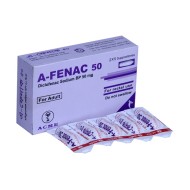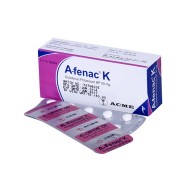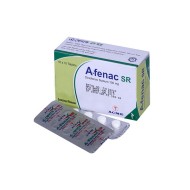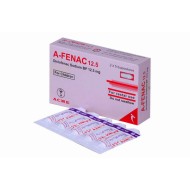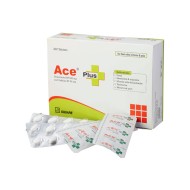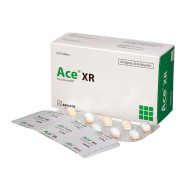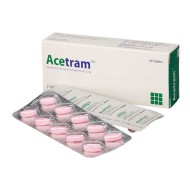
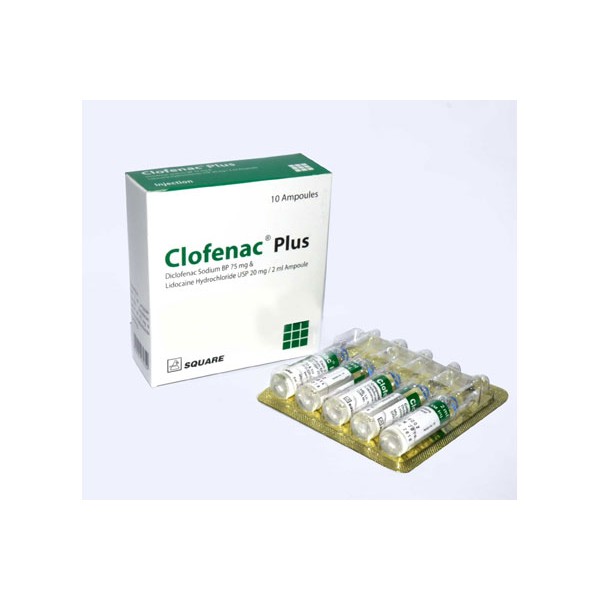
- Stock: Out Of Stock
- Brand: Square Pharmaceuticals
- Product ID: Diclofenac Sodium + Lidocaine Hydrochloride
Available Options
🔒 100% Secure Payment | bKash | Nagad | SSLCommerz | COD
⭐ Become a FREE Member: 7% Extra Savings • Free Delivery • Refill Reminders • Priority Support
This Item is for pre order
| Generic Name | Diclofenac Sodium + Lidocaine Hydrochloride |
| Strength | (75 mg+20 mg)/2 ml |
| Dosage Form | IM Injection |
| Manufacturer | Square Pharmaceuticals PLC |
| Therapeutic Class | Non-steroidal Anti-inflammatory Drugs (NSAIDs) |
| Pack Size | 2 x 5's Ampoule (2 ml) |
Overview
Clofenac Plus IM Injection is manufactured by Square Pharmaceuticals PLC, combining Diclofenac Sodium with Lidocaine Hydrochloride. The local anaesthetic Lidocaine helps minimize the pain that may occur at the intramuscular injection site, while Diclofenac provides potent anti-inflammatory and analgesic action.
Indications
The injection contains Diclofenac Sodium that is used to relieve all grades of pain and inflammation in a wide range of conditions including:
Arthritic conditions such as rheumatoid arthritis, osteoarthritis, juvenile chronic arthritis, ankylosing spondylitis, and acute gout. Acute musculoskeletal disorders such as periarthritis (e.g., frozen shoulder), tendinitis, tenosynovitis, and bursitis. Other painful conditions resulting from trauma including fracture, low back pain, sprains, strains, dislocations, control of pain and inflammation in orthopaedic, dental and other minor surgeries, postoperative pain, and renal colic.
The injection also contains Lidocaine, a local anaesthetic, which minimizes pain at the injection site that is most likely to occur after intramuscular injection.
Pharmacology
Diclofenac Sodium is a potent NSAID with marked analgesic and antipyretic properties and some uricosuric effects, acting through inhibition of cyclooxygenase and prostaglandin synthesis. Peak plasma concentration is achieved within half an hour of injection. Lidocaine is a rapid-acting, stable local anaesthetic that impairs nerve impulse generation and conduction by slowing depolarization; its onset of anaesthesia is rapid, with a duration of 1-2 hours.
Dosage and Administration
Adult: One ampoule once (or in severe cases, twice) daily by intramuscular injection.
Renal colic: One ampoule once daily intramuscularly; a second dose may be given after 30 minutes if necessary.
Children: In juvenile chronic arthritis, 1-3 mg of Diclofenac Sodium per kg body weight daily in divided doses.
Elderly patients: The lowest effective dosage is recommended, commensurate with age and physical status.
Interaction
Lithium and Digoxin: May increase plasma concentrations of lithium and digoxin.
Anticoagulants: Isolated reports of increased haemorrhage risk.
Antidiabetic agents: Can be co-administered without influencing clinical effect.
Cyclosporin: Nephrotoxicity reported with concomitant use.
Methotrexate: Serious toxicity reported when given within 24 hours of NSAIDs.
Quinolone antimicrobials: Convulsions may occur due to interaction with NSAIDs.
Diuretics: NSAIDs may inhibit diuretic activity; potassium-sparing diuretics combined with this injection may raise serum potassium, which should be monitored.
Contraindications
Contraindicated in patients hypersensitive to Diclofenac, those with active or suspected peptic ulcer or GI bleeding, and asthmatic patients whose attacks are precipitated by Aspirin or other NSAIDs. Also contraindicated in patients hypersensitive to amide-type local anaesthetics (due to Lidocaine), patients with Adams-Stokes syndrome or severe SA/AV/intraventricular heart block without a pacemaker, and those hypersensitive to the excipients (Sodium Metabisulphite, Disodium Edetate, Benzyl Alcohol, Sodium Hydroxide, Propylene Glycol).
Side Effects
Usually mild and transient. Gastrointestinal discomfort, nausea, diarrhea, and occasionally bleeding may occur. Injection site disorders, abscesses or local necrosis may rarely occur. Lidocaine-related CNS effects include drowsiness, dizziness, disorientation, confusion and lightheadedness, usually dose-related and of short duration.
Pregnancy and Lactation
Should not be prescribed during pregnancy unless there are compelling reasons, using the lowest effective dose; not recommended during the last trimester. Very small quantities of Diclofenac may be detected in breast milk with no expected undesirable effects on the infant.
Precautions and Warnings
Renal: Patients with severe hepatic, cardiac or renal insufficiency, or the elderly, should be closely monitored as NSAIDs may impair renal function; the lowest effective dose should be used.
Hepatic: If abnormal liver function persists or worsens, or signs of liver disease develop, Diclofenac should be discontinued. Long-term NSAID use should be monitored with periodic renal, hepatic and blood count checks.
Storage Conditions
Keep below 30°C temperature, away from light and moisture. Keep out of the reach of children.
Frequently Asked Questions
1. What is Clofenac Plus IM Injection used for?
It is used for rapid relief of moderate to severe pain and inflammation in arthritic, musculoskeletal, post-traumatic, and post-surgical conditions, including renal colic.
2. Why does this injection contain Lidocaine?
Lidocaine is a local anaesthetic added to minimize the pain that can occur at the intramuscular injection site.
Disclaimer: This information is provided for educational purposes only and is not intended as a substitute for professional medical advice, diagnosis, or treatment. Always consult a registered physician before starting, stopping, or changing any medication.