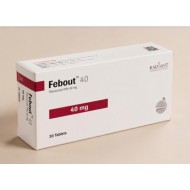
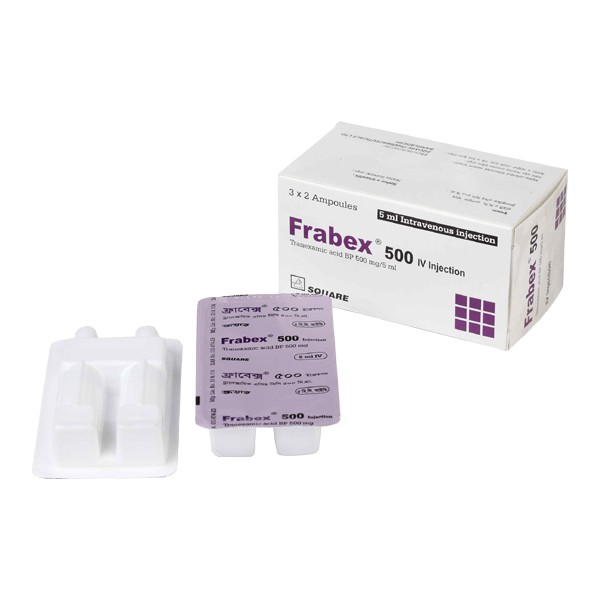
- Stock: In Stock
- Brand: Square Pharmaceuticals
- Product ID: Tranexamic acid
Available Options
🔒 100% Secure Payment | bKash | Nagad | SSLCommerz | COD
⭐ Become a FREE Member: 7% Extra Savings • Free Delivery • Refill Reminders • Priority Support
| Generic Name | Tranexamic Acid |
|---|---|
| Strength | 500 mg/5 ml |
| Dosage Form | Injection |
| Manufacturer | Square Pharmaceuticals PLC |
| Therapeutic Class | Anti-fibrinolytic Drugs, Haemostatic Drugs |
| Pack Size | 3 × 2 ampoules (6 ampoules per pack) |
Overview
Frabex Injection (Tranexamic Acid 500 mg/5 ml) is a parenteral anti-fibrinolytic agent used in clinical settings where rapid control of haemorrhage is required. Tranexamic acid competitively inhibits the activation of plasminogen to plasmin, thereby stabilising fibrin clots and reducing blood loss. It is indicated for prophylaxis and treatment of haemorrhage in surgery, trauma, obstetrics, urology, oncology, and ophthalmology, and is particularly valuable in acute settings where oral administration is not feasible.
Dosage and Administration
The injection is administered intravenously. The usual adult dose is 500–1000 mg (5–10 ml) by slow intravenous injection (at a rate not exceeding 100 mg/minute) two to three times daily. In surgical prophylaxis, 10 mg/kg body weight is given intravenously shortly before the procedure. For children, the dose is 5–10 mg/kg body weight per day. The dose should be reduced in patients with renal impairment. Administer only under medical supervision.
Interaction
Tranexamic acid is physically incompatible with penicillins and blood products in the same infusion line. Thrombolytic agents (streptokinase, urokinase) directly antagonise its action. Concurrent use with oestrogens or factor IX complex concentrates increases the risk of thromboembolic complications and should be avoided.
Contraindications
Contraindicated in patients with hypersensitivity to tranexamic acid, active thromboembolic disease (DVT, pulmonary embolism, cerebral thrombosis), subarachnoid haemorrhage, and severe renal failure. Should not be used in patients with disseminated intravascular coagulation (DIC) except under specialist supervision.
Side Effects
Rapid intravenous injection may cause hypotension, dizziness, and nausea. Other reported effects include vomiting, diarrhoea, thromboembolic events (rare), visual disturbances (with prolonged use), and allergic skin reactions. Intracranial thrombosis has been reported in rare cases.
Pregnancy and Lactation
Tranexamic acid crosses the placenta. Use during pregnancy only when clearly indicated, with careful benefit-risk assessment. It is present in breast milk at low concentrations (approximately 1% of maternal plasma levels); use with caution during breastfeeding and only under physician guidance.
Precautions and Warnings
Administer by slow intravenous injection to avoid hypotension. Use with caution in patients with a history of thromboembolic events or those with active cardiovascular risk factors. Long-term use requires periodic ophthalmic examination. Dose adjustment is mandatory in patients with renal impairment. This formulation is for hospital/clinical use and must be administered by a qualified healthcare professional.
Storage Conditions
Store at 15–30°C, in a dry place, protected from light. Keep out of reach of children. Do not use if the solution is discoloured or contains visible particles.
Frequently Asked Questions
Q: What is the difference between Frabex Tablet and Frabex Injection?
A: Both contain the same active ingredient (tranexamic acid 500 mg) and have the same anti-fibrinolytic mechanism. The injection is used in acute or surgical settings where rapid action is needed or oral intake is not possible, while tablets are suitable for outpatient or maintenance therapy.
Q: Can Frabex Injection be mixed with other infusion fluids?
A: Tranexamic acid injection can be mixed with most standard intravenous fluids (normal saline, dextrose solutions, Ringer's solution). However, it must not be mixed in the same line as penicillins or blood products. Always confirm compatibility before admixture.