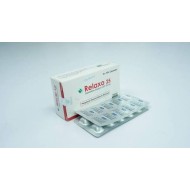

- Stock: In Stock
- Product ID: Furosemide
Available Options
🔒 100% Secure Payment | bKash | Nagad | SSLCommerz | COD
⭐ Become a FREE Member: 7% Extra Savings • Free Delivery • Refill Reminders • Priority Support
| Generic Name | Furosemide + Spironolactone |
|---|---|
| Strength | 40 mg + 50 mg |
| Dosage Form | Tablet |
| Manufacturer | Square Pharmaceuticals PLC |
| Therapeutic Class | Potassium-sparing Diuretics & Aldosterone Antagonists |
| Pack Size | 2 × 20 tablets |
Overview
Fusid Plus (Furosemide + Spironolactone) is a fixed-dose combination diuretic that pairs a potent loop diuretic with a potassium-sparing aldosterone antagonist. Furosemide produces rapid and substantial diuresis by blocking sodium reabsorption in the ascending loop of Henle, while spironolactone prevents the secondary potassium loss by competitively inhibiting aldosterone at the collecting tubule. This synergistic combination is used in the management of essential hypertension, congestive heart failure, hepatic cirrhosis with ascites, oedematous states, and primary or secondary hyperaldosteronism.
Dosage and Administration
The dose is individualised based on the clinical indication and patient response. Typical adult dosing is 1–2 tablets once daily in the morning. For resistant oedema or more severe fluid retention, the dose may be increased under medical supervision. Tablets should be swallowed whole with water, with or without food. Take in the morning to avoid nighttime diuresis disrupting sleep.
Interaction
ACE inhibitors, ARBs, and potassium supplements combined with spironolactone risk dangerous hyperkalaemia — monitor serum potassium closely. Digoxin toxicity may be enhanced by electrolyte disturbance caused by furosemide. NSAIDs reduce diuretic efficacy and may precipitate acute renal failure. Furosemide reduces lithium clearance, elevating plasma lithium to potentially toxic levels. Aminoglycosides used concomitantly increase ototoxicity risk.
Contraindications
Contraindicated in anuria, acute renal insufficiency, creatinine clearance below 30 ml/min, pre-existing hyperkalaemia, Addison's disease, and known hypersensitivity to furosemide, sulphonamides, or spironolactone. Not to be used with other potassium-sparing diuretics without close monitoring.
Side Effects
Hyperkalaemia (particularly in renal impairment or with concurrent ACE inhibitors), hyponatraemia, and dehydration are the main electrolyte risks. Postural hypotension, muscle cramps, nausea, and elevated uric acid may also occur. Long-term spironolactone use can cause gynaecomastia, menstrual irregularities, and erectile dysfunction. Furosemide may impair glucose tolerance.
Pregnancy and Lactation
Both furosemide and spironolactone cross the placenta; spironolactone exhibits anti-androgenic effects in animals. Use only if clearly necessary, under close medical supervision. Both agents are excreted in breast milk; breastfeeding is not recommended during treatment.
Precautions and Warnings
Regular monitoring of serum electrolytes (especially potassium and sodium), renal function, and blood pressure is essential throughout treatment. The dose should be titrated carefully to balance effective diuresis against electrolyte safety. Use with caution in elderly patients, patients with diabetes mellitus, and those with hepatic cirrhosis, as electrolyte disturbances may precipitate hepatic encephalopathy.
Storage Conditions
Store in a cool, dry place, protected from light. Keep out of reach of children.
Frequently Asked Questions
Q: What is the advantage of Fusid Plus over plain furosemide?
A: The addition of spironolactone reduces the risk of hypokalaemia (low potassium) that furosemide alone causes. Hypokalaemia can trigger dangerous heart arrhythmias, especially in patients on digoxin. The combination also enhances diuretic efficacy through complementary mechanisms, particularly in conditions such as liver cirrhosis where aldosterone levels are elevated.
Q: How often should electrolytes be monitored on Fusid Plus?
A: Electrolytes should be checked before starting treatment, again after 1–2 weeks, and then regularly (every 1–3 months) during ongoing therapy, or more frequently if the dose is changed or if the patient has renal impairment or develops symptoms of electrolyte imbalance such as muscle weakness, irregular heartbeat, or unusual fatigue.