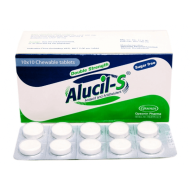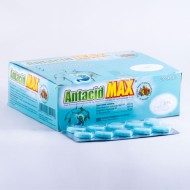
- Stock: Out Of Stock
- Brand: Beximco Pharmaceutical
- Product ID: Aluminium Hydroxide + Magnesium Hydroxide
🔒 100% Secure Payment | bKash | Nagad | SSLCommerz | COD
⭐ Become a FREE Member: 7% Extra Savings • Free Delivery • Refill Reminders • Priority Support
This Item is for pre order
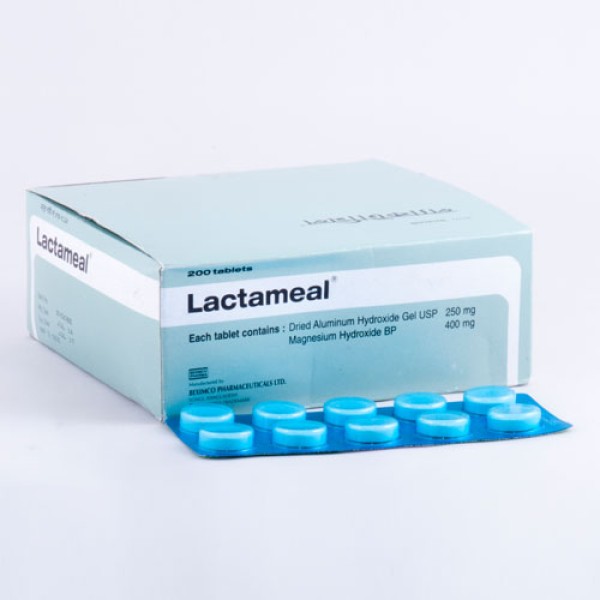
Lactameal Antacid Tablet — Aluminium Hydroxide + Magnesium Hydroxide | Beximco Pharmaceuticals
| Active Ingredients | Aluminium Hydroxide + Magnesium Hydroxide per tablet |
| Dosage Form | Chewable Tablet |
| Drug Class | Antacid — Aluminium-Magnesium Combination |
| Manufacturer | Beximco Pharmaceuticals Ltd. |
| Brand Equivalents | Maalox Tablet, Gelusil Tablet (same dual-component formula) |
| Prescription Status | Over-the-Counter (OTC) — no prescription required |
Overview
Lactameal Antacid Tablet is a dual-action antacid combining Aluminium Hydroxide and Magnesium Hydroxide in a convenient chewable tablet form. This classic combination is designed to balance the individual side effects of each component: aluminium hydroxide alone causes constipation, while magnesium hydroxide alone causes diarrhoea — together, they provide effective, sustained acid neutralisation with a neutral bowel effect for most patients. The combination provides good acid neutralising capacity with prolonged duration of action compared to single-component antacids. Aluminium also has a mild mucosal protective effect by binding to ulcer surfaces and stimulating mucus secretion.
How It Works
| Component | Chemical Reaction | Effect | Bowel Effect |
|---|---|---|---|
| Aluminium Hydroxide Al(OH)₃ | Al(OH)₃ + 3HCl → AlCl₃ + 3H₂O | Sustained acid neutralisation; mucosal coating; phosphate binding | Constipating |
| Magnesium Hydroxide Mg(OH)₂ | Mg(OH)₂ + 2HCl → MgCl₂ + 2H₂O | Rapid, potent acid neutralisation | Mild laxative |
| Combined | Both reactions in GI tract | Fast + sustained acid neutralisation | Balanced — neutral bowel effect |
Indications
- Hyperacidity / Acid Dyspepsia — post-meal burning, sour stomach, acid taste
- Gastritis — acute and chronic gastric mucosal inflammation
- Peptic Ulcer Disease — symptomatic relief (adjunct; use PPI for definitive treatment)
- Heartburn & GERD — symptomatic relief
- Drug-induced gastric irritation — NSAIDs, antibiotics, aspirin
- Stress-related mucosal disease — prophylaxis in ICU/hospitalised patients (typically IV antacid or PPI preferred)
Dosage & Administration
| Indication | Dose | Timing |
|---|---|---|
| Acidity / Gastritis / Heartburn | 1–2 tablets | 1–3 hours after meals and at bedtime (4× daily) |
| Acute acidity episode | 1–2 tablets | As needed (chew thoroughly) |
| NSAID-induced gastric irritation | 1–2 tablets | 30–60 min after NSAID dose |
| Children 6–12 years | 1 tablet | After meals |
| Maximum daily dose (adults) | 12 tablets/day | Do not exceed; limit continuous use to 2 weeks without review |
Chew thoroughly before swallowing for fastest action — chewing increases surface area for reaction with gastric acid. Follow with a small glass of water. Take 1–3 hours after meals for best effect. Maintain 2-hour gap from other medications.
Special Note for Diabetic Patients
Same key interactions as Flatameal DS suspension: (1) 2-hour separation rule — take Lactameal antacid at least 2 hours away from metformin, fluoroquinolone antibiotics, levothyroxine, and iron supplements, as aluminium/magnesium ions impair their absorption; (2) Renal precaution: Avoid magnesium-containing antacids in diabetics with eGFR <30 mL/min (risk of magnesium accumulation); prefer calcium carbonate antacid if antacid is required in severe CKD; (3) Phosphate binder effect: Al(OH)₃ acts as a phosphate binder — useful in diabetics with CKD and hyperphosphataemia, but must be coordinated with nephrologist; (4) No glucose effect: Aluminium hydroxide and magnesium hydroxide do not affect blood glucose directly.
Drug Interactions
| Drug Class | Interaction | Interval Required |
|---|---|---|
| Fluoroquinolone antibiotics | Chelation — antibiotic rendered ineffective | 2h before or 6h after antacid |
| Tetracyclines | Chelation | 2–3h separation |
| Iron supplements | Reduced iron absorption | 2h separation |
| Levothyroxine (T4) | Reduced T4 absorption by Al(OH)₃ | 4h separation (take T4 first) |
| Ketoconazole / Itraconazole | Require acid for absorption; antacid impairs | 2h separation (antifungal first) |
| Digoxin / Phenytoin | Reduced absorption with antacids | 2h separation |
Side Effects
- Constipation — if aluminium component predominates; counterbalanced by magnesium
- Diarrhoea — if magnesium component predominates at high doses
- Hypophosphataemia — with prolonged high-dose use; causes weakness and bone pain
- Hypermagnesaemia — in severe renal impairment (toxicity: hypotension, bradycardia, respiratory depression)
- Aluminium accumulation — in dialysis patients; avoid chronic use in ESRD
Storage
Store below 30°C in a dry place, away from moisture. Keep out of reach of children.
FAQ
Q1: What is the difference between Lactameal Tablet and Flatameal DS Suspension?
Both are Beximco antacid products with Al(OH)₃ + Mg(OH)₂ as the core antacid combination. Flatameal DS Suspension additionally contains Simethicone for gas and bloating relief, making it preferable when flatulence/bloating is a prominent symptom. Lactameal Tablet is a portable, convenient chewable tablet without simethicone — suitable when acid symptoms are the primary complaint without significant gas. The suspension may act slightly faster than the tablet as it disperses immediately.
Q2: Can I take Lactameal Antacid with my blood pressure or heart medication?
Yes, with timing precaution. Most antihypertensive and cardiac medications are not significantly affected by antacids at standard doses. The main exceptions are digoxin (antacids reduce absorption — separate by 2 hours) and some calcium channel blockers. Take your regular medications first and wait at least 2 hours before taking Lactameal antacid.
Q3: Is Lactameal Antacid safe during pregnancy?
Aluminium-magnesium antacids are generally considered safe for occasional use in pregnancy for heartburn relief. Avoid excessive amounts or prolonged daily use. Sodium-containing antacids (sodium bicarbonate) carry more risk in pregnancy due to fluid retention. For persistent pregnancy-related heartburn, alginate-based antacids (Algicid) are often the preferred OTC option.
Q4: Should I use an antacid or a PPI for gastritis?
For acute symptomatic relief, antacids (like Lactameal) work within minutes and are ideal for on-demand use. For definitive treatment of peptic ulcer disease, H. pylori infection, or GERD requiring daily therapy, a Proton Pump Inhibitor (omeprazole, pantoprazole) is far more effective — PPIs suppress acid production at the source, while antacids only neutralise acid already present. Many patients use both: a PPI daily for acid control and an antacid PRN for breakthrough symptoms.
Medical Disclaimer: Educational information only. Maintain a 2-hour gap between this antacid and all other medications. Persistent acidity, difficulty swallowing, weight loss, or blood in stool require urgent medical evaluation. Not for prolonged daily use without physician guidance.