- Stock: Out Of Stock
- Brand: Square Pharmaceuticals
- Product ID: Lidocaine Hydrochloride
🔒 100% Secure Payment | bKash | Nagad | SSLCommerz | COD
⭐ Become a FREE Member: 7% Extra Savings • Free Delivery • Refill Reminders • Priority Support
This Item is for pre order
| Generic Name | Lidocaine Hydrochloride |
|---|---|
| Strength | 10 mg/spray |
| Dosage Form | Topical Spray |
| Manufacturer | Square Pharmaceuticals PLC |
| Therapeutic Class | Local & Surface Anesthesia |
| Pack Size | 30 ml bottle |
Overview
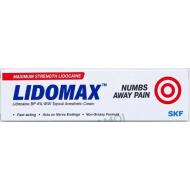
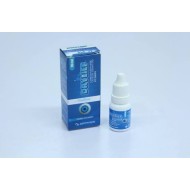
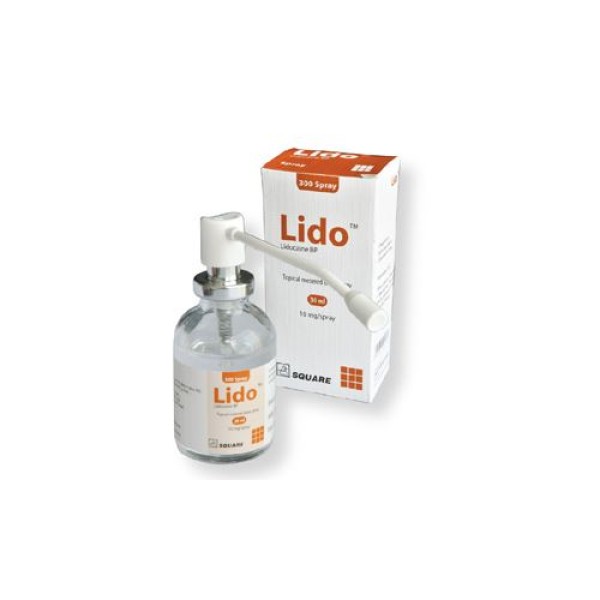
Lido Topical Spray is a local anesthetic manufactured by Square Pharmaceuticals PLC. Each spray delivers 10 mg of Lidocaine Hydrochloride, making it suitable for providing rapid, short-duration surface anesthesia during minor surgical and procedural interventions. It is widely used in ENT, dental, obstetric, and laryngoscopic procedures.
Dosage and Administration
Each spray delivers 10 mg of Lidocaine. The maximum dose is 20 sprays (200 mg). In dentistry, the normal dose is 1–5 sprays; two sprays per quarter of the mouth is recommended, with a maximum of 3 sprays per quarter of the mouth over 30 minutes. In sinus procedures, 3 sprays are used. For procedures of the throat and windpipe, up to 20 sprays may be necessary. Up to 20 sprays may be necessary in childbirth (caesarean procedure). Lower doses are used for children aged 3–12 years. Not recommended for children under 3 years of age.
Interaction
Lidocaine may interact with other antiarrhythmic agents, beta-blockers, and drugs that prolong the QT interval. Concurrent use with other local anesthetics or structurally related agents may increase the risk of systemic toxicity. Consult a physician before use in patients on cardiovascular medications or anticonvulsants.
Contraindications
Lido Topical Spray should not be given to patients with myasthenia gravis, epilepsy, impaired cardiac condition, or liver damage. It is also contraindicated in patients with known hypersensitivity to Lidocaine or other amide-type local anesthetics.
Side Effects
Common side effects include skin rash or irritation, drowsiness, and numbness. More serious reactions may include wheezing or difficulty breathing, chest pain, severe rash or itching, and increased sweating. Systemic absorption at higher doses may produce cardiovascular and CNS effects.
Pregnancy and Lactation
No controlled study is available. Lido Topical Spray may be given to a pregnant woman as per the treating physician's clinical judgment. A small amount of Lidocaine may pass into breast milk during lactation, but the amount is generally considered insignificant and unlikely to harm a nursing infant.
Precautions and Warnings
Patients should exercise caution when driving or operating machinery after using Lido 10% Spray, as drowsiness and slowed reflexes may occur. Patients should avoid eating or drinking for at least 1 hour after application in the mouth or throat area. Care should be taken to avoid spraying near the eyes; if contact occurs, rinse immediately with copious water for at least 15 minutes and seek medical advice. Keep out of reach of children.
Storage Conditions
Store below 30°C, away from light and moisture. Keep out of the reach of children.
Frequently Asked Questions
Q: What is Lido 10% Topical Spray used for?
A: Lido Topical Spray is used to provide temporary surface anesthesia before minor surgical and dental procedures, ENT interventions, throat and laryngoscopy procedures, and during the final stages of childbirth to reduce perineal pain.
Q: How many sprays can be used at one time?
A: The maximum recommended dose is 20 sprays (200 mg of Lidocaine) per session. Specific dosing varies by procedure — for dental use, 1–5 sprays per session is typical; follow the treating physician's instructions.