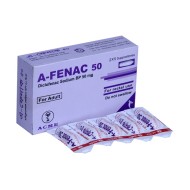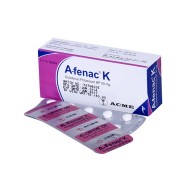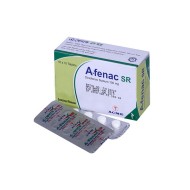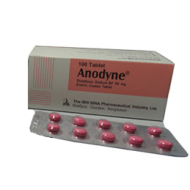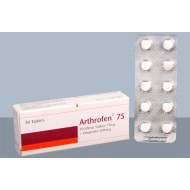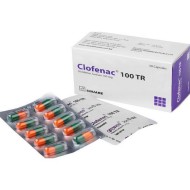

- Stock: Out Of Stock
- Brand: Acme Laboratories Limited
- Product ID: Diclofenac Sodium
🔒 100% Secure Payment | bKash | Nagad | SSLCommerz | COD
⭐ Become a FREE Member: 7% Extra Savings • Free Delivery • Refill Reminders • Priority Support
This Item is for pre order
A-Fenac 25 mg Tablet (Diclofenac Sodium) — Product Overview
| Quick Reference | |
|---|---|
| Brand Name | A-Fenac 25 mg Tablet |
| Generic Name | Diclofenac Sodium 25 mg |
| Drug Class | Non-Steroidal Anti-Inflammatory Drug (NSAID) — Oral |
| Manufacturer | ACI Limited, Bangladesh |
| Dosage Form | Enteric-Coated Tablet |
| Strength | 25 mg (lower dose — suitable for mild pain, children ≥14 kg, or dose titration) |
| Available Strengths | A-Fenac 25 mg, 50 mg, SR 100 mg |
| Storage | Below 30°C, dry place, original packaging |
| Prescription Status | Prescription Required |
What is A-Fenac 25 mg?
A-Fenac 25 mg Tablet contains Diclofenac Sodium, one of the most widely prescribed NSAIDs worldwide for pain and inflammation. The 25 mg strength is the lowest oral dose of diclofenac and is used when a lower dose is clinically appropriate — for mild-to-moderate pain, paediatric use (weight ≥14 kg), elderly patients requiring dose reduction, or when titrating up from a low starting dose. Being enteric-coated, the tablet dissolves in the intestine rather than the stomach, reducing direct gastric irritation.
Mechanism of Action
Diclofenac inhibits cyclooxygenase-1 (COX-1) and COX-2 enzymes, blocking prostaglandin synthesis at the site of inflammation and in the central nervous system. This reduces peripheral sensitisation of pain receptors (nociceptors), decreases inflammatory oedema, and lowers fever. Diclofenac also inhibits release of arachidonic acid and has some affinity for the lipoxygenase pathway, giving it broader anti-inflammatory activity. The enteric coating ensures release in the small intestine, where pH is higher, improving GI tolerability.
Indications
- Osteoarthritis — knee, hip, hand joint pain and stiffness
- Rheumatoid arthritis — inflammation control (adjunct to DMARDs)
- Ankylosing spondylitis — spinal inflammatory pain
- Acute musculoskeletal pain — sprains, strains, sports injuries, back pain
- Primary dysmenorrhoea — menstrual pain
- Postoperative pain (mild-moderate)
- Dental pain — post-extraction
- Gout (acute and chronic)
- Headache/migraine (mild-moderate)
- Diabetic peripheral neuropathy pain — as adjunct (not first-line, but used when neuropathic agents are insufficient or not tolerated)
Dosage
Adults (mild pain): 25 mg two to three times daily (50–75 mg/day).
Adults (moderate pain, rheumatic conditions): Consider upgrading to A-Fenac 50 mg for the standard 100–150 mg/day dosing.
Elderly: Start at 25 mg, use the lowest effective dose, shortest duration. Risk of GI bleeding, renal injury, and cardiovascular events is higher in the elderly.
Maximum adult dose: 150 mg/day (from all diclofenac formulations combined).
Take with or after food — reduces GI irritation despite the enteric coating.
Do not crush or chew — crushing removes the enteric coating protection.
PPI co-prescribing: For patients at GI risk (age >65, prior ulcer, on steroids or anticoagulants), co-prescribe a proton pump inhibitor (omeprazole 20 mg once daily).
Diclofenac and Diabetes — Important Considerations
NSAIDs including diclofenac are commonly needed in people with diabetes for pain management (arthritis, neuropathic pain flares, musculoskeletal injury). However, several interactions with diabetes management are important:
- Renal risk: Diabetic nephropathy plus NSAIDs = high risk of acute kidney injury. Avoid in eGFR <30, use with caution in eGFR 30–60. Check renal function before starting.
- Blood pressure: NSAIDs raise blood pressure and antagonise antihypertensive medications (ACE inhibitors, ARBs, thiazides). Monitor BP.
- Oedema: NSAIDs cause fluid retention, worsening diabetic foot oedema and heart failure risk.
- Glycaemia: Diclofenac itself has minimal direct effect on blood glucose, but pain and inflammation raise cortisol which can elevate blood glucose.
- Safer analgesic for mild pain in diabetes: Paracetamol (acetaminophen) 500–1000 mg is preferred for mild pain due to its absence of renal and cardiovascular effects.
Contraindications
- NSAID or aspirin hypersensitivity / NSAID-sensitive asthma
- Active peptic ulcer or GI bleeding
- Severe renal, hepatic, or cardiac failure
- Third trimester of pregnancy
- Established ischaemic heart disease, stroke, or peripheral arterial disease
- Inflammatory bowel disease (Crohn's, ulcerative colitis) — may exacerbate
Side Effects
GI (most common): Epigastric pain, nausea, dyspepsia, diarrhoea. Enteric coating reduces gastric irritation but does not prevent all GI effects. Serious: peptic ulcer, GI bleeding — higher risk in elderly, smokers, alcohol users.
Renal: Reduced renal blood flow → fluid retention, oedema, elevated creatinine. Acute kidney injury with dehydration or in high-risk patients.
Cardiovascular: Elevated BP, increased MI and stroke risk with regular use — particularly at high doses over long periods.
Hepatic: Elevated liver enzymes (common, usually transient). Serious hepatotoxicity is rare but diclofenac has higher hepatotoxicity potential than other NSAIDs — monitor LFTs on long-term use.
CNS: Headache, dizziness (uncommon).
Skin: Rash; very rarely Stevens-Johnson syndrome.
Drug Interactions
- Anticoagulants (warfarin): Increased bleeding risk — both pharmacokinetic and pharmacodynamic interaction. Monitor INR closely.
- Lithium: Diclofenac increases lithium plasma levels — monitor levels
- Methotrexate: NSAIDs reduce renal clearance — risk of methotrexate toxicity
- ACE inhibitors/ARBs: NSAIDs blunt antihypertensive effect and increase acute kidney injury risk — monitor BP and renal function
- Corticosteroids: Additive GI ulceration risk — co-prescribe PPI
- Cyclosporine: NSAIDs increase nephrotoxicity of cyclosporine
- Other NSAIDs/aspirin: Avoid combination — additive GI and renal toxicity, no added benefit
Frequently Asked Questions (FAQ)
Q: Should I choose A-Fenac 25 mg or 50 mg?
A: For mild pain (dysmenorrhoea, mild back pain, dental pain), 25 mg may suffice. For moderate-to-severe pain or inflammatory conditions (arthritis, gout), 50 mg two to three times daily is the standard adult dose and more effective. Elderly patients and those with renal or hepatic risk should start at the lower 25 mg dose.
Q: How does diclofenac compare to ibuprofen or naproxen?
A: Diclofenac is generally considered more potent mg-for-mg than ibuprofen for pain and inflammation. It has higher GI tolerability than plain ibuprofen (enteric-coated) but carries a higher hepatotoxicity risk than ibuprofen or naproxen. All three have similar cardiovascular risk profiles at equivalent doses. Naproxen is often preferred for once-daily dosing in chronic use.
Q: Can diclofenac be taken long-term for arthritis?
A: Diclofenac can be used long-term for conditions like osteoarthritis or rheumatoid arthritis, but at the lowest effective dose with regular monitoring (BP, renal function, LFTs, Hb). Always co-prescribe a PPI for GI protection in long-term use. Consider periodic "NSAID holidays" to assess continued need.
Q: Is it safe to take diclofenac if I have diabetes?
A: Diclofenac is used in people with diabetes, but requires caution. Check renal function first. Avoid if eGFR <30 (diabetic kidney disease stage 4+). Monitor blood pressure. For mild pain, paracetamol is safer. If diclofenac is needed, use the lowest dose (25 mg) for the shortest time.
Medical Disclaimer
For educational purposes only. Diclofenac is a prescription NSAID with important cardiovascular, renal, and GI risks. Use under medical supervision. Not for use in third trimester of pregnancy. If you have kidney disease, heart disease, or are taking blood thinners, consult your doctor before use.