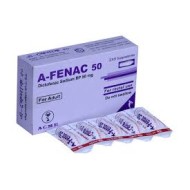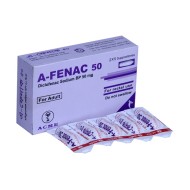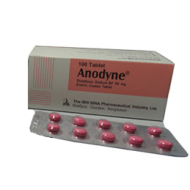
- Stock: Out Of Stock
- Brand: Acme Laboratories Limited
- Product ID: Diclofenac Sodium
🔒 100% Secure Payment | bKash | Nagad | SSLCommerz | COD
⭐ Become a FREE Member: 7% Extra Savings • Free Delivery • Refill Reminders • Priority Support
This Item is for pre order
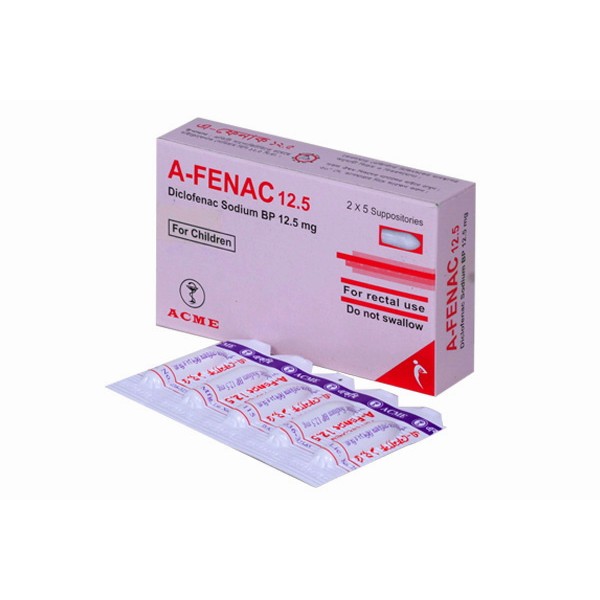
A-Fenac 12.5 mg Suppository (Diclofenac Sodium) — Paediatric Overview
| Quick Reference | |
|---|---|
| Brand Name | A-Fenac 12.5 mg Suppository |
| Generic Name | Diclofenac Sodium 12.5 mg Rectal Suppository |
| Drug Class | NSAID — Paediatric Rectal Formulation |
| Manufacturer | ACI Limited, Bangladesh |
| Primary Use | Pain and fever in children aged 1 year and above who cannot take oral medication |
| Route | Rectal (per rectum) |
| Paediatric Dose Range | 0.5–1 mg/kg per dose; 1–3 mg/kg/day total |
| Prescription Status | Prescription Required |
What is A-Fenac 12.5 mg Suppository?
A-Fenac 12.5 mg Suppository is the paediatric formulation of Diclofenac Sodium, designed for children who cannot swallow tablets or capsules. At 12.5 mg per suppository, it allows accurate, weight-based dosing for children from 1 year of age and above. Diclofenac rectal suppositories are widely used in paediatric practice for post-operative analgesia, fever management, and pain from inflammatory conditions. The rectal route provides reliable drug absorption even when the child is vomiting, feverish, or refusing oral medication — a common scenario in clinical paediatric practice.
Why Rectal Diclofenac in Children?
Children often cannot or will not swallow tablets — particularly when feverish, in pain, or in a post-operative state. The rectal suppository route provides several advantages in paediatric care:
- Reliable absorption regardless of nausea/vomiting
- No need to swallow — suitable from age 1 year upward
- Onset within 30–60 minutes — similar to oral route
- Can be administered during sleep for overnight fever or pain management
- Accurate dosing — 12.5 mg unit allows dose titration (e.g., one or two suppositories per dose based on weight)
Indications in Children
- Post-operative pain — widely used as part of paediatric multimodal analgesia post-surgery
- Fever (pyrexia) — diclofenac is an effective antipyretic; rectal route is useful when oral paracetamol or ibuprofen is not tolerated
- Acute musculoskeletal pain — sprains, fractures, orthopaedic procedures
- Juvenile idiopathic arthritis (JIA) — short-term pain management
- Acute febrile illness with vomiting — when oral antipyretics cannot be retained
- Dental pain / post-extraction in older children
Paediatric Dosage
Age ≥1 year: 0.5–1 mg/kg per dose, given 2–3 times daily. Total daily dose must not exceed 3 mg/kg/day.
| Weight | Dose per administration | Frequency |
|---|---|---|
| 12–15 kg | 12.5 mg (1 suppository) | Up to 3× daily |
| 20–25 kg | 12.5–25 mg (1–2 suppositories) | 2–3× daily |
| 30–35 kg | 25 mg (2 suppositories) | 2–3× daily |
Duration: Limit to 3–5 days. For fever: use the lowest dose that controls temperature. Do not exceed 3 days for fever without medical reassessment.
Administration: Lie child on left side, knees to chest. Insert suppository with the pointed end first, pushing past the internal sphincter using a finger or gloved assistant. Have child remain still for 10–15 minutes. Refrigerate if too soft.
Important Safety Notes for Children
Not for infants under 1 year without specialist guidance — renal prostaglandin dependence is higher in neonates; NSAIDs carry serious risk of acute kidney injury.
Dehydration warning: NSAIDs should not be given to febrile, dehydrated children without first ensuring adequate fluid intake. Febrile children lose fluid rapidly — NSAIDs in a dehydrated child can cause acute renal failure. Rehydrate first, then administer.
Avoid in chickenpox: NSAIDs in children with varicella (chickenpox) are associated with increased risk of severe invasive Group A Streptococcal infection (necrotising fasciitis). Use paracetamol for chickenpox fever.
Reye's syndrome: Applies to aspirin, not diclofenac — diclofenac does not cause Reye's syndrome. However, aspirin must never be used in children under 16 for fever.
Contraindications
- Age under 1 year (without specialist guidance)
- NSAID hypersensitivity or aspirin-sensitive asthma
- Active GI bleeding or peptic ulcer
- Renal impairment or dehydration
- Anorectal disease — proctitis, anal fissure, haemorrhoids
- Chickenpox (varicella)
Side Effects
Local: Rectal irritation, discomfort, urgency. Rectal bleeding may occur with existing anorectal pathology.
Systemic: GI effects (nausea, abdominal pain), renal impairment (especially in dehydrated children), elevated liver enzymes with prolonged use.
Rare but serious: Acute kidney injury in dehydrated febrile children — always ensure adequate hydration before giving diclofenac for fever.
Frequently Asked Questions (FAQ)
Q: Can I use A-Fenac 12.5 mg suppository to bring down fever in my child?
A: Yes. Diclofenac is an effective antipyretic. However, first ensure your child is well hydrated — NSAIDs in dehydrated children can cause kidney problems. Give fluids first. If fever is from chickenpox, use paracetamol instead. Consult a doctor if fever is high, persistent, or the child appears very unwell.
Q: How is A-Fenac 12.5 mg different from children's paracetamol suppositories?
A: Paracetamol suppositories are analgesic and antipyretic with no anti-inflammatory activity and an excellent safety profile in children. Diclofenac suppositories are also analgesic and antipyretic but add significant anti-inflammatory activity — making them more effective for inflammation-associated pain (post-surgery, joint pain, injury). For simple fever or mild pain, paracetamol is preferred. Diclofenac is used when anti-inflammatory action is specifically needed.
Q: What if my child passes the suppository out before it dissolves?
A: If expelled within 15–20 minutes of insertion, a replacement dose may be given. If expelled after 20–30 minutes, sufficient absorption has likely occurred — do not re-dose to avoid overdose.
Q: Is diclofenac safe in children with kidney problems?
A: No — avoid in children with any known renal impairment. Also avoid in dehydrated febrile children. Ensure adequate hydration first and use the lowest effective dose for the shortest time.
Medical Disclaimer
For educational purposes only. Paediatric NSAID use requires careful dose calculation and clinical assessment. Always ensure child is adequately hydrated before administering diclofenac for fever. Avoid in children with chickenpox. Consult a doctor or paediatric pharmacist for guidance on appropriate use.