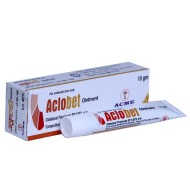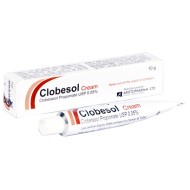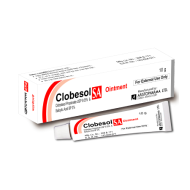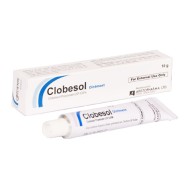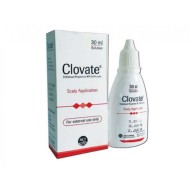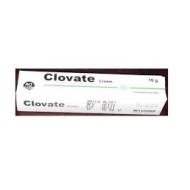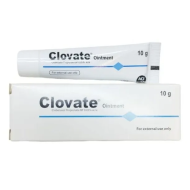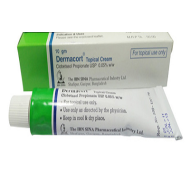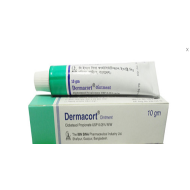
- Stock: Out Of Stock
- Brand: Acme Laboratories Limited
- Product ID: Clobetasol Propionate
🔒 100% Secure Payment | bKash | Nagad | SSLCommerz | COD
⭐ Become a FREE Member: 7% Extra Savings • Free Delivery • Refill Reminders • Priority Support
This Item is for pre order
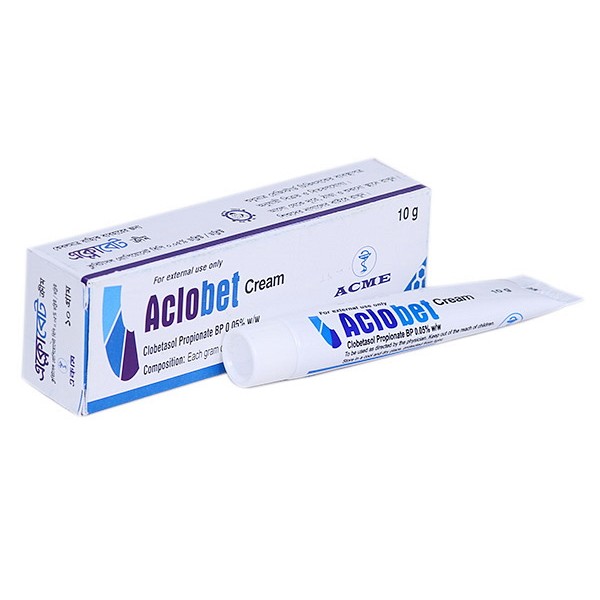
Aclobet 0.05% Cream — Clobetasol Propionate Topical Cream for Inflammatory Dermatoses
| Attribute | Details |
|---|---|
| Brand Name | Aclobet |
| Generic Name | Clobetasol Propionate |
| Strength | 0.05% w/w |
| Dosage Form | Cream (Topical) |
| Pack Size | 10 gm tube |
| Manufacturer | The ACME Laboratories Ltd., Bangladesh |
| Therapeutic Class | Topical Corticosteroid (Group I — Super-potent) |
| Prescription Status | Prescription Only (℞) |
| Storage | Store below 30°C, away from direct sunlight. Keep tube tightly closed. |
Overview
Aclobet 0.05% Cream (Clobetasol Propionate) is a super-potent topical corticosteroid cream formulated for the treatment of severe, corticosteroid-responsive dermatoses. The cream base provides a lighter, less occlusive vehicle compared to the ointment formulation, making it more suitable for moist or weeping lesions, intertriginous areas, and patients who prefer a cosmetically acceptable preparation. Manufactured by The ACME Laboratories Ltd., Bangladesh, Aclobet Cream combines the maximum anti-inflammatory potency of clobetasol propionate 0.05% with ease of application and good skin tolerability in a 10 gm tube that is convenient for targeted therapy of limited lesional areas.
Composition
Each gram of Aclobet Cream contains Clobetasol Propionate BP 0.05% (0.5 mg/g) in a water-miscible cream base consisting of cetostearyl alcohol, cetomacrogol 1000, mineral oil, white soft paraffin, chlorocresol (as preservative), citric acid monohydrate, sodium citrate, and purified water. The oil-in-water emulsion base provides easy spreadability, rapid absorption, and a non-greasy finish suitable for daytime use.
Mechanism of Action
Clobetasol propionate acts by binding to cytoplasmic glucocorticoid receptors in dermal and epidermal cells. This receptor-drug complex translocates to the nucleus where it regulates gene transcription, reducing the production of inflammatory mediators including prostaglandins, leukotrienes, histamine, cytokines (IL-1β, IL-6, TNF-α), and chemokines. The net effect is a reduction in vasodilation, capillary permeability, oedema, erythema, pruritus, and epidermal hyperproliferation. Clobetasol propionate's receptor-binding affinity is exceptionally high (~18× greater than hydrocortisone), placing it in the super-potent (Group I) category. The cream formulation allows sufficient penetration through intact skin for therapeutic efficacy while reducing the occlusive effect compared to the ointment base.
Indications
Aclobet 0.05% Cream is indicated for short-term treatment of severe inflammatory, hyperkeratotic, and pruritic dermatoses responsive to corticosteroid therapy but unresponsive to weaker agents. Indications include: psoriasis vulgaris; chronic discoid lupus erythematosus; lichenified atopic dermatitis; chronic contact dermatitis; lichen planus and hypertrophic lichen planus; lichen simplex chronicus; palmoplantar pustulosis; neurodermatitis; and other inflammatory conditions of the trunk, limbs, and scalp that require high-potency topical corticosteroid treatment.
Dosage and Administration
Apply a thin layer of Aclobet 0.05% Cream to the affected skin area twice daily (morning and evening). Gently massage until absorbed. Total weekly application should not exceed 50 grams. Treatment duration should not exceed 4 consecutive weeks without reassessment by a dermatologist. Do not apply under occlusive dressings unless specifically instructed, as occlusion dramatically enhances systemic absorption. Wash hands after application. Avoid eyes, mucous membranes, and open wounds.
Contraindications
Contraindicated in: hypersensitivity to clobetasol propionate or any cream excipient (including chlorocresol preservative); skin infections of bacterial, fungal, or viral origin that are not being treated with appropriate antimicrobial therapy; rosacea; acne vulgaris; perioral dermatitis; pruritus without skin diagnosis; neonatal or infant use; and application to the face, axillae, groin, and intertriginous skin folds due to thin-skin atrophy risk. Not for ophthalmic use.
Side Effects
Local side effects with prolonged or inappropriate use include: skin thinning (atrophy), striae, telangiectasia, perioral dermatitis, acneiform eruptions, hypertrichosis, hypopigmentation, miliaria, and secondary infections. Systemic side effects from percutaneous absorption — particularly relevant when applied over large areas, under occlusion, or in children — include: HPA axis suppression, adrenal insufficiency, Cushing's syndrome, hyperglycaemia, and glycosuria. Cetostearyl alcohol in the cream base may cause local skin reactions in sensitised patients.
Warnings and Precautions
Diabetic patients: Systemic absorption of clobetasol propionate from extensive application can cause clinically meaningful rises in blood glucose. Monitor blood sugar if using Aclobet Cream over large body surface areas. Avoid use on the face, intertriginous areas, and under tight clothing or dressings unless directed by a dermatologist. Taper gradually after long-term use to prevent rebound psoriasis or flare. Use the minimum effective dose for the shortest possible duration. Discontinue immediately if signs of adrenal suppression occur (fatigue, weakness, weight loss). Keep children away from treated areas.
Drug Interactions
Concurrent use of systemic corticosteroids with topical clobetasol increases cumulative adrenal suppression risk. CYP3A4 inhibitors (ritonavir, itraconazole, ketoconazole) used systemically may increase clobetasol plasma concentration via transdermal absorption and should be used with caution. Antidiabetic agents may need dose adjustment if hyperglycaemia occurs. Pre-application of keratolytics (urea 10–40%, salicylic acid) enhances clobetasol penetration through thickened psoriatic plaques — coordinate timing with a physician.
Use in Special Populations
Pregnancy (Category C): Avoid use during pregnancy unless essential; animal studies show corticosteroid-induced fetal abnormalities. Use the smallest area and shortest duration if required. Lactation: Do not apply to the breast or chest during nursing. Paediatric use: Not recommended under 12 years without dermatologist supervision; heightened systemic absorption risk due to favourable surface area to weight ratio. Elderly: Fragile skin increases atrophy risk — use minimum effective dose and monitor regularly.
How Supplied
Aclobet 0.05% Cream is available in a 10 gm aluminium tube with a sealed nozzle cap, manufactured by The ACME Laboratories Ltd. Store below 30°C, protected from light and heat. Keep out of reach of children. Do not use after expiry date printed on tube and outer carton.
Frequently Asked Questions (FAQ)
Q1: Is Aclobet Cream or Ointment better for psoriasis?
For dry, scaly plaque psoriasis, the ointment is generally preferred as the occlusive petrolatum base softens the scale and enhances drug penetration. For intertriginous or flexural psoriasis, the cream is better tolerated due to its lighter, non-greasy texture. Your dermatologist will advise based on lesion morphology and location.
Q2: Can I apply Aclobet Cream daily for a long period to manage chronic eczema?
No. Continuous use should not exceed 4 weeks. Long-term daily application causes progressive skin atrophy and HPA axis suppression. After the acute inflammatory phase is controlled, transition to a moderate-potency steroid or a non-steroidal alternative (tacrolimus, pimecrolimus) under medical guidance for maintenance.
Q3: My blood sugar is well controlled — can I still use Aclobet Cream safely?
Yes, for short-term application to limited skin areas, the risk of significant blood glucose elevation is low. However, if you are using it over extensive skin areas or under occlusion, systemic absorption may be sufficient to transiently raise blood glucose. Inform your diabetologist and monitor your levels during treatment.
Q4: Can Aclobet Cream be used for fungal skin infections?
No. Applying a potent corticosteroid to a fungal infection without antifungal cover can suppress the visible signs of infection while allowing the fungus to proliferate unchecked — this is termed tinea incognito. If you have a combined inflammatory and fungal infection, a combination antifungal/corticosteroid product prescribed by a doctor is required. Never self-apply Aclobet to scaling rashes without a proper diagnosis.