
- Stock: 2-3 Days
- Brand: Essential Drugs Company Ltd.
- Product ID: Amlodipine
Available Options
🔒 100% Secure Payment | bKash | Nagad | SSLCommerz | COD
⭐ Become a FREE Member: 7% Extra Savings • Free Delivery • Refill Reminders • Priority Support
This Item is for pre order
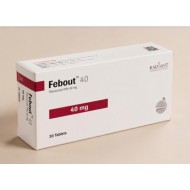
Amlodipine 5mg Tablet — Calcium Channel Blocker for Hypertension Management in Diabetic Patients
Attribute Details
| Brand Name | Amlodipine 5mg Tab |
| Generic Name | Amlodipine Besylate |
| Strength | 5 mg |
| Dosage Form | Oral Tablet |
| Pack Size | Strip/box pack (see listing for unit count) |
| Drug Class | Dihydropyridine Calcium Channel Blocker (CCB) |
| Manufacturer | See product listing for manufacturer details |
About Amlodipine 5mg Tablet
Amlodipine is a long-acting calcium channel blocker that relaxes and widens blood vessels, making it easier for the heart to pump blood and lowering overall blood pressure. It is one of the most widely prescribed antihypertensive medications worldwide and is frequently used as a first-line or add-on therapy for high blood pressure, as well as for chronic stable angina (chest pain due to reduced blood flow to the heart). Because of its smooth, once-daily action, amlodipine causes fewer abrupt blood pressure swings compared to some older blood pressure medications.
Amlodipine and Type 2 Diabetes: Why Blood Pressure Control Matters So Much
Hypertension and type 2 diabetes commonly occur together, and the combination substantially raises the risk of heart attack, stroke, and progressive kidney damage (diabetic nephropathy) compared to either condition alone. Amlodipine is considered a safe and effective option for diabetic patients because, unlike some diuretics and older beta-blockers, it does not worsen blood glucose control or significantly affect cholesterol and triglyceride levels. Many diabetic patients are prescribed amlodipine in combination with an ACE inhibitor or ARB (such as losartan or telmisartan) for more complete blood pressure control and added kidney-protective benefit. Diabetic patients starting amlodipine should still have their blood pressure checked regularly, since target blood pressure goals in diabetes (commonly below 130/80 mmHg, per physician guidance) are often stricter than for the general population.
Common Side Effects and What to Watch For
The most common side effect of amlodipine is mild ankle or leg swelling (peripheral edema), caused by the dilation of blood vessels, which can be more noticeable after several weeks of use and tends to be dose-related. Other possible side effects include flushing, headache, dizziness, and fatigue, especially during the first 1–2 weeks of treatment as the body adjusts. Diabetic patients with pre-existing foot swelling or poor circulation should mention this to their physician, as it can sometimes make distinguishing amlodipine-related swelling from diabetic foot complications more difficult. Severe dizziness, fainting, or a significantly low heart rate should be reported to a doctor promptly.
Dosing Guide
| Indication | Typical Adult Dose | Notes |
|---|---|---|
| Hypertension (initial) | 5mg once daily | May increase to 10mg after 1–2 weeks if needed |
| Hypertension (elderly or with liver impairment) | 2.5mg once daily starting dose | Titrate cautiously per physician |
| Chronic stable angina | 5–10mg once daily | Per physician guidance |
| Combined with ACE inhibitor/ARB (diabetic patients) | 5mg once daily, combined per prescription | Common in diabetic hypertension management |
Frequently Asked Questions (FAQ)
Q1: Can I take Amlodipine 5mg if I have type 2 diabetes?
Yes, amlodipine is widely considered safe for diabetic patients and does not negatively affect blood glucose or cholesterol levels, unlike some other blood pressure medications. It is often combined with an ACE inhibitor or ARB for diabetic patients who need more than one medication to reach their blood pressure target.
Q2: Why are my ankles swelling after starting Amlodipine?
Mild ankle or leg swelling is the most common side effect of amlodipine and happens because the medication widens blood vessels, including small veins in the legs. It's usually not dangerous, but if swelling is severe, sudden, or accompanied by shortness of breath, contact your doctor, as these could indicate a different cause.
Q3: How long does it take for Amlodipine to lower blood pressure?
Amlodipine starts working within a few hours, but it can take 1–2 weeks of consistent daily use to see its full blood-pressure-lowering effect, as it builds up steadily in the body due to its long half-life. Do not stop taking it just because you feel fine — high blood pressure often has no symptoms.
Q4: Can I stop taking Amlodipine once my blood pressure is normal?
No, you should not stop without consulting your physician. Amlodipine controls blood pressure but does not cure the underlying cause of hypertension; stopping abruptly can cause blood pressure to rise again, increasing the risk of heart attack or stroke, particularly important for patients who also have diabetes.
Medical Disclaimer
Amlodipine 5mg Tablet (Amlodipine Besylate) should be taken exactly as prescribed by your physician. Patients with diabetes should continue regular blood pressure and blood glucose monitoring while on this medication. This content is for educational purposes only and does not replace professional medical advice.