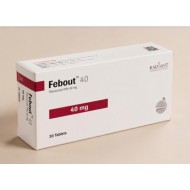

- Stock: In Stock
- Product ID: Dexamethasone
Available Options
🔒 100% Secure Payment | bKash | Nagad | SSLCommerz | COD
⭐ Become a FREE Member: 7% Extra Savings • Free Delivery • Refill Reminders • Priority Support
METADEXAN Tablet — Dexamethasone 0.5mg | Beximco Pharmaceuticals
| Generic Name | Dexamethasone 0.5 mg |
| Dosage Form | Tablet |
| Drug Class | Synthetic Glucocorticoid / Corticosteroid |
| Manufacturer | Beximco Pharmaceuticals Ltd. |
| Relative Potency | ~25× more potent than hydrocortisone; ~6× more potent than prednisolone |
| Prescription Status | Prescription Only — Physician Supervision Required |
Overview
METADEXAN contains Dexamethasone — the most potent commonly available synthetic glucocorticoid corticosteroid. Dexamethasone has approximately 25 times the anti-inflammatory potency of hydrocortisone and 6 times that of prednisolone, with minimal mineralocorticoid activity (causing less sodium and water retention than older steroids). It is used for a wide range of inflammatory, allergic, autoimmune, and haematological conditions, as well as for cerebral oedema, severe COVID-19 (RECOVERY trial evidence), and as a component of cancer chemotherapy regimens. Dexamethasone has critical implications for diabetic patients — it is one of the most potent drivers of steroid-induced hyperglycaemia.
Mechanism of Action
Dexamethasone binds glucocorticoid receptors in virtually all body cells, translocating to the nucleus and altering transcription of hundreds of genes. Anti-inflammatory effects: suppresses COX-2, phospholipase A2, and pro-inflammatory cytokines (IL-1, IL-6, TNF-α). Immunosuppressive effects: reduces lymphocyte and eosinophil counts, suppresses T-cell activation. Metabolic effects: promotes gluconeogenesis, increases hepatic glucose output, induces peripheral insulin resistance, and stimulates lipolysis — all mechanisms contributing to steroid-induced hyperglycaemia.
Indications
- Severe allergic reactions — anaphylaxis adjunct, angioedema
- Asthma — severe exacerbations
- Inflammatory conditions — rheumatoid arthritis, inflammatory bowel disease
- Autoimmune diseases — SLE, myasthenia gravis, pemphigus
- Cerebral oedema — vasogenic (tumour, abscess)
- Haematological — ITP, AIHA, multiple myeloma regimens
- Severe COVID-19 requiring oxygen — 6mg once daily × 10 days (RECOVERY protocol)
- Nausea and vomiting in chemotherapy (antiemetic)
- Dexamethasone suppression test — Cushing's syndrome diagnosis
Dosage (Adult)
| Indication | Dose | Duration |
|---|---|---|
| Anti-inflammatory / allergic | 0.5–9 mg/day in divided doses | Short course, taper |
| Severe COVID-19 | 6 mg once daily | Up to 10 days |
| Dexamethasone suppression test | 1 mg at 11pm (overnight test) | Single dose |
| Cerebral oedema | 4–24 mg/day (IV/IM preferred for acute) | Under specialist care |
Take oral tablets with food to reduce GI irritation. Never stop abruptly after prolonged use — taper dose gradually to prevent adrenal insufficiency.
Critical Diabetic Patient Warnings
- Steroid-induced hyperglycaemia: Dexamethasone is the most potent cause of steroid-induced hyperglycaemia of all commonly used steroids. Even a single dose can raise blood glucose by 5–10 mmol/L in diabetic patients. Monitor BGL every 2–4 hours during steroid treatment. Insulin dose adjustments are almost always required.
- Pattern of hyperglycaemia: Dexamethasone given as a morning dose typically causes afternoon and evening hyperglycaemia with less effect on fasting morning glucose. Basal insulin adjustments alone may be insufficient — prandial/correction doses must be increased.
- Masking hypoglycaemia: Steroids reduce sympathetic hypoglycaemia symptoms — patients may not feel the warning signs. Frequent BGL testing is essential.
- New-onset diabetes: Dexamethasone can unmask latent diabetes or cause new-onset steroid diabetes — especially in patients with pre-diabetes, obesity, or family history. Monitor non-diabetic patients on steroids as well.
- Metformin caution: During steroid treatment, hyperglycaemia may necessitate insulin. If the patient is very unwell or dehydrated, withhold metformin (lactic acidosis risk). Resume when stable.
- Immunosuppression: Steroids suppress immune function — monitor diabetic patients carefully for infection (particularly opportunistic fungal, bacterial, or viral).
Side Effects
Short-term: hyperglycaemia, insomnia, mood changes, increased appetite, fluid retention. Long-term: Cushing's syndrome, osteoporosis, adrenal suppression, weight gain, cataracts, glaucoma, increased infection risk, muscle wasting, skin thinning. Never stop abruptly — risk of adrenal crisis.
Contraindications
Systemic fungal infections (without antifungal cover). Active untreated tuberculosis. Live vaccine administration during immunosuppressive doses. Use with extreme caution in: diabetes, peptic ulcer, osteoporosis, psychiatric disorders, heart failure, hypertension.
Storage
Store below 25°C in a dry place. Protect from light and moisture. Keep out of reach of children.
Medical Disclaimer: Dexamethasone causes significant hyperglycaemia in diabetic patients — blood glucose monitoring and insulin dose adjustment are essential during corticosteroid treatment. Never self-prescribe corticosteroids. Prescription required. Do not stop abruptly after prolonged use.