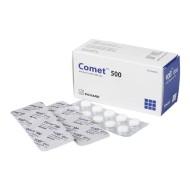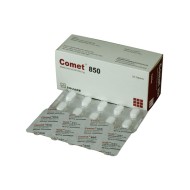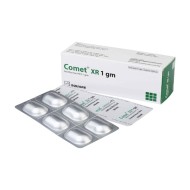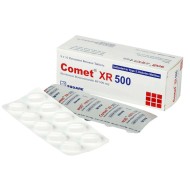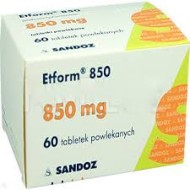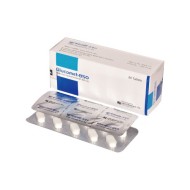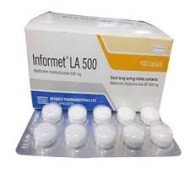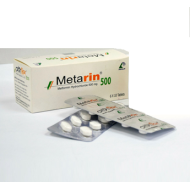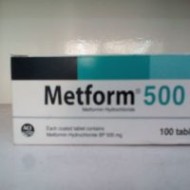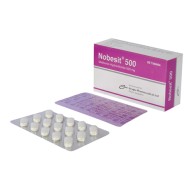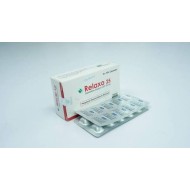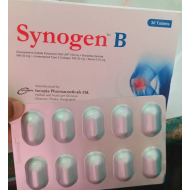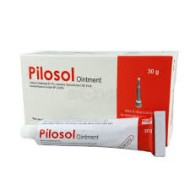
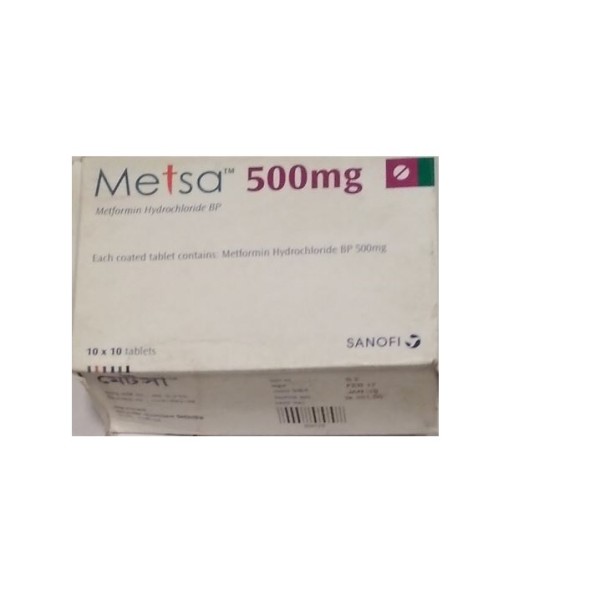
- Stock: In Stock
- Brand: Sanofi Bangladesh Limited
- Product ID: Metformin Hydrochloride
🔒 100% Secure Payment | bKash | Nagad | SSLCommerz | COD
⭐ Become a FREE Member: 7% Extra Savings • Free Delivery • Refill Reminders • Priority Support
Metsa 500 mg Tablet — Metformin Hydrochloride
| Generic Name | Metformin Hydrochloride |
|---|---|
| Strength | 500 mg |
| Dosage Form | Tablet |
| Manufacturer | Synovia Pharma PLC. |
| Therapeutic Class | Biguanide — Oral Antidiabetic |
| Pack Size | 100 Tablets (10 x 10) |
Overview
Metsa 500 mg Tablet is manufactured by Synovia Pharma PLC. and offers metformin hydrochloride, the cornerstone first-line oral agent for type 2 diabetes, at an affordable price point. Metsa provides patients with a reliable, budget-conscious option for long-term metformin therapy without compromising on quality manufacturing standards.
Mechanism of Action
Metformin works mainly by reducing hepatic glucose production, decreasing intestinal absorption of glucose, and increasing peripheral tissue sensitivity to insulin. It does not stimulate insulin release from the pancreas, which is why it carries minimal risk of hypoglycemia when used alone, unlike sulfonylureas or insulin-based therapies.
Indications
Metsa 500 mg is indicated for type 2 diabetes mellitus as first-line therapy alongside diet and exercise, and can be combined with other oral antidiabetic agents or insulin when monotherapy is insufficient to reach glycemic targets. It may also be used in select cases of insulin resistance under physician guidance.
Dosage and Administration
The typical starting dose is 500 mg once or twice daily with meals, gradually increased over 1–2 weeks as needed and tolerated, with maintenance doses commonly between 1500–2000 mg/day in divided doses. Taking Metsa with food significantly reduces the likelihood of gastrointestinal discomfort. Always follow your physician's individualized dosing plan.
Contraindications
Contraindicated in patients with severe renal impairment (eGFR <30 mL/min/1.73m²), acute or chronic metabolic acidosis (including diabetic ketoacidosis), and known hypersensitivity to metformin. Use with caution in hepatic impairment and conditions associated with tissue hypoxia.
Side Effects
Common side effects include nausea, diarrhea, abdominal discomfort, and a metallic taste, which are usually mild and improve with continued use or gradual dose titration. Long-term therapy may reduce vitamin B12 levels, so periodic monitoring is advisable. Lactic acidosis is rare but serious, occurring mainly in patients with predisposing renal or hepatic conditions.
Drug Interactions
Iodinated contrast media used in radiologic imaging can increase the risk of acute kidney injury and lactic acidosis when combined with metformin; temporary discontinuation around such procedures is standard practice. Excess alcohol intake should be avoided. Inform your physician of all medications and supplements you are taking.
Special Precautions
Renal function should be evaluated before starting Metsa and monitored periodically thereafter, particularly in elderly patients or those with declining kidney function. Temporary discontinuation is recommended during acute illness involving dehydration, vomiting, or reduced oxygen delivery to tissues.
Storage
Store below 30°C in a dry place, away from direct sunlight. Keep out of reach of children.
Frequently Asked Questions
Q1: Is Metsa as effective as more expensive metformin brands?
Yes, Metsa contains the same active ingredient, metformin hydrochloride, manufactured to standard quality requirements; effectiveness depends on the active ingredient and correct dosing rather than brand price.
Q2: Can Metsa be taken with other diabetes medications?
Yes, metformin is frequently combined with other oral antidiabetics, GLP-1 agonists, or insulin under physician supervision to achieve glycemic targets.
Q3: What should I do if I miss a dose of Metsa?
Take the missed dose as soon as you remember unless it is close to your next scheduled dose; do not double the dose. Consult your physician if missed doses become frequent.
Q4: Does Metsa require any routine lab monitoring?
Yes, periodic monitoring of kidney function and, with long-term use, vitamin B12 levels is recommended as advised by your physician.
Medical Disclaimer: This information is provided for educational purposes only and does not replace professional medical advice. Always consult a registered physician or pharmacist before starting, stopping, or changing any medication. Dosage and suitability vary by individual health condition.