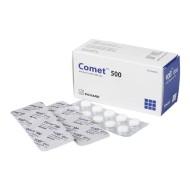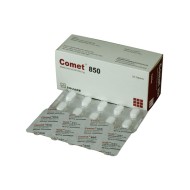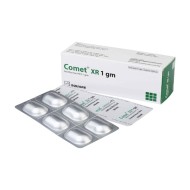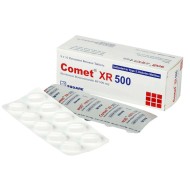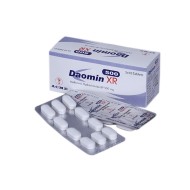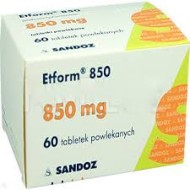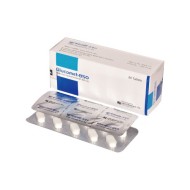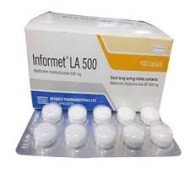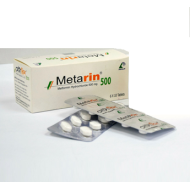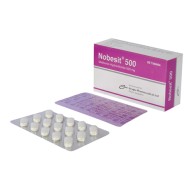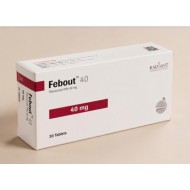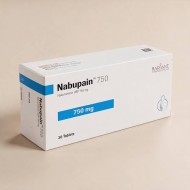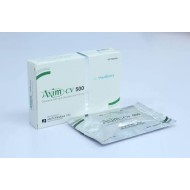
- Stock: In Stock
- Brand: Sanofi Bangladesh Limited
- Product ID: Metformin Hydrochloride
🔒 100% Secure Payment | bKash | Nagad | SSLCommerz | COD
⭐ Become a FREE Member: 7% Extra Savings • Free Delivery • Refill Reminders • Priority Support
Metsa XR 1000 mg Tablet — Metformin Hydrochloride (Extended Release)
| Generic Name | Metformin Hydrochloride (Extended Release) |
|---|---|
| Strength | 1000 mg |
| Dosage Form | Extended-Release Tablet |
| Manufacturer | Synovia Pharma PLC. |
| Therapeutic Class | Biguanide — Oral Antidiabetic (Extended Release) |
| Pack Size | 100 Tablets (10 x 10) |
Overview
Metsa XR 1000 mg is the highest-strength extended-release metformin tablet from Synovia Pharma PLC., designed for patients with established tolerance to lower XR doses who require near-maximum daily metformin dosing in a convenient once- or twice-daily regimen. The high-strength format reduces the number of tablets needed for patients on maintenance doses near the upper end of the therapeutic range.
Mechanism of Action
Metsa XR 1000 mg uses an extended-release delivery system that releases metformin gradually over several hours, maintaining steady plasma concentrations and minimizing the absorption spikes linked to gastrointestinal side effects. Metformin's core action — reducing hepatic glucose output, limiting intestinal glucose absorption, and enhancing peripheral insulin sensitivity — remains unchanged at this higher strength.
Indications
Metsa XR 1000 mg is indicated for type 2 diabetes mellitus in patients who have been titrated up through lower XR doses and require a higher total daily dose for adequate glycemic control. It is not intended as a starting dose for metformin-naive patients and should be reached through gradual titration.
Dosage and Administration
Metsa XR 1000 mg is typically used once daily with the evening meal in patients already established on metformin XR therapy, with some regimens using it twice daily depending on total daily dose requirements, up to a generally accepted maximum of 2000 mg/day of extended-release metformin. Tablets must be swallowed whole and never crushed, split, or chewed.
Contraindications
Contraindicated in severe renal impairment (eGFR <30 mL/min/1.73m²), metabolic acidosis including diabetic ketoacidosis, and known hypersensitivity to metformin. Not recommended for patients with swallowing difficulties or significant gastrointestinal narrowing, and not appropriate as an initial starting dose.
Side Effects
As with other extended-release metformin products, gastrointestinal side effects are generally less frequent than with immediate-release formulations, but nausea, diarrhea, or abdominal discomfort can still occur, particularly if the dose was increased too quickly. Long-term use may reduce vitamin B12 absorption. Lactic acidosis is rare and linked mainly to underlying renal or hepatic disease.
Drug Interactions
Iodinated contrast media require temporary discontinuation of metformin before and after the procedure. Alcohol intake should be limited due to increased lactic acidosis risk. Disclose all current medications, including over-the-counter drugs and supplements, to your physician or pharmacist.
Special Precautions
Because this is the highest XR strength, dose titration to reach 1000 mg should always follow a physician-supervised step-up plan rather than direct initiation. Renal function should be monitored periodically, particularly given the higher total daily dose. Temporary discontinuation is advised during acute illness with dehydration or hypoxia risk.
Storage
Store below 30°C, protected from light and moisture. Keep out of reach of children.
Frequently Asked Questions
Q1: Can I start metformin therapy directly with Metsa XR 1000 mg?
No, this high strength is intended for patients who have already been titrated up through lower extended-release doses; starting directly at 1000 mg is not recommended.
Q2: How many Metsa XR 1000 tablets do most patients take per day?
Dosing varies by individual, but many patients on maximal extended-release therapy take one to two tablets daily as directed by their physician, not exceeding the recommended maximum.
Q3: Will Metsa XR 1000 control my blood sugar better than lower doses?
Higher doses generally provide greater glucose-lowering effect up to the maximum recommended dose, but benefits must be balanced against tolerability and kidney function, which your physician will assess.
Q4: What should I do if I experience side effects at this higher dose?
Report any new or worsening gastrointestinal symptoms to your physician, who may adjust your dose, timing, or recommend a temporary step-down.
Medical Disclaimer: This information is provided for educational purposes only and does not replace professional medical advice. Always consult a registered physician or pharmacist before starting, stopping, or changing any medication. Dosage and suitability vary by individual health condition.