
- Stock: Out Of Stock
- Brand: Renata
- Product ID: Oral Rehydration Salt (Powder)
🔒 100% Secure Payment | bKash | Nagad | SSLCommerz | COD
⭐ Become a FREE Member: 7% Extra Savings • Free Delivery • Refill Reminders • Priority Support
This Item is for pre order
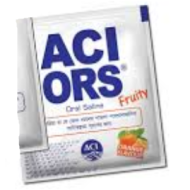
Ors Rena Saline — Oral Rehydration Salt Powder for Dehydration Management
Attribute Details
| Brand Name | Ors Rena Saline |
| Generic Name | Oral Rehydration Salt (Sodium Chloride, Potassium Chloride, Trisodium Citrate, Glucose) |
| Strength | Standard WHO-formula ORS sachet |
| Dosage Form | Oral Powder for Reconstitution |
| Pack Size | Sachet (see listing for unit count) |
| Drug Class | Oral Rehydration Salt (Electrolyte Replacement) |
| Manufacturer | See product listing for manufacturer details |
About Ors Rena Saline
Ors Rena Saline is an oral rehydration salt (ORS) formulation used to replace fluids and essential electrolytes lost during diarrhea, vomiting, excessive sweating, or other causes of dehydration. Each sachet is dissolved in a specific volume of clean drinking water (check the label for exact instructions, typically 200–1000mL depending on formulation) to create a balanced solution of glucose and electrolytes that the intestine can absorb efficiently, helping restore hydration faster than water alone.
ORS Use in Diabetic Patients: Important Glucose Considerations
Standard oral rehydration salts contain glucose, which is essential for the solution's electrolyte-absorption mechanism but means diabetic patients need to be mindful of blood sugar effects, especially during illness when blood sugar control can already be unstable. Diabetic patients experiencing diarrhea or vomiting severe enough to require ORS should monitor their blood glucose more frequently during use, as both the illness itself and the glucose content of the ORS solution can affect levels. Despite this, treating dehydration promptly remains important for diabetic patients, since dehydration itself can worsen blood sugar control and increase the risk of diabetic ketoacidosis or hyperosmolar states in severe cases — the benefit of correcting dehydration generally outweighs the modest glucose load from ORS.
When to Seek Medical Attention
While ORS is effective for mild to moderate dehydration, diabetic patients with persistent vomiting, inability to keep fluids down, signs of severe dehydration (such as significant dizziness, very dark urine, or confusion), or blood glucose readings that are unusually high or low during illness should seek medical attention promptly rather than relying on ORS alone, as these situations may require intravenous fluids or adjustment of diabetes medication under medical supervision.
Dosing Guide
| Situation | Typical Use | Notes |
|---|---|---|
| Mild dehydration (adults) | 1 sachet dissolved per label instructions, sipped over several hours | Replace ongoing losses as needed |
| Diarrhea/vomiting illness | Repeat sachets through the day as tolerated | Diabetic patients: monitor blood glucose more closely |
| Severe dehydration or persistent symptoms | Seek medical attention | May require IV fluids beyond ORS capability |
Frequently Asked Questions (FAQ)
Q1: I have diabetes — will ORS raise my blood sugar?
ORS contains a small, controlled amount of glucose needed for proper electrolyte absorption, which can modestly affect blood sugar. Monitor your glucose more frequently while using ORS during illness, but don't avoid it if you're dehydrated — untreated dehydration is generally more dangerous for diabetic patients than the modest glucose content of ORS.
Q2: How much water should I mix with each ORS sachet?
Follow the exact instructions printed on your specific product's packaging, as volumes vary by formulation (commonly 200mL, 500mL, or 1 liter). Using too little water makes the solution too concentrated; too much dilutes the electrolytes below an effective level.
Q3: Can I make ORS solution in advance and store it?
Once mixed, ORS solution should generally be used within 24 hours and kept refrigerated if not consumed immediately, then discarded after that period, as it can support bacterial growth over time. Always check your specific product's storage instructions.
Q4: When should I see a doctor instead of just using ORS?
Seek medical care if you cannot keep fluids down, have persistent vomiting or diarrhea beyond 24–48 hours, notice signs of severe dehydration (confusion, very little urination, extreme dizziness), or if you have diabetes and your blood glucose is significantly abnormal during the illness.
Medical Disclaimer
Ors Rena Saline should be prepared and used exactly as directed on the package. Diabetic patients should monitor blood glucose during use and seek medical attention for severe or persistent dehydration symptoms. This content is for educational purposes only and does not replace professional medical advice.