🔒 100% Secure Payment | bKash | Nagad | SSLCommerz | COD
⭐ Become a FREE Member: 7% Extra Savings • Free Delivery • Refill Reminders • Priority Support
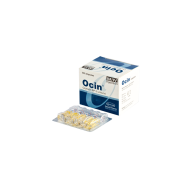
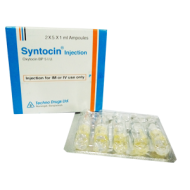
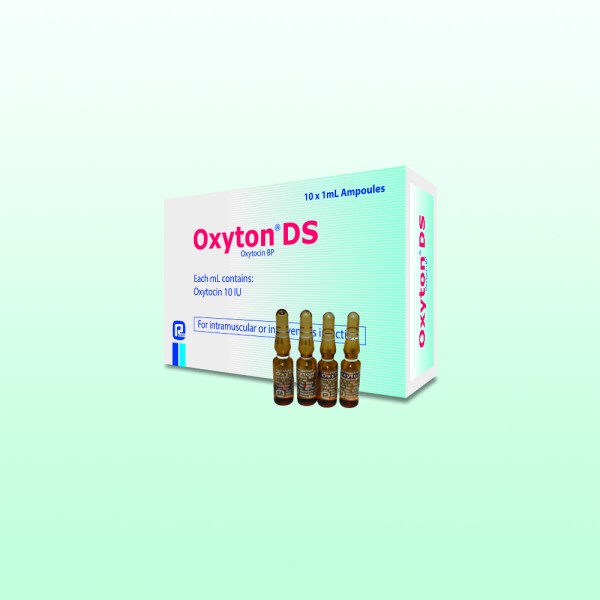
Oxyton IM/IV Injection — Oxytocin
| Generic Name | Oxytocin |
|---|---|
| Strength | 5 IU/ml |
| Dosage Form | Injection |
| Manufacturer | Renata Limited |
| Therapeutic Class | Drugs acting on the Uterus |
Indications
Oxyton is indicated in-
Induction of labor, stimulation of uterine contractions.
Post delivery period, for the prevention or treatment of secondary haemorrhage and adherent placenta.
To stimulate lactation, only it advised by the registered Gynaecologist/Physician.
Treatment of incomplete abortion to obtain more rapid expulsion in order to prevent secondary hemorrhage.
Mechanism of Action
Uterine motility depends on the formation of the contractile protein actomyosin under the influence of the Ca2+ dependent phosphorylating enzyme myosin light-chain kinase. Oxytocin promotes contractions by increasing the intracellular Ca2+, which in turn activates myosin's light chain kinase. Oxytocin has specific receptors in the muscle lining of the uterus and the receptor concentration increases greatly during pregnancy, reaching a maximum in early labor at term.
Dosage and Administration
Induction of labor, stimulation of uterine contractions: Oxytocin should be given by intravenous infusion under adequate control, 1-5 IU added to 500 ml of infusion fluid. The administration is started at 1 mU (1 mU=0.001 IU) per minute. According to the effect obtained the dosage can be doubled every 30-45 minutes until the uterus threshold has been attained. A further increase will then usually provide optimal activity. The threshold is generally below 10 mU per minute.N.B.: Intramuscular administration of Oxytocin may lead to an irregular response and symptoms of overdosage. It intramuscular administration is nevertheless unavoidable, dosage should not exceed 0.5-1 IU per injection. Post delivery period, for the prevention or treatment of secondary haemorrhage and adherent placenta: Intramuscular injection of 2-5 IU, or as intravenous infusion in an adequate dosage To stimulate lactation, only it advised by the registered Gynaecologist/Physician: Intramuscular injection of 2 IU Treatment of incomplete abortion to obtain more rapid expulsion in order to prevent secondary hemorrhage: Intramuscular injection of 2-5 IU every 30-60 minutes or as intravenous infusion in an adequate dosage
Contraindications
Cephalo-pelvic disproportion.
Abnormal position of the child or abnormal position of the skull.
Overdistention of the inferior segment of the uterus.
Severe toxaemia.
Hypertonic uterine dysfunction.
Foetal distress, where delivery is not imminent (uterine contractions may increase hypoxia).
Cord presentation and prolapse.
Total placenta previa.
Vasa praevia.
Side Effects
Hypersensitivity to the drug may result in uterine hypertonicity, spasm, titanic contraction or rupture of the uterus.
The possibility of increased blood loss and afbrinigenemia should be kept in mind when administering the drug.
Severe water intoxication with convulsions and coma has occurred.
Oxyton may occasionally cause nausea, vomiting, haemorrhage or cardiac arrhythmias, anaphylactic reaction.
Adverse reactions: Exceptionally, symptoms of water intoxication may occur. An increased incidence of icterus neonatorum has been reported after use of Oxyton.
Drug Interactions
Severe hypertension has been reported when Oxyton was given three to four hours following prophylactic administration of a vasoconstrictor in conjunction with caudal-block anesthesia. Cyclopropane anesthesia may modify Oxyton’s cardiovascular effects, so as to produce unexpected results such as hypotension. Maternal sinus bradycardia with abnormal atrioventricular rhythms has also been noted when Oxyton was used concomitantly with cyclopropane anesthesia.
Pregnancy and Lactation
Pregnancy category C. It is not known whether Oxytocin is excreted in human milk
Precautions and Warnings
Since uterine sensitivity to Oxyton may vary widely. Oxyton should be used with care. The smallest effective dose must be determined for each patient and then utilized to initiate labor.
Oxyton should only be used when adequate medical supervision is provided. Fetal heart rate and maternal blood pressure should be determined.
Oxyton should be used with care if scars of the uterus and of the cervix uteri exist.
Overdose
Excess Oxyton may cause violent uterine contractions leading to fetal bradycardia and arrhythmias, extensive laceration of the soft tissues, uterine rupture and perhaps fetal or maternal death. Treatment consists of immediate discontinuation of the infusion and induction of tocolysis.
Storage
Store in between 2 to 8°C, in dark & frost free place. Keep out of the reach of children.
Medical Disclaimer: This information is provided for educational purposes only and is not intended as medical advice. Always consult a qualified healthcare professional before starting, changing, or stopping any medication.