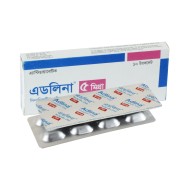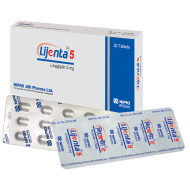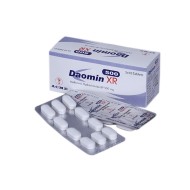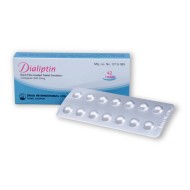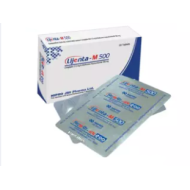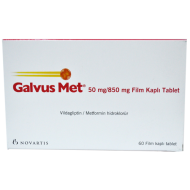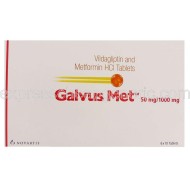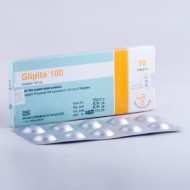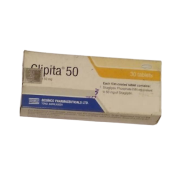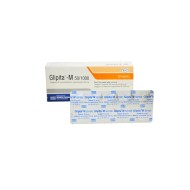
- Stock: In Stock
- Brand: Incepta Pharmaceuticals
- Product ID: Sitagliptin + Metformin Hydrochloride
🔒 100% Secure Payment | bKash | Nagad | SSLCommerz | COD
⭐ Become a FREE Member: 7% Extra Savings • Free Delivery • Refill Reminders • Priority Support
| Generic Name | Sitagliptin Phosphate + Metformin Hydrochloride |
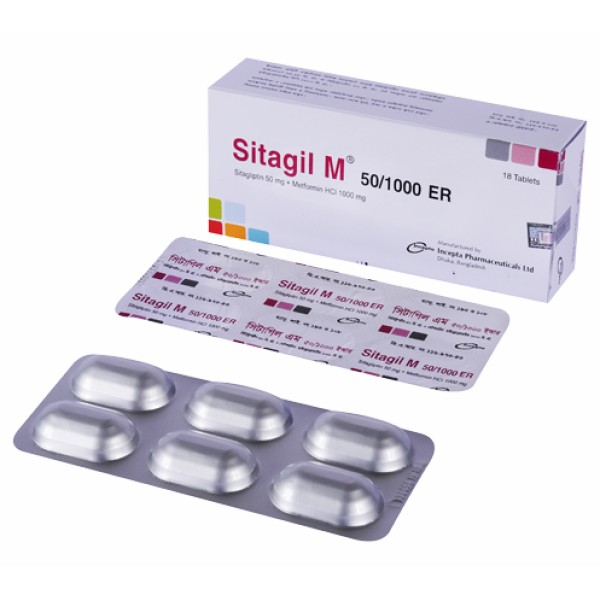
| Brand Name | Sitagil M |
| Manufacturer | Incepta Pharmaceuticals Ltd., Bangladesh |
| Dosage Form | Extended-Release (ER) Tablet |
| Strength | 50 mg Sitagliptin + 1000 mg Metformin HCl (ER) |
| Pack Size | Strip of tablets |
| Drug Class | DPP-4 Inhibitor + Biguanide (Combination Oral Antidiabetic) |
| Prescription Required | Yes — Rx Only |
| Onset / Duration | Gradual onset / once-daily extended release lasting ~24 hours |
What is Sitagil M?
Sitagil M 50/1000 ER is a fixed-dose combination tablet manufactured by Incepta Pharmaceuticals Ltd., combining sitagliptin (a DPP-4 inhibitor) and extended-release metformin hydrochloride. It is used for type 2 diabetes mellitus when treatment with metformin alone does not provide adequate blood glucose control.
Generic Name and Composition
Each extended-release tablet contains 50 mg of Sitagliptin (as phosphate monohydrate) and 1000 mg of Metformin Hydrochloride.
Indications
- Type 2 diabetes mellitus as an adjunct to diet and exercise, in patients not adequately controlled on metformin alone
- As an alternative to taking sitagliptin and metformin as separate tablets, to simplify the dosing regimen
How It Works — Mechanism of Action
Sitagliptin inhibits the DPP-4 enzyme, increasing levels of active incretin hormones (GLP-1 and GIP) that stimulate glucose-dependent insulin release and suppress glucagon secretion. Metformin reduces hepatic glucose production and improves peripheral insulin sensitivity. Together, they provide complementary blood glucose control through different pathways, with metformin released gradually via the extended-release matrix.
Dosage and Administration
- Dosage is individualized by a physician based on the patient's current metformin dose and glycemic control.
- Usually taken once daily with the evening meal; swallow whole, do not crush, split, or chew.
- Should be taken with food to minimize gastrointestinal side effects associated with metformin.
- Do not exceed the maximum recommended daily dose of metformin.
Side Effects
Common: Diarrhea, nausea, abdominal discomfort, headache, upper respiratory tract infection symptoms.
Uncommon: Hypoglycemia (especially when combined with insulin or sulfonylureas), vitamin B12 deficiency with long-term use.
Rare: Pancreatitis, severe allergic reactions, lactic acidosis (linked to the metformin component, more likely with renal impairment).
Drug Interactions
May increase risk of lactic acidosis: Iodinated contrast media, medications affecting renal clearance.
May enhance hypoglycemia: Insulin, sulfonylureas (e.g., glimepiride, gliclazide).
May reduce effectiveness: Corticosteroids, thiazide diuretics, certain antipsychotics.
Always inform your physician or pharmacist of all medicines you are taking, including herbal products.
Contraindications
- Known hypersensitivity to sitagliptin, metformin, or any excipient
- Severe renal impairment
- Acute or chronic metabolic acidosis, including diabetic ketoacidosis
- Conditions predisposing to tissue hypoxia (severe heart failure, respiratory failure, shock)
Pregnancy and Lactation
Safety in pregnancy and lactation has not been firmly established for this combination. Insulin is typically preferred for glycemic control during pregnancy. Consult your physician before use if pregnant or breastfeeding.
Precautions and Warnings
- Monitor renal function periodically, as metformin is contraindicated in significant renal impairment.
- Temporarily discontinue before procedures using iodinated contrast media, as advised by your physician.
- Watch for signs of pancreatitis (persistent severe abdominal pain) and seek medical attention if they occur.
- Use with caution in elderly patients and those with hepatic impairment.
- Limit alcohol intake to reduce the risk of lactic acidosis and hypoglycemia.
Overdose
Overdose may cause hypoglycemia (from accumulated effect) or lactic acidosis (from the metformin component), with symptoms including severe gastrointestinal upset, hypotension, and resistant bradyarrhythmias. This is a medical emergency requiring immediate hospitalization and supportive care, including hemodialysis if needed.
Storage Instructions
- Store below 30°C in a dry place, protected from light.
- Keep out of reach of children.
- Do not use after the expiry date printed on the pack.
Frequently Asked Questions
Q1: Why is Sitagil M better than taking sitagliptin and metformin separately?
Combining both medicines into one ER tablet simplifies the dosing schedule, which can improve adherence to treatment.
Q2: Can I take Sitagil M once a day?
Yes, this extended-release formulation is designed for convenient once-daily dosing, typically with the evening meal.
Q3: What should I do if I experience stomach upset?
Mild GI symptoms are common, especially when starting therapy. Taking the tablet with food often helps; contact your doctor if symptoms are severe or persistent.
Q4: How is Sitagil M different from plain Sitagil or Nobesit XR?
Sitagil M combines both sitagliptin (Sitagil) and metformin (found in Nobesit XR) in one tablet, offering dual-pathway blood sugar control instead of relying on a single mechanism.
Medical Disclaimer
This product is available by prescription only (Rx). The information provided is for educational purposes and does not replace professional medical advice. Always consult a registered physician before starting, stopping, or changing any diabetes therapy. DiabetesStore.com.bd is a licensed online pharmacy in Bangladesh.