- Stock: Out Of Stock
- Brand: Acme Laboratories Limited
- Product ID: Dextromethorphan + Pseudoephedrine + Triprolidine
🔒 100% Secure Payment | bKash | Nagad | SSLCommerz | COD
⭐ Become a FREE Member: 7% Extra Savings • Free Delivery • Refill Reminders • Priority Support
This Item is for pre order
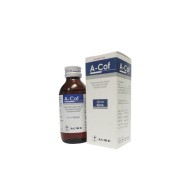
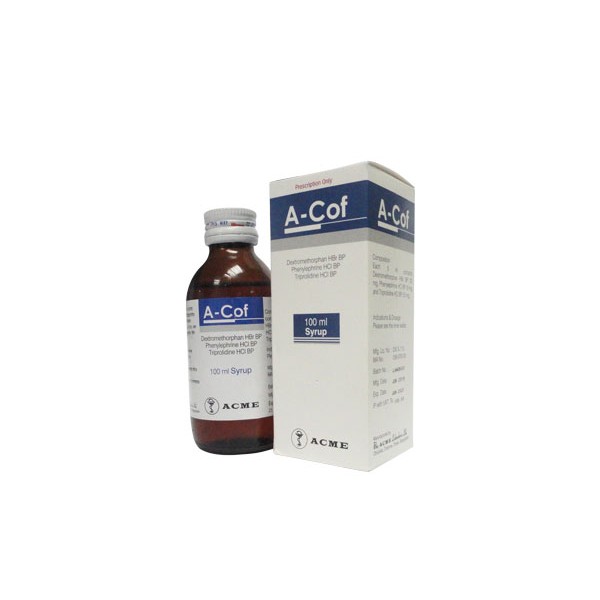
A-Cof Syrup 100ml (Dextromethorphan + Pseudoephedrine + Triprolidine) — Product Overview
| Quick Reference | |
|---|---|
| Brand Name | A-Cof Syrup 100 ml |
| Active Ingredients | Dextromethorphan HBr + Pseudoephedrine HCl + Triprolidine HCl |
| Drug Class | Antitussive + Decongestant + Antihistamine (combination cough syrup) |
| Manufacturer | ACI Limited, Bangladesh |
| Dosage Form | Oral Syrup — 100 ml bottle |
| Key Uses | Cough, nasal congestion, runny nose, sneezing from colds and upper respiratory infections |
| Important Note | Contains pseudoephedrine — use with caution in diabetes, hypertension, heart disease |
| Prescription Status | OTC / Pharmacist consultation recommended |
What is A-Cof Syrup?
A-Cof Syrup is a triple-combination cough and cold preparation containing three active components: Dextromethorphan (antitussive — suppresses cough), Pseudoephedrine (decongestant — relieves nasal congestion), and Triprolidine (first-generation antihistamine — relieves runny nose, sneezing, and itchy eyes). This combination addresses the three most common symptoms of upper respiratory tract infections (URTIs), colds, allergic rhinitis, and sinusitis simultaneously, reducing the need for multiple separate preparations.
How Each Ingredient Works
Dextromethorphan HBr (Antitussive): Acts on the cough centre in the medulla oblongata to suppress the cough reflex. Unlike codeine, it has no analgesic activity and minimal addiction potential at therapeutic doses. Effective for dry, unproductive coughs — it does not expel phlegm.
Pseudoephedrine HCl (Decongestant): A sympathomimetic amine that acts on alpha-1 adrenergic receptors in nasal mucosa blood vessels, causing vasoconstriction and reduced nasal congestion. Unlike topical nasal decongestants, systemic pseudoephedrine does not cause rebound congestion with prolonged use but does have systemic sympathomimetic effects (raised BP, tachycardia, CNS stimulation).
Triprolidine HCl (Antihistamine): A first-generation H1 antihistamine that blocks histamine receptors, reducing sneezing, rhinorrhoea (runny nose), and itchy eyes associated with allergic rhinitis and colds. First-generation antihistamines cross the blood-brain barrier, causing sedation in some patients — useful for nighttime dosing but requires caution with driving or machinery.
Indications
- Common cold — symptomatic relief of cough, congestion, and runny nose
- Upper respiratory tract infection (URTI) — post-viral cough and congestion
- Allergic rhinitis — sneezing, rhinorrhoea, nasal congestion with cough
- Sinusitis — congestion component relief
- Influenza symptoms — as symptomatic adjunct (not antiviral)
Dosage
Adults and children over 12: 10 ml (2 teaspoons) three to four times daily, with or after food.
Children 6–12 years: 5 ml (1 teaspoon) three to four times daily.
Children under 6 years: Not recommended without specific paediatric dose advice from a doctor.
Maximum duration: 5–7 days for acute cold/URTI. Do not use longer without medical advice — persistent cough may indicate an underlying condition (asthma, GERD, post-nasal drip).
Take with food to reduce nausea. Avoid taking near bedtime if pseudoephedrine causes insomnia.
A-Cof Syrup and Diabetes — Important Considerations
People with diabetes need to be aware of two issues with A-Cof Syrup:
1. Pseudoephedrine and blood glucose: Pseudoephedrine is a sympathomimetic agent. Sympathomimetics stimulate glycogenolysis and gluconeogenesis, potentially raising blood glucose levels. Diabetic patients using A-Cof should monitor blood glucose more frequently during use. The effect is generally modest at therapeutic doses but can be clinically significant in individuals with poorly controlled diabetes or on multiple antidiabetic medications.
2. Pseudoephedrine and blood pressure: Pseudoephedrine raises blood pressure through vasoconstriction and increased cardiac output. Most diabetic patients also have hypertension. A-Cof Syrup should be used with caution and BP monitored during use. Avoid in patients with uncontrolled hypertension.
3. Syrup sugar content: Like most syrups, A-Cof may contain sugar as an excipient. Diabetic patients who are very sensitive to glucose intake may prefer to count this into their carbohydrate allowance, or ask for sugar-free alternative formulations.
Safer alternative: For diabetic patients with a simple dry cough without congestion, Dextromethorphan alone (without pseudoephedrine) is a safer choice.
Contraindications
- MAO inhibitor therapy (current or within 14 days) — severe hypertensive crisis risk with pseudoephedrine
- Uncontrolled hypertension
- Severe ischaemic heart disease or arrhythmias
- Hyperthyroidism
- Angle-closure glaucoma
- Urinary retention / prostatic hypertrophy (antihistamine anticholinergic effect)
- Concurrent use of other CNS depressants with alcohol (triprolidine sedation)
Side Effects
Pseudoephedrine: Raised blood pressure, palpitations, tachycardia, headache, insomnia, nervousness, urinary retention in men with prostate problems.
Triprolidine (antihistamine): Drowsiness, dry mouth, blurred vision, urinary hesitancy, constipation (anticholinergic effects). Do not drive or operate machinery if drowsy.
Dextromethorphan: Nausea, dizziness at therapeutic doses. At very high doses — CNS effects (misuse potential — do not exceed recommended dose).
Drug Interactions
- MAO inhibitors: Absolutely contraindicated — risk of hypertensive crisis (pseudoephedrine) and serotonin syndrome (dextromethorphan)
- Antihypertensives: Pseudoephedrine antagonises blood pressure medications — monitor BP
- Other antihistamines/sedatives/alcohol: Additive CNS depression with triprolidine
- Beta-blockers: Pseudoephedrine + non-selective beta-blockers may cause hypertension
- Digoxin: Sympathomimetics may increase risk of arrhythmia
Frequently Asked Questions (FAQ)
Q: Can people with diabetes take A-Cof Syrup?
A: With caution. Pseudoephedrine can raise blood glucose and blood pressure — two areas already affected by diabetes. Monitor blood glucose and BP during use. Use the lowest effective dose for the shortest time. Consult your doctor if you have uncontrolled hypertension or diabetes.
Q: Does A-Cof make you drowsy?
A: The triprolidine component (antihistamine) causes drowsiness in some people. This can be useful for nighttime dosing but means A-Cof should be used carefully when driving, operating machinery, or in occupations requiring full alertness.
Q: Can I give A-Cof Syrup to children?
A: For children 6–12, half the adult dose (5 ml, 3–4 times daily). Not recommended for children under 6 without medical guidance. Combination cold/cough syrups with pseudoephedrine are not recommended for children under 2 years old.
Q: Does A-Cof treat the infection causing the cough?
A: No. A-Cof is purely symptomatic — it relieves cough, congestion, and runny nose but does not treat the underlying viral infection. Antibiotics are not needed for viral URTIs. If symptoms worsen, persist beyond 7 days, or fever develops, seek medical evaluation.
Medical Disclaimer
For educational purposes only. Not medical advice. Consult your pharmacist or doctor before using A-Cof if you have diabetes, hypertension, heart disease, thyroid disease, glaucoma, or are taking MAO inhibitors or other medications.