- Stock: Out Of Stock
- Brand: Acme Laboratories Limited
- Product ID: Dextromethorphan + Pseudoephedrine + Triprolidine
🔒 100% Secure Payment | bKash | Nagad | SSLCommerz | COD
⭐ Become a FREE Member: 7% Extra Savings • Free Delivery • Refill Reminders • Priority Support
This Item is for pre order
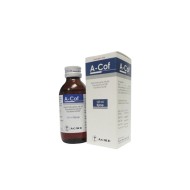
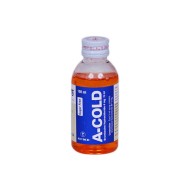
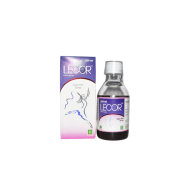
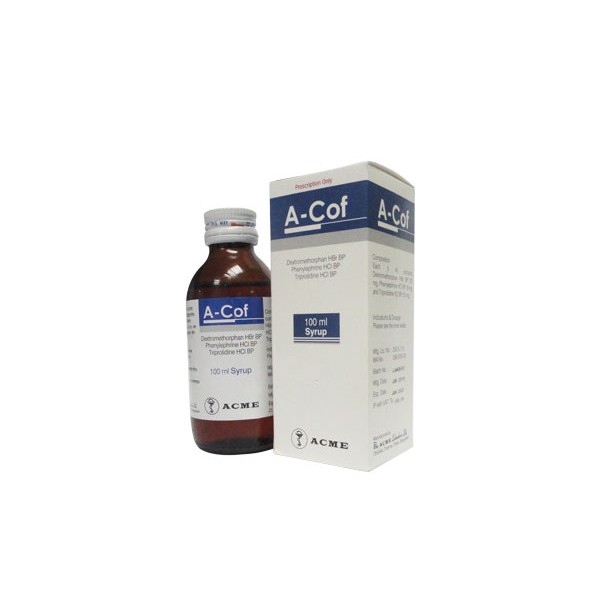
A COF Syrup 100ml
Generic Name: Dextromethorphan HBr + Pseudoephedrine HCl + Triprolidine HCl
Manufacturer: Beximco Pharmaceuticals Ltd.
Drug Class: Antitussive + Nasal Decongestant + Antihistamine Combination
Dosage Form: Oral Syrup, 100ml bottle
Prescription Status: Prescription Only (Rx)
Composition
| Active Ingredient | Typical Strength (per 5ml) | Role |
|---|---|---|
| Dextromethorphan HBr | 10 mg | Non-opioid antitussive — suppresses cough centre in medulla |
| Pseudoephedrine HCl | 30 mg | Sympathomimetic nasal decongestant — alpha and beta adrenergic agonist |
| Triprolidine HCl | 1.25 mg | First-generation H1 antihistamine — reduces nasal secretions and sneezing |
Mechanism of Action
Dextromethorphan acts centrally on the cough centre in the medullary region of the brain to suppress the cough reflex. It has no analgesic activity and does not cause respiratory depression at therapeutic doses.
Pseudoephedrine is a direct and indirect sympathomimetic agent that stimulates alpha-adrenergic receptors in nasal mucosa, causing vasoconstriction and reduction of nasal congestion. It also has mild beta-adrenergic effects, which can increase heart rate and blood glucose.
Triprolidine is a first-generation H1-receptor antagonist that competitively blocks histamine, reducing allergic symptoms including sneezing, rhinorrhoea, and itching. It also has sedative effects due to CNS penetration.
Indications
- Symptomatic relief of upper respiratory tract symptoms associated with common cold, allergic rhinitis, and sinusitis
- Dry, non-productive cough combined with nasal congestion
- Rhinorrhoea, sneezing, and post-nasal drip
Dosage and Administration
| Age Group | Dose | Frequency |
|---|---|---|
| Adults and children >12 years | 10ml (2 teaspoons) | Every 4–6 hours (max 4 doses/day) |
| Children 6–12 years | 5ml (1 teaspoon) | Every 4–6 hours (max 4 doses/day) |
| Children 2–6 years | 2.5ml | Every 4–6 hours (as directed by physician) |
| Children under 2 years | Not recommended without physician supervision | |
Take with or without food. Shake the bottle gently before each use. Do not exceed the recommended dose.
Critical Warning for Diabetic Patients
Pseudoephedrine and Diabetes — Key Considerations:
- Blood glucose elevation: Pseudoephedrine stimulates beta-adrenergic receptors, triggering glycogenolysis and gluconeogenesis in the liver, which can raise blood glucose by 1–3 mmol/L in diabetic patients — monitor blood glucose closely during use
- Cardiovascular risk: Pseudoephedrine raises heart rate and blood pressure — use with caution in patients with hypertension, ischaemic heart disease, or diabetic autonomic neuropathy affecting cardiac function
- Interaction with antidiabetic medications:
— Insulin and sulphonylureas: Pseudoephedrine may reduce hypoglycaemic effect; blood glucose may need closer monitoring and dose adjustment
— MAO inhibitors: Absolute contraindication — potentially fatal hypertensive crisis; do not use within 14 days of MAOI therapy
— Beta-blockers: Pseudoephedrine may antagonise antihypertensive effect - Triprolidine (antihistamine) in diabetes: May cause sedation — risk of drowsiness during driving or operation of machinery; caution in patients prone to hypoglycaemia unawareness, as sedation can mask early hypoglycaemia symptoms
- Dextromethorphan: May interact with certain antidepressants (SSRIs, SNRIs, MAOIs) — risk of serotonin syndrome; no direct effect on blood glucose
- Renal impairment (diabetic nephropathy): Both pseudoephedrine and triprolidine are renally eliminated — use with caution in moderate-to-severe renal failure; consult prescriber for dose reduction
- Sucrose content: Many cough syrups contain sucrose as sweetener — confirm with pharmacist if sugar-free formulation is required for strict glycaemic management
Contraindications
- Concomitant use or use within 14 days of monoamine oxidase inhibitors (MAOIs)
- Severe hypertension or coronary artery disease
- Hyperthyroidism
- Angle-closure glaucoma
- Urinary retention or bladder neck obstruction
- Productive cough with excessive secretions (dextromethorphan contraindicated)
- Known hypersensitivity to any component
Side Effects
| System | Side Effects |
|---|---|
| CNS | Sedation, drowsiness, dizziness (triprolidine); excitation, insomnia (pseudoephedrine) |
| Cardiovascular | Palpitations, tachycardia, elevated blood pressure (pseudoephedrine) |
| GI / Urinary | Nausea, dry mouth, urinary retention (anticholinergic — triprolidine) |
| Endocrine | Transient blood glucose elevation (pseudoephedrine) |
Storage
Store below 30°C away from direct sunlight. Keep tightly closed. Keep out of reach of children. Do not freeze.
Medical Disclaimer
The information provided here is for educational and informational purposes only and is not a substitute for professional medical advice, diagnosis, or treatment. Always consult your doctor or pharmacist before starting, stopping, or altering any medication. Diabetic patients should exercise particular caution with pseudoephedrine-containing products. DiabetesStore.com.bd does not endorse self-medication. Seek immediate medical attention in case of any adverse reaction.