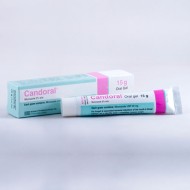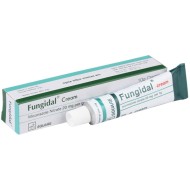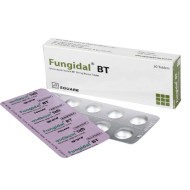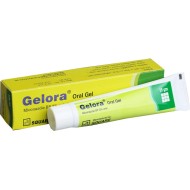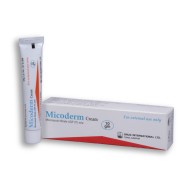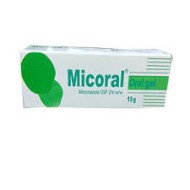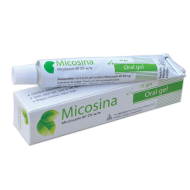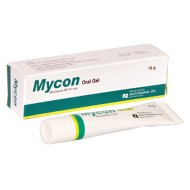
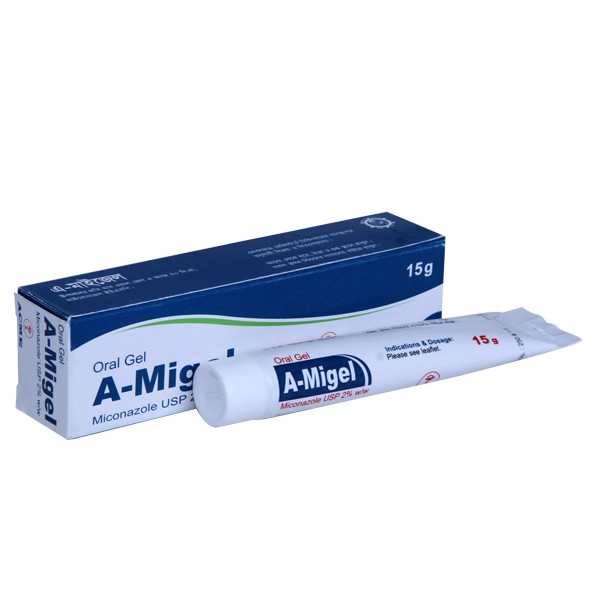
- Stock: Out Of Stock
- Brand: Acme Laboratories Limited
- Product ID: Miconazole Nitrate
🔒 100% Secure Payment | bKash | Nagad | SSLCommerz | COD
⭐ Become a FREE Member: 7% Extra Savings • Free Delivery • Refill Reminders • Priority Support
This Item is for pre order
A-Migel 30 gm Gel (Miconazole Nitrate 2%) — Product Overview
| Quick Reference | |
|---|---|
| Brand Name | A-Migel Gel |
| Generic Name | Miconazole Nitrate 2% w/w |
| Drug Class | Imidazole Antifungal (Topical) |
| Manufacturer | ACI Limited, Bangladesh |
| Dosage Form | Topical Gel |
| Pack Size | 30 gm tube |
| Spectrum | Broad-spectrum: fungi, dermatophytes, Candida, Gram-positive bacteria |
| Storage | Below 25°C, do not freeze |
| Prescription Status | Available without prescription (OTC) |
What is A-Migel Gel (Miconazole)?
A-Migel Gel contains Miconazole Nitrate 2%, a broad-spectrum imidazole antifungal agent for topical use. Miconazole is unique among topical antifungals in that it is effective against both fungi (dermatophytes, Candida) and certain Gram-positive bacteria (Staphylococcus, Streptococcus), making it useful for mixed fungal-bacterial skin infections. The gel formulation is particularly suited for moist or weeping skin areas, intertrigo, and oral infections. A-Migel is widely used in Bangladesh for common fungal skin conditions including ringworm, athlete's foot, jock itch, and Candida infections.
Why Miconazole is Important for Diabetic Patients
Diabetic patients are significantly more susceptible to fungal infections due to elevated blood glucose creating an optimal growth environment for fungi, impaired immune response, and reduced skin integrity. Common fungal infections in diabetes include: intertrigo (skin fold infections), onychomycosis (nail fungus), Candida balanitis or vulvovaginitis, and tinea pedis (athlete's foot — a particular concern as it can lead to breaks in skin and diabetic foot complications). Regular use of appropriate antifungals like A-Migel is an important component of diabetic skin care.
Mechanism of Action
Miconazole inhibits the fungal cytochrome P450-dependent enzyme lanosterol 14-alpha-demethylase, which is responsible for converting lanosterol to ergosterol — the primary sterol in fungal cell membranes. Without ergosterol, fungal cell membranes become dysfunctional, causing increased permeability, loss of cellular contents, and cell death. This mechanism is highly selective for fungal cells (which use ergosterol) over human cells (which use cholesterol), minimising systemic toxicity with topical use.
Indications
A-Migel Gel is indicated for topical treatment of:
- Tinea infections (dermatophytosis): Ringworm (tinea corporis), athlete's foot (tinea pedis), jock itch (tinea cruris), tinea faciei
- Cutaneous Candidiasis: Candida intertrigo (skin fold infections — groin, underarms, under breasts), Candida nappy rash
- Pityriasis versicolor: Skin discolouration caused by Malassezia furfur
- Oral thrush: Miconazole gel is applied to oral mucosa for Candida stomatitis/thrush (specific oral gel formulation)
- Mixed infections: Fungal infections complicated by secondary staphylococcal or streptococcal bacteria
- Diabetic skin folds: Prevention and treatment of intertrigo in diabetic patients
How to Use A-Migel Gel
Application frequency: Apply to affected area twice daily (morning and evening).
Duration of treatment:
- Tinea infections: 2–4 weeks (continue for 1 week after clinical cure to prevent relapse)
- Candida intertrigo: 2–4 weeks
- Pityriasis versicolor: 2–3 weeks
How to apply correctly: Clean and dry the affected area thoroughly before application. Apply a thin layer of gel, gently spreading over the affected skin and a small margin of surrounding normal skin. Do not occlude (cover with airtight dressing) unless advised by a doctor.
Hands hygiene: Wash hands after applying, unless hands themselves are being treated.
Contraindications
- Hypersensitivity to miconazole or other imidazoles (clotrimazole, ketoconazole)
- Do not apply to eyes or mucous membranes (except oral gel formulation specifically designed for that)
Side Effects
Local reactions (uncommon): Mild burning, stinging, or itching on application — usually transient and resolves within days. Contact dermatitis (allergic or irritant) — rare.
Topical miconazole is very well tolerated. Systemic absorption from topical gel is minimal, so systemic side effects are extremely rare.
Drug Interactions (Topical)
Topical miconazole has minimal systemic absorption; interactions are generally not a concern with topical use. However, if applied extensively over large body surface areas:
- Warfarin: Even topical miconazole can potentially inhibit CYP2C9 and enhance warfarin's anticoagulant effect — monitor if applying to large areas in patients on warfarin
Frequently Asked Questions (FAQ)
Q: How long should I use A-Migel Gel?
A: Apply twice daily for the full recommended course — typically 2–4 weeks for most fungal infections. Continue for 1 week after visible symptoms resolve to prevent relapse. Stopping too early is the most common cause of reinfection.
Q: Can diabetic patients use A-Migel Gel?
A: Yes — in fact, A-Migel is particularly recommended for diabetics who are prone to fungal infections. Controlling blood glucose alongside antifungal treatment gives the best results. Keep skin folds dry and clean.
Q: Is A-Migel Gel effective against ringworm?
A: Yes. Miconazole effectively treats tinea corporis (ringworm), tinea cruris (jock itch), and tinea pedis (athlete's foot). Apply twice daily to the rash and 1 cm of surrounding skin for at least 2 weeks.
Q: Can A-Migel Gel be used in sensitive skin areas?
A: Yes. The gel formulation is generally well-tolerated on sensitive skin areas including skin folds (groin, underarms). It is also used for nappy rash in infants caused by Candida. Avoid applying near the eyes or on broken skin unless advised by a doctor.
Medical Disclaimer
The information provided is for educational purposes only. If the skin condition does not improve within 2 weeks of use, or worsens, consult a healthcare professional. Diabetic patients with foot fungal infections should consult a doctor, as these can progress to more serious complications.