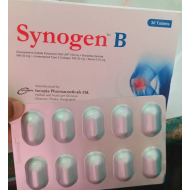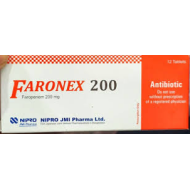

- Stock: Out Of Stock
- Brand: Aristopharma
- Product ID: Erythromycin
Available Options
🔒 100% Secure Payment | bKash | Nagad | SSLCommerz | COD
⭐ Become a FREE Member: 7% Extra Savings • Free Delivery • Refill Reminders • Priority Support
This Item is for pre order
A-Mycin DS Suspension 100ml — Erythromycin 250mg/5ml | Beximco Pharmaceuticals
| Generic Name | Erythromycin 250mg per 5ml (Double Strength Suspension) |
| Drug Class | Macrolide Antibiotic |
| Manufacturer | Beximco Pharmaceuticals Ltd. |
| Route | Oral (Suspension) |
| Pack Size | 100ml Bottle |
| Prescription Status | Prescription Required |
Overview
A-Mycin DS Suspension contains Erythromycin at 250mg per 5ml (Double Strength) — an oral macrolide antibiotic in liquid form, especially suited for paediatric patients and adults who cannot swallow tablets or capsules. Erythromycin is a first-generation macrolide that inhibits bacterial protein synthesis and is effective against Gram-positive organisms, atypical pathogens, and selected Gram-negative organisms. It is a key alternative antibiotic for patients with penicillin allergy and is widely used for respiratory tract infections, skin infections, and Helicobacter pylori eradication (in combination regimens).
Mechanism of Action
Erythromycin binds reversibly to the 23S rRNA of the 50S bacterial ribosomal subunit, blocking translocation of the peptidyl-tRNA and inhibiting protein synthesis. It is bacteriostatic at standard doses. Erythromycin also has prokinetic properties (motilin receptor agonist) — relevant in diabetic gastroparesis, where it can increase gastric motility, though it is not first-line for this indication.
Spectrum of Activity
| Category | Organisms |
|---|---|
| Gram-positive | Streptococcus pyogenes, S. pneumoniae, S. agalactiae, MSSA (mild infections) |
| Atypical pathogens | Mycoplasma pneumoniae, Chlamydia spp., Legionella pneumophila |
| Other | Campylobacter jejuni, Helicobacter pylori (combination), Bordetella pertussis (whooping cough) |
| Limited/not covered | MRSA, most Gram-negative enteric organisms, Pseudomonas |
Indications
- Upper and lower respiratory tract infections — pharyngitis, tonsillitis, pneumonia (community-acquired, atypical)
- Penicillin-allergic patients with streptococcal or pneumococcal infections
- Skin and soft tissue infections (mild-moderate, MSSA)
- Chlamydial infections
- Whooping cough (Bordetella pertussis) — prophylaxis and treatment
- Campylobacter gastroenteritis
- H. pylori eradication (in combination regimens)
Dosage
| Indication | Dose (Erythromycin) | Frequency | Duration |
|---|---|---|---|
| Adults — most infections | 250–500mg (5–10ml DS suspension) | Every 6 hours | 5–10 days |
| Children (body weight) | 30–50mg/kg/day divided | Every 6–8 hours | Per indication |
| Severe infections | Up to 4g/day in divided doses | Every 6 hours | As directed |
| H. pylori (combination) | 500mg | Twice daily | 7–14 days (with PPI + amoxicillin) |
Shake well before each use. Measure with provided dosing spoon/syringe. Best taken on an empty stomach (30 min before or 2 hours after food), though may be taken with food if GI side effects occur. Refrigerate after reconstitution — use within 14 days. Check product label for specific reconstitution instructions.
Important Notes for Diabetic Patients
- Gastroparesis consideration: Erythromycin has motilin receptor agonist activity and stimulates gastric motility. In diabetic patients with gastroparesis, short courses of erythromycin can accelerate gastric emptying — however, tolerance (tachyphylaxis) develops within days. It should not be used as primary gastroparesis therapy in standard antibiotic courses
- QT prolongation risk: Erythromycin prolongs the cardiac QT interval. Diabetic patients with cardiac autonomic neuropathy may already have QT prolongation. Concomitant use with other QT-prolonging drugs (fluoroquinolones, certain antidiabetics like glipizide at high doses) increases arrhythmia risk — use with caution; ECG monitoring may be warranted
- Drug interactions with diabetes medications: Erythromycin inhibits CYP3A4 — it can increase plasma levels of drugs metabolised by this enzyme. Check interactions carefully with repaglinide and other antidiabetics metabolised by CYP3A4
- Penicillin-allergy alternative: For diabetic patients with confirmed penicillin allergy who develop skin, respiratory, or soft tissue infections, erythromycin is a frequently used alternative — but erythromycin resistance is increasing in many regions
Side Effects
| System | Side Effect | Severity |
|---|---|---|
| GI | Nausea, vomiting, abdominal cramps, diarrhoea — most common adverse effects | Common — Mild to Moderate |
| Hepatic | Cholestatic hepatitis (especially estolate ester — rare with ethylsuccinate/stearate) | Rare |
| Cardiac | QT prolongation, risk of torsades de pointes (at high doses or with interacting drugs) | Uncommon — potentially Serious |
| Hypersensitivity | Rash, urticaria | Uncommon |
| Hearing | Reversible ototoxicity (high doses, prolonged use) | Rare |
Drug Interactions
| Drug | Interaction |
|---|---|
| Simvastatin / lovastatin | Erythromycin (CYP3A4 inhibitor) markedly increases statin levels — risk of myopathy/rhabdomyolysis. Use atorvastatin or rosuvastatin instead |
| Warfarin | Increases warfarin effect — monitor INR closely |
| Cyclosporin / tacrolimus | Increased immunosuppressant levels — nephrotoxicity risk |
| Repaglinide | CYP3A4 inhibition may increase repaglinide levels — monitor glucose |
| QT-prolonging drugs (fluoroquinolones, antipsychotics, antifungals) | Additive QT prolongation — avoid combination or use with ECG monitoring |
| Digoxin | May increase digoxin levels via gut flora suppression — monitor |
| Colchicine | Increased colchicine toxicity — potentially fatal |
Contraindications
- Known hypersensitivity to erythromycin or other macrolides
- Concomitant use with ergotamine or dihydroergotamine (risk of acute ergotism)
- Concomitant use with cisapride, pimozide, or terfenadine (QT prolongation risk)
- Pre-existing QT prolongation or history of torsades de pointes
- Hepatic impairment (use with caution — reduce dose)
Storage
Before reconstitution: Store below 25°C. After reconstitution: Refrigerate (2–8°C) and use within 14 days. Shake well before each dose. Keep out of reach of children.
Frequently Asked Questions
Q: Why does erythromycin cause stomach upset?
A: Erythromycin stimulates motilin receptors in the gut, increasing GI motility — this causes the nausea, cramping, and diarrhoea that are its most common side effects. Taking it with a small amount of food can reduce (not eliminate) this effect.
Q: I am on simvastatin for cholesterol — can I take A-Mycin?
A: No — erythromycin significantly increases simvastatin levels via CYP3A4 inhibition, risking severe muscle damage (rhabdomyolysis). Switch to atorvastatin or rosuvastatin during any erythromycin course. Inform your physician.
Q: How is DS (Double Strength) different from standard erythromycin suspension?
A: DS suspension provides 250mg per 5ml, compared to 125mg/5ml in standard suspension. This allows smaller volume doses for the same effect — particularly useful for older children and adults.
Medical Disclaimer: A-Mycin DS Suspension (Erythromycin 250mg/5ml) is a prescription-only antibiotic. Significant drug interactions with statins, warfarin, and QT-prolonging agents. Diabetic patients on simvastatin must switch to atorvastatin during treatment. Refrigerate after reconstitution and use within 14 days. This information is for educational purposes only. Always follow your physician's instructions.