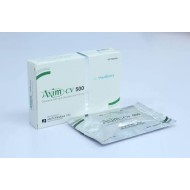

- Stock: In Stock
- Product ID: Cephradine
Available Options
🔒 100% Secure Payment | bKash | Nagad | SSLCommerz | COD
⭐ Become a FREE Member: 7% Extra Savings • Free Delivery • Refill Reminders • Priority Support
Abaclor 500mg Capsule
Generic Name: Cefaclor Monohydrate 500mg
Manufacturer: Beximco Pharmaceuticals Ltd.
Drug Class: Second-Generation Cephalosporin Antibiotic
Dosage Form: Hard Gelatin Capsule
Prescription Status: Prescription Only (Rx)
Mechanism of Action
Cefaclor is a bactericidal second-generation cephalosporin. It inhibits bacterial cell wall synthesis by binding to penicillin-binding proteins (PBPs), preventing peptidoglycan cross-linking and causing osmotic lysis. The 500mg strength provides higher tissue concentrations suited for moderate-to-severe infections, particularly those caused by beta-lactamase-producing H. influenzae and gram-negative pathogens resistant to first-generation cephalosporins.
Spectrum of Activity
| Sensitivity | Organisms |
|---|---|
| Gram-positive | S. aureus (MSSA), S. pyogenes, S. pneumoniae, S. agalactiae |
| Gram-negative | H. influenzae, E. coli, Klebsiella pneumoniae, Proteus mirabilis, Moraxella catarrhalis |
| Resistant | MRSA, Pseudomonas aeruginosa, Enterococcus spp., ESBL-producing organisms |
Indications
- Moderate-to-severe upper and lower respiratory tract infections (community-acquired pneumonia, acute exacerbation of chronic bronchitis, sinusitis)
- Otitis media caused by beta-lactamase-producing H. influenzae
- Urinary tract infections — cystitis and uncomplicated pyelonephritis
- Skin and soft tissue infections (cellulitis, impetigo, wound infections)
Dosage and Administration
| Patient | Dose | Frequency | Duration |
|---|---|---|---|
| Adults (moderate infections) | 250–500 mg | Every 8 hours | 7–10 days |
| Adults (severe RTI / pneumonia) | 500 mg | Every 8 hours | 10–14 days |
| Max daily dose | 4g/day | — | As directed |
Take with or without food; food may reduce GI side effects. Complete the full prescribed course to prevent treatment failure and resistance.
Important Notice for Diabetic Patients
- Diabetic foot/soft tissue infections: Covers MSSA and Streptococcus — appropriate for mild-to-moderate gram-positive soft tissue infections; NOT adequate for MRSA or gram-negative polymicrobial diabetic foot infections requiring culture-guided therapy
- Diabetic respiratory infections: Good choice for community-acquired pneumonia and acute bronchitis in ambulatory diabetic patients where H. influenzae is likely; confirm organism susceptibility if no improvement in 48–72 hours
- Renal dose adjustment (diabetic nephropathy): Reduce dose by 50% or extend dosing interval when CrCl <30 ml/min. Check current eGFR before prescribing and adjust accordingly
- False-positive urine glucose: Cefaclor interferes with copper reduction urine glucose tests. Use glucose oxidase dipstick methods only
- Serum sickness-like reaction: Cefaclor carries a higher incidence of this reaction (fever, rash, joint pain) than other oral cephalosporins — typically appearing 1–3 weeks into therapy; stop and review if symptoms arise
- Infection-related hyperglycaemia: Monitor blood glucose closely during treatment — active infections frequently cause significant glucose elevation
Contraindications
- Hypersensitivity to cefaclor or any cephalosporin
- History of immediate hypersensitivity (anaphylaxis) to penicillins
- Severe renal failure without dose adjustment
Side Effects
| System | Side Effects |
|---|---|
| Gastrointestinal | Nausea, diarrhoea, abdominal discomfort, C. difficile-associated diarrhoea (rare) |
| Hypersensitivity | Serum sickness-like reaction (fever, rash, arthralgia), urticaria, anaphylaxis (rare) |
| Haematological | Eosinophilia, transient neutropenia, positive Coombs test |
| Hepatic | Transient elevation of ALT, AST, alkaline phosphatase |
Drug Interactions
- Probenecid: Increases cefaclor plasma levels by reducing renal clearance
- Warfarin: Potential potentiation of anticoagulant effect — monitor INR
- Antacids (Al/Mg): Reduce absorption; administer cefaclor 1–2 hours before antacids
- Metformin: No direct pharmacokinetic interaction; review if renal function declines
Storage
Store below 25°C in a cool, dry place away from moisture and direct sunlight. Keep out of reach of children.
Medical Disclaimer
The information provided here is for educational and informational purposes only and is not a substitute for professional medical advice, diagnosis, or treatment. Always consult your doctor or pharmacist before starting, stopping, or altering any medication. Antibiotic therapy should be guided by culture and sensitivity results where possible. DiabetesStore.com.bd does not endorse self-medication. Seek immediate medical attention in case of any adverse reaction.