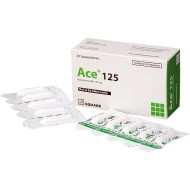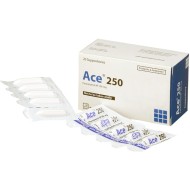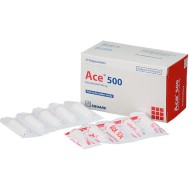
- Stock: Out Of Stock
- Brand: Square Pharmaceuticals
- Product ID: Paracetamol
🔒 100% Secure Payment | bKash | Nagad | SSLCommerz | COD
⭐ Become a FREE Member: 7% Extra Savings • Free Delivery • Refill Reminders • Priority Support
This Item is for pre order
| Generic Name | Paracetamol |
| Strength | 80 mg/ml |
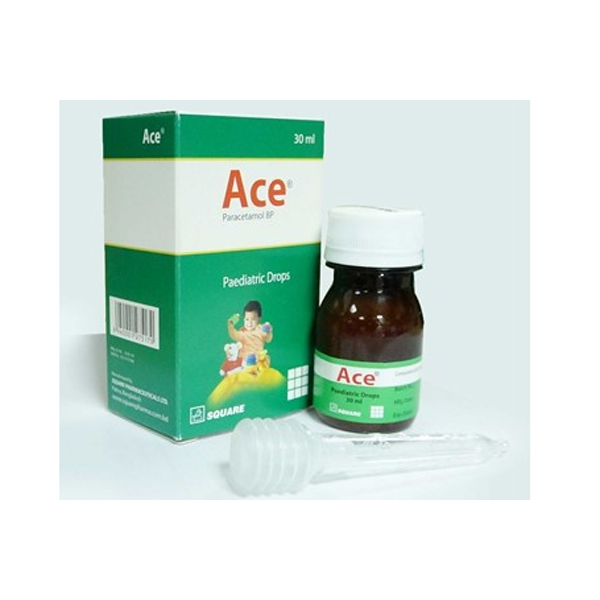
| Dosage Form | Pediatric Drop |
| Manufacturer | Square Pharmaceuticals PLC |
| Therapeutic Class | Non-Opioid Analgesics |
| Pack Size | 30 ml Bottle |
Overview
Ace Pediatric Drop 80 mg/ml is a concentrated Paracetamol formulation by Square Pharmaceuticals PLC, designed specifically for infants and young children who need precise, low-volume dosing for fever and pain relief.
Indications
Ace Pediatric Drop is indicated for fever, common cold and influenza, headache, toothache, earache, bodyache, myalgia, sprains, colic pain, post-operative pain, postpartum pain, inflammatory pain, and post-vaccination pain in children.
Pharmacology
Paracetamol exhibits analgesic action by peripherally blocking pain impulse generation and produces antipyresis by inhibiting the hypothalamic heat-regulating centre. It is thought to act primarily in the CNS, increasing the pain threshold by inhibiting cyclooxygenase isoforms (COX-1, COX-2, and COX-3) involved in prostaglandin synthesis. Unlike NSAIDs, it has minimal peripheral anti-inflammatory effect. Its antipyretic action is likely due to direct effects on the hypothalamic heat-regulating centre, resulting in peripheral vasodilation, sweating, and heat loss.
Dosage and Administration
Pediatric Drop dosing by age:
- Up to 3 months: 0.5 ml (40 mg)
- 4 to 11 months: 1.0 ml (80 mg)
- 7 months to 2 years: 1.5 ml (120 mg)
Do not exceed more than 5 doses daily, for a maximum of 5 days, unless advised by a physician.
Interaction
Patients who have taken barbiturates, tricyclic antidepressants, or alcohol may show diminished ability to metabolize large doses of paracetamol. Alcohol can increase hepatotoxicity in overdose. Chronic ingestion of anticonvulsants or oral steroid contraceptives induces liver enzymes and may reduce attainment of therapeutic levels by increasing first-pass metabolism or clearance.
Contraindications
Contraindicated in known hypersensitivity to Paracetamol.
Side Effects
Side effects are usually mild, though haematological reactions including thrombocytopenia, leucopenia, pancytopenia, neutropenia, and agranulocytosis have been reported rarely. Pancreatitis, skin rashes, and other allergic reactions occur occasionally.
Pregnancy and Lactation
Epidemiological studies in human pregnancy have shown no ill effects from Paracetamol used at recommended doses, but patients should follow their doctor's advice. Paracetamol is excreted in breast milk in clinically insignificant amounts; available data do not contraindicate breastfeeding.
Precautions and Warnings
Care is advised when administering to children with renal or hepatic impairment. Do not exceed the stated dose or use other paracetamol-containing products concurrently, as this raises the risk of hepatotoxicity. Doses higher than recommended may cause hepatic injury, including severe hepatotoxicity. Use this medication only for the child for whom it was prescribed.
Storage Conditions
Keep in a dry place away from light and heat. Keep out of the reach of children.
Frequently Asked Questions
Q: How is Ace Pediatric Drop different from Ace Suspension or Syrup?
A: The Pediatric Drop is a more concentrated formulation (80 mg/ml) intended for precise small-volume dosing in infants, whereas the suspension/syrup (120 mg/5 ml) is intended for larger doses in older children.
Q: Can I give this drop with food?
A: Yes, it can be given with or without food; giving it with milk or food may help prevent stomach upset.
This content is for informational purposes only and is not a substitute for professional medical advice. Please consult a registered physician before starting, stopping, or changing any medication, especially in infants.