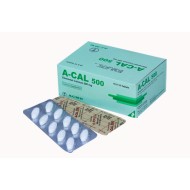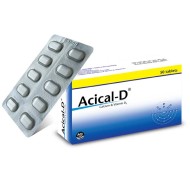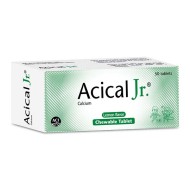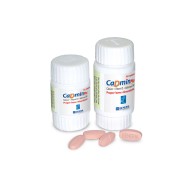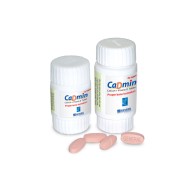
- Stock: Out Of Stock
- Brand: ACI Pharmaceuticals
- Product ID: Calcium Carbonate + Vitamin D3 + Multimineral
🔒 100% Secure Payment | bKash | Nagad | SSLCommerz | COD
⭐ Become a FREE Member: 7% Extra Savings • Free Delivery • Refill Reminders • Priority Support
This Item is for pre order
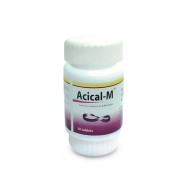
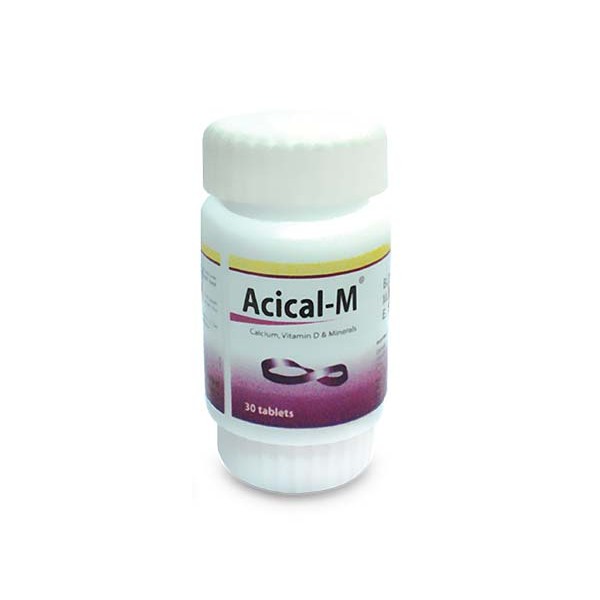
Acical-M Tablet — Calcium + Vitamin D3 + Multimineral Complex
| Product Overview | |
|---|---|
| Brand Name | Acical-M® |
| Generic Name | Calcium (as Calcium Carbonate) 600 mg + Cholecalciferol (Vitamin D3) 200 IU + Magnesium 40 mg + Zinc 7.5 mg + Copper 1 mg + Manganese 1.8 mg + Boron 0.25 mg |
| Manufacturer | ACI Pharmaceuticals Ltd., Bangladesh |
| Drug Class | Calcium + Vitamin D3 + Trace Mineral Supplement (Bone Health Formula) |
| Dosage Form | Film-coated Tablet (light orange, vanilla flavour, oblong, ACI-engraved) |
| Pack Size | 30 Tablets per container |
| Dosage | 2 tablets per day — 1 morning + 1 evening, preferably with meals |
| Storage | Below 30°C, cool and dry place. Keep out of reach of children. |
| Pregnancy & Lactation | Safe under physician direction; calcium and vitamin D requirements increase during pregnancy and lactation |
1. Indications & Clinical Uses
Acical-M is a scientifically formulated multimineral bone-health supplement from ACI Pharmaceuticals, combining calcium, vitamin D3, and six essential trace minerals — each playing a documented role in skeletal integrity and metabolic health. Unlike simpler calcium + D3 products, Acical-M includes magnesium, zinc, copper, manganese, and boron, addressing the full spectrum of micronutrient deficiencies associated with osteoporosis and bone loss.
Indicated for: prevention and treatment of osteoporosis; maintenance of bone strength and dental health; pregnancy and lactation supplementation; calcium, magnesium, zinc, copper, manganese, and boron deficiency states; support for heart, muscle, and nerve function; elderly patients at high fracture risk; and diabetic patients with metabolic bone disease risk.
Diabetes connection: Magnesium deficiency affects 25–39% of type 2 diabetic patients and is associated with impaired insulin secretion, insulin resistance, and accelerated vascular complications. Zinc is co-factor for insulin synthesis and storage. Vitamin D deficiency impairs pancreatic beta-cell function. Acical-M uniquely addresses all three simultaneously, making it particularly valuable in diabetic patients at risk of both metabolic and skeletal complications.
2. Mechanism of Action — Each Active Ingredient
Calcium (600 mg elemental from Calcium Carbonate): Principal mineral of bone hydroxyapatite; regulates neuromuscular transmission, cardiac rhythm, and coagulation. Absorbed in upper GI tract via VDR-mediated active transport (TRPV6) and passive paracellular pathways.
Vitamin D3 (200 IU Cholecalciferol): Hepatically 25-hydroxylated then renally 1α-hydroxylated to active calcitriol [1,25(OH)₂D3]; calcitriol upregulates calcium absorption 2–3 fold via VDR in intestinal epithelium; supports osteoblast differentiation; in pancreatic beta cells, VDR activation supports insulin gene expression and reduces inflammatory cytokines.
Magnesium (40 mg as Magnesium Oxide): Co-factor for >300 enzymatic reactions; stimulates osteoblast activity; activates alkaline phosphatase essential for bone mineralisation; hypomagnesaemia causes vitamin D resistance. Low magnesium correlates with reduced bone density and higher fracture risk.
Zinc (7.5 mg as Zinc Oxide): Essential for osteoblast proliferation and collagen synthesis; inhibits osteoclast bone resorption; co-factor for alkaline phosphatase and carbonic anhydrase. Zinc deficiency is a well-established cause of growth failure, delayed wound healing, and impaired bone formation.
Copper (1 mg as Cupric Oxide): Required for lysyl oxidase activity — the enzyme that cross-links collagen and elastin in bone matrix. Copper deficiency produces structurally weak bones susceptible to fracture. Dietary copper is often insufficient, particularly in elderly populations.
Manganese (1.8 mg as Manganese Sulphate): Co-factor for glycosyltransferases producing proteoglycans in bone matrix. Deficiency impairs cartilage and bone formation. Studies show significantly lower manganese levels in women with osteoporosis versus controls.
Boron (0.25 mg as Boron Citrate): Potentiates vitamin D and oestrogen activity; reduces urinary calcium and magnesium loss; stimulates osteoblasts. Evidence shows boron supplementation significantly increases serum oestradiol and reduces urinary calcium excretion in postmenopausal women.
3. Dosage & Administration
Standard adult dose: 2 tablets daily — 1 in the morning and 1 in the evening, preferably with meals (food enhances calcium carbonate dissolution and absorption).
Osteoporosis prevention/treatment: 2 tablets daily. Provides 1200 mg elemental calcium, 400 IU vitamin D3, plus full trace mineral profile per day.
Pregnancy & lactation: As directed by physician. Calcium and vitamin D requirements increase substantially during pregnancy and breastfeeding.
Elderly patients: 2 tablets daily standard dose. Adequate hydration (≥8 glasses water/day) is strongly recommended to reduce risk of kidney stones.
4. Side Effects
Generally well tolerated. Calcium carbonate may cause constipation, flatulence, nausea, or gastric pain in some patients — these are mild and usually resolve with continued use or dose adjustment. Hypercalciuria (excess calcium in urine) may occur with prolonged high-dose use. Side effects from trace minerals (zinc, copper, manganese, boron) at these supplementation doses are extremely rare. Vitamin D at 400 IU/day (2-tablet dose) is well within safe limits.
5. Contraindications
Contraindicated in: hypercalcaemia (e.g., from myeloma, bone metastases, malignant bone disease, sarcoidosis); primary hyperparathyroidism; vitamin D toxicity/overdosage; severe renal failure; nephrolithiasis (calcium-type kidney stones); hypersensitivity to any tablet ingredient.
6. Warnings & Precautions
Patients with mild to moderate renal failure or mild hypercalciuria require careful supervision with periodic plasma calcium and urinary calcium monitoring. Do not exceed recommended dose. Adequate fluid intake is essential. Thiazide diuretics reduce urinary calcium excretion — monitor for hypercalcaemia when co-prescribed.
7. Drug Interactions
Calcium reduces absorption of: quinolones, tetracyclines (doxycycline, minocycline, oxytetracycline), bisphosphonates, levothyroxine, and iron — separate by 2–4 hours. Calcium potentiates digoxin toxicity — monitor cardiac status. Vitamin D interacts with: cholestyramine (reduces D3 absorption), corticosteroids (reduce calcium absorption), rifampicin and anticonvulsants (accelerate D3 metabolism), antacids containing calcium/aluminium/magnesium. Zinc reduces copper absorption — take as directed (Acical-M contains both at balanced doses).
8. Pharmacokinetics & Nutritional Notes
Calcium carbonate: best absorbed with food (requires gastric acid). Peak absorption at <500 mg elemental Ca per dose — the 600 mg/tablet dose of Acical-M at 2 tablets/day (split dosing) is therefore optimally designed. Vitamin D3: fat-soluble, hepatically and renally activated; T½ of 25(OH)D3 ~2–3 weeks. Zinc: absorbed 20–40%; absorption reduced by phytic acid (wholegrains), enhanced by protein. Magnesium: absorbed 30–40% from oxide form. Copper: absorbed 25–60%; competitive with zinc for intestinal absorption — the balanced Zn:Cu ratio (7.5:1) in Acical-M reflects WHO recommendations.
9. Storage
Store below 30°C in a cool, dry place, protected from light and moisture. Keep in original container. Keep out of reach of children.
10. Overdose Management
Hypercalcaemia is the most serious consequence of overdose (nausea, vomiting, polyuria, confusion, muscle weakness, cardiac arrhythmia). Treatment: discontinue supplement, IV 0.9% saline, loop diuretics (furosemide). Zinc toxicity at very high doses: nausea, vomiting, copper deficiency. Emergency medical care required for overdose.
11. Missed Dose
Take when remembered; skip if close to the next scheduled dose. Never double dose. Long-term consistent supplementation (months to years) produces bone protective benefits — individual missed doses do not significantly impact outcomes.
12. Clinical Evidence
Multiple meta-analyses (Bolland, Chapuy, RECORD, CAIFOS) confirm combined Ca+D3 supplementation reduces vertebral and non-vertebral fracture risk by 15–25% in at-risk populations. Magnesium supplementation trials (Tucker, Abraham) demonstrate inverse correlation between serum magnesium and fracture risk; supplementation improves bone density in postmenopausal women. A 2012 RCT (Rude) found magnesium supplementation reduced bone loss by 20% in women with low magnesium intake. Trace mineral supplementation (Strause, 1994) showed that combining calcium with trace minerals produced significantly greater bone density gains than calcium alone in a 2-year RCT of postmenopausal women.
13. Patient Counselling Points
• Take with meals — calcium carbonate needs stomach acid to dissolve and absorb effectively.
• Split the dose — 1 tablet morning meal, 1 tablet evening meal maximises calcium absorption.
• Separate from other medications by 2–4 hours (antibiotics, thyroid medications, iron, bisphosphonates).
• Drink plenty of water (≥8 glasses/day) to protect kidneys.
• Consistent daily use for months to years is required for bone-protective effects — don't stop after a few weeks.
• Diabetic patients: the magnesium, zinc, and vitamin D3 in Acical-M support insulin sensitivity — take daily as part of your diabetes management plan.
• Postmenopausal women: Acical-M's trace mineral formula provides broader bone protection than simple calcium + D3 products.
Frequently Asked Questions (FAQ)
Q1. How is Acical-M different from regular calcium + vitamin D tablets?
Acical-M contains seven active ingredients vs. two in simple Ca+D3 products. In addition to 600 mg calcium and 200 IU vitamin D3, each tablet adds magnesium (essential for vitamin D activation and bone mineralisation), zinc (osteoblast function and insulin co-factor), copper (collagen cross-linking), manganese (bone matrix proteoglycans), and boron (reduces calcium/magnesium urinary loss). Clinical evidence shows multimineral formulas produce greater bone density gains than calcium + D3 alone. For diabetic patients, the magnesium and zinc add particular metabolic benefit.
Q2. Can Acical-M be taken long-term?
Yes. At 2 tablets/day (1200 mg elemental Ca + 400 IU D3), Acical-M provides doses within internationally established safe upper limits. The National Osteoporosis Foundation recommends long-term daily calcium + D3 supplementation for all adults at risk. Trace mineral doses are also within safe ranges at 2 tablets/day. Annual serum calcium testing is advisable in elderly patients or those with renal impairment taking Ca+D3 supplements.
Q3. Is Acical-M suitable for postmenopausal women?
Acical-M is particularly beneficial for postmenopausal women, who lose bone density rapidly after oestrogen decline. The boron in Acical-M has been shown to potentiate oestrogen activity and reduce urinary calcium excretion in postmenopausal women. The trace mineral formula addresses the broader nutritional needs of this population. Women with established osteoporosis (T-score ≤ −2.5) should also discuss prescription anti-resorptive therapy with their physician — Acical-M is essential adjunct therapy.
Q4. Why do diabetic patients need a calcium + multimineral supplement?
Diabetic patients have elevated risk of bone loss due to: hyperglycaemia impairing osteoblast function, frequent urination causing magnesium and zinc loss, vitamin D deficiency (affecting >65% of Bangladeshi diabetic patients) impairing insulin secretion, and metformin potentially reducing magnesium absorption. Acical-M addresses all these deficiencies simultaneously. Bangladesh-based studies show vitamin D + magnesium supplementation improved HbA1c and fasting glucose in T2DM patients with baseline deficiency.
⚕ Medical Disclaimer: Product information sourced from ACI Pharmaceuticals Ltd. official prescribing data. For educational and informational purposes only. This does not replace professional medical advice. Consult a registered physician before starting, changing, or stopping any medication or supplement. Individual medical circumstances vary.