
- Stock: Out Of Stock
- Brand: ACI Pharmaceuticals
- Product ID: Armodafinil
Available Options
🔒 100% Secure Payment | bKash | Nagad | SSLCommerz | COD
⭐ Become a FREE Member: 7% Extra Savings • Free Delivery • Refill Reminders • Priority Support
This Item is for pre order
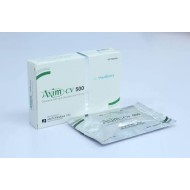
Armoda 250 mg Tablet (Armodafinil) – ACI Limited
| Brand Name | Armoda 250 mg Tablet |
|---|---|
| Generic Name | Armodafinil 250 mg |
| Strength | 250 mg per tablet (maximum approved dose) |
| Dosage Form | Tablet |
| Manufacturer | ACI Limited, Bangladesh |
| Drug Class | Wakefulness-Promoting Agent (Eugeroic) |
| Prescription Required | Yes (Rx) |
| Storage | Store below 30°C in a cool, dry place. Protect from light and moisture. |
1. About Armoda 250 mg (Armodafinil Maximum Dose)
Armoda 250 mg Tablet contains Armodafinil 250 mg — the maximum approved daily dose of armodafinil (the R-enantiomer of modafinil) — manufactured by ACI Limited, Bangladesh. This higher-strength formulation is prescribed for patients with narcolepsy who require maximum wakefulness-promoting efficacy beyond the standard 150 mg dose, or where the physician determines greater dosing is clinically appropriate.
Armodafinil 250 mg provides approximately 20–40% higher peak plasma concentration than the 150 mg dose. The pharmacokinetic advantage of armodafinil's single R-enantiomer formulation — longer half-life (~15 hours) and sustained plasma levels — is maximised at the 250 mg dose, enabling robust alertness from morning through the late afternoon/evening without a late-dose strategy.
2. Mechanism of Action
Armodafinil promotes wakefulness via selective dopamine reuptake transporter (DAT) inhibition, increasing extracellular dopamine in brain regions critical for arousal (prefrontal cortex, nucleus accumbens). Unlike amphetamines, it does not release dopamine, producing wakefulness without euphoria or significant abuse potential.
Secondary mechanisms include norepinephrine reuptake inhibition (alerting effect), hypothalamic histamine release (histaminergic wake-promotion), and interaction with the orexin/hypocretin system. At 250 mg, dopaminergic activity reaches maximum therapeutic efficacy. The R-enantiomer's extended half-life means once-daily morning dosing maintains therapeutic plasma levels through 14–16 hours.
3. Indications for 250 mg Dose
- Narcolepsy with inadequate response to 150 mg: Step-up to 250 mg for persistent excessive daytime sleepiness
- Narcolepsy (physician-initiated higher dose): Some clinical guidelines permit initiation at 250 mg in severe narcolepsy
- Note: 250 mg is NOT approved for shift work sleep disorder (SWSD) — 150 mg is the indicated SWSD dose. The higher dose is primarily for narcolepsy and OSA-adjunct contexts requiring maximum efficacy.
4. Dosage and Administration
Narcolepsy / OSA: 250 mg once daily in the morning. This is the maximum approved dose.
Take with or without food. Food delays Tmax by approximately 2–4 hours but does not affect total drug exposure (AUC). Avoid taking in the afternoon or evening due to risk of insomnia.
Hepatic impairment: Reduce dose by 50% in severe hepatic impairment — use 150 mg instead. Elderly: Start with lower doses (150 mg) and titrate carefully due to slower drug clearance.
5. Contraindications
- Hypersensitivity to armodafinil, modafinil, or excipients
- History of severe cutaneous reactions (SJS/TEN) with modafinil/armodafinil
6. Warnings and Precautions
Higher dose — heightened monitoring: At 250 mg, the risks of headache, insomnia, and cardiovascular effects are slightly higher than at 150 mg. More careful BP and HR monitoring is warranted at initiation.
Serious skin reactions: Stevens-Johnson syndrome and toxic epidermal necrolysis — discontinue at first sign of rash. Do not rechallenge.
Psychiatric effects: Anxiety, agitation, mania, psychosis have been reported. Patients with a history of psychiatric disorders should be closely monitored, especially when initiating 250 mg.
Cardiovascular: Higher doses may produce greater increases in heart rate and blood pressure. Caution in patients with pre-existing cardiovascular disease.
Contraceptive interaction: More pronounced CYP3A4 induction at higher armodafinil doses may further reduce hormonal contraceptive levels. Use non-hormonal contraception during treatment and for 1 month after stopping.
7. Side Effects
Common: Headache (most common, up to 23% in clinical trials), nausea, dizziness, insomnia, dry mouth, anxiety.
Dose-related (more common at 250 mg vs 150 mg): Headache, insomnia, nausea, palpitations.
Uncommon: Elevated BP/HR, decreased appetite, agitation, dyspepsia, rash.
Rare but serious: SJS/TEN, angioedema, psychiatric symptoms (mania, psychosis, hallucinations), suicidal ideation.
8. Drug Interactions
- Hormonal contraceptives: CYP3A4 induction reduces efficacy at all armodafinil doses. Use alternative non-hormonal contraception.
- CYP3A4 substrates: Reduced levels of cyclosporine, some statins, and other CYP3A4-metabolised drugs
- CYP2C19 substrates: Armodafinil inhibits CYP2C19 — increased levels of phenytoin, warfarin, diazepam, omeprazole; monitor and adjust doses
- Caffeine and stimulants: Avoid concurrent use at 250 mg — additive cardiovascular and CNS stimulant effects
- MAO inhibitors: Use with caution; clinical data limited
9. Armoda 150 mg vs 250 mg: When to Step Up
Clinical practice generally initiates armodafinil at 150 mg/day for narcolepsy and OSA. A step-up to 250 mg is considered when: (1) ESS remains elevated (>10) despite adequate 150 mg trial, (2) MWT objective alertness tests remain significantly impaired, (3) CGIC does not indicate meaningful improvement at 6–8 weeks. At 250 mg, clinical trials demonstrate additional 1–2 point ESS improvement vs 150 mg in narcolepsy populations with partial response.
10. Storage
- Below 30°C, cool, dry, protected from light and moisture
- Keep in original blister. Do not use after expiry date. Keep out of reach of children.
Frequently Asked Questions (FAQ)
Q1: Who needs Armoda 250 mg instead of 150 mg?
Armoda 250 mg is prescribed for narcolepsy patients who have an inadequate response to armodafinil 150 mg — persistent excessive daytime sleepiness despite appropriate trial duration and adherence. It is also considered when objective wakefulness tests (MWT) remain significantly impaired at 150 mg, or when the physician determines maximum-dose therapy is appropriate from the outset in severe narcolepsy. The 250 mg dose is not used for shift work sleep disorder (150 mg is preferred for SWSD).
Q2: What are the increased risks at 250 mg vs 150 mg?
At 250 mg, headache is more frequent (up to 23% vs ~14% at 150 mg), insomnia risk is higher (avoid afternoon dosing), and cardiovascular effects (palpitations, BP elevation) may be more pronounced. More frequent BP/HR monitoring is recommended at initiation of 250 mg therapy. Psychiatric monitoring should be more vigilant, particularly in patients with a personal or family history of psychiatric disorders. Despite these considerations, armodafinil 250 mg is generally well tolerated in clinical trials.
Q3: Can Armoda 250 mg be used for obstructive sleep apnea?
Yes — armodafinil 250 mg can be used as an adjunct to CPAP therapy in obstructive sleep apnea (OSA) when 150 mg is insufficient for residual excessive daytime sleepiness. It is important that Armoda be used as an adjunct to CPAP, not as a replacement — adequate CPAP therapy for the underlying OSA must be maintained. If CPAP is discontinued, sleep studies should be reassessed. Armoda does not treat the underlying apnoeic events.
Q4: How does 250 mg armodafinil compare to modafinil 400 mg?
Armodafinil 250 mg is approximately equivalent to or slightly more effective than modafinil 400 mg (the maximum modafinil dose), based on pharmacokinetic comparisons — armodafinil's single R-enantiomer provides higher and more sustained plasma concentrations. Clinical evidence suggests armodafinil 250 mg provides comparable daytime alertness with a potentially better late-afternoon alertness profile than modafinil 400 mg. Both have similar safety profiles, but armodafinil dosing is more predictable due to single-enantiomer pharmacokinetics.