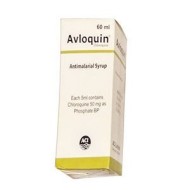
- Stock: Out Of Stock
- Brand: ACI Pharmaceuticals
- Product ID: Chloroquine Phosphate
🔒 100% Secure Payment | bKash | Nagad | SSLCommerz | COD
⭐ Become a FREE Member: 7% Extra Savings • Free Delivery • Refill Reminders • Priority Support
This Item is for pre order
Avloquin Tab – Chloroquine: Travel Prophylaxis, Drug Interactions & Safe Use in Pregnancy
| Brand Name | Avloquin Tab |
|---|---|
| Generic Name | Chloroquine Phosphate 250mg (150mg base) |
| Strength | 250mg phosphate per tablet (150mg base) |
| Dosage Form | Tablet |
| Manufacturer | ACI Limited, Bangladesh |
| Drug Class | 4-Aminoquinoline Antimalarial / DMARD |
| Prescription Required | Yes (Rx) |
| Storage | Below 30°C, dry place, protected from light. |
1. Malaria Prophylaxis for Travellers to Chittagong Hill Tracts
Avloquin Tab (Chloroquine Phosphate 250mg) by ACI Limited is used for weekly malaria prophylaxis by travellers to chloroquine-sensitive malaria zones. In Bangladesh, travellers visiting the Chittagong Hill Tracts (Rangamati, Khagrachari, Bandarban) for trekking, humanitarian work, or official duty are at risk of both P. vivax and P. falciparum malaria. Prophylaxis regimen: Chloroquine phosphate 500mg (2 tablets × 250mg) once weekly — start 1–2 weeks before travel to establish protective levels, continue throughout the stay, and continue for 4 weeks after leaving the endemic area. Important caveat: chloroquine prophylaxis does not provide 100% protection and does not prevent all P. falciparum infection (resistance). Personal protective measures remain essential: long-sleeved clothing, DEET-based repellent, permethrin-treated bed nets, particularly at dawn and dusk when Anopheles mosquitoes feed. Fever developing within 1 year of leaving a malaria zone requires malaria testing regardless of prophylaxis adherence.
2. Chloroquine in Pregnancy and Lactation
Chloroquine is one of the few antimalarials with an established safety profile in pregnancy. Clinical evidence: (1) Pregnancy safety: Chloroquine has been used for decades for malaria treatment and prophylaxis in pregnant women without evidence of teratogenicity at standard antimalarial doses. WHO and RCOG classify chloroquine as acceptable for malaria prophylaxis and treatment during all trimesters of pregnancy in chloroquine-sensitive areas; (2) Dose note: Higher doses used for SLE/RA (daily therapeutic) may carry theoretical risk — data primarily from lupus populations suggest no increased congenital anomalies, but the benefit-risk assessment should be made with a specialist; (3) Lactation: Chloroquine is excreted in breast milk in small amounts — insufficient to provide prophylaxis to the infant, but also insufficient to cause harm. Breastfeeding is not contraindicated during maternal chloroquine use; (4) Avoid mefloquine in the first trimester — chloroquine is the preferred alternative for prophylaxis in pregnancy when visiting chloroquine-sensitive areas.
3. Drug Interactions: Important Combinations to Avoid
Chloroquine has clinically significant interactions relevant to common medications used in Bangladesh: (1) Antacids and kaolin: Magnesium trisilicate, aluminium hydroxide antacids reduce chloroquine absorption by up to 30% — take chloroquine at least 4 hours apart from antacids; (2) Metformin (diabetes): No direct pharmacokinetic interaction, but both chloroquine and metformin have glucose-lowering effects — monitor blood glucose, particularly with higher doses of chloroquine; (3) Digoxin: Chloroquine may increase digoxin plasma levels — monitor for digoxin toxicity (nausea, bradycardia, visual changes) in patients on concurrent digoxin; (4) Ciclosporin: Chloroquine increases ciclosporin plasma levels — significant interaction in transplant patients; (5) QT-prolonging drugs: Chloroquine prolongs the QTc interval. Avoid combination with other QT-prolonging drugs: azithromycin, haloperidol, quinine, amiodarone — risk of ventricular arrhythmia (torsades de pointes); (6) Mefloquine: Concurrent use increases seizure risk; (7) Insulin and sulfonylureas: Chloroquine can lower blood glucose — may need dose reduction of insulin or sulfonylurea (glimepiride, glibenclamide) to avoid hypoglycaemia.
4. Contraindications and Caution
Chloroquine is contraindicated or requires caution in: (1) Known hypersensitivity to chloroquine or 4-aminoquinolines; (2) Pre-existing retinal or visual field changes — chloroquine can worsen retinal pathology; (3) Epilepsy / seizure disorders — chloroquine lowers seizure threshold; use with extreme caution; (4) Psoriasis — may precipitate severe psoriatic flares; (5) Cardiac arrhythmias, prolonged QTc — chloroquine prolongs QT interval; avoid in patients with congenital long QT syndrome or significant cardiac disease; (6) Hepatic impairment: Use with caution — chloroquine undergoes hepatic metabolism; dose reduction may be required; (7) Myasthenia gravis: Chloroquine can exacerbate neuromuscular blockade.
Frequently Asked Questions (FAQ)
Q1: I'm travelling to the Chittagong Hill Tracts for a week — how do I take chloroquine prophylaxis?
Chloroquine prophylaxis schedule: (1) Start 1–2 weeks before departure: take 2 tablets (500mg phosphate = 300mg base) once; (2) Continue once weekly on the same day each week throughout your visit; (3) Continue for 4 weeks after returning. For a 1-week trip: you will take tablets for approximately 6 weeks total (1–2 before + 1 during + 4 after). Take with food or milk to reduce nausea. Use DEET repellent, long sleeves at dusk, bed net — prophylaxis is not 100% protective. If you develop fever within a year of return, seek malaria testing even if prophylaxis was completed correctly.
Q2: I take metformin and glipizide for diabetes — is it safe to also take chloroquine for malaria?
Chloroquine can lower blood glucose independently of diabetes medications, potentially increasing hypoglycaemia risk when combined with sulfonylureas (glipizide, glimepiride, glibenclamide) or insulin. For weekly prophylaxis doses, the interaction risk is low but still warrants monitoring. Recommendations: (1) Inform your diabetes doctor before starting chloroquine; (2) Monitor blood glucose more frequently in the first 1–2 weeks; (3) Watch for hypoglycaemia symptoms (sweating, tremor, palpitations, hunger, confusion); (4) If you notice lower-than-usual blood glucose readings, discuss possible dose adjustment of your diabetes medication with your doctor. Metformin alone (without sulfonylurea/insulin) has lower hypoglycaemia risk with chloroquine.
Q3: Can I take chloroquine if I'm on azithromycin for a chest infection?
This combination should be avoided or used with great caution — both chloroquine and azithromycin prolong the QTc interval, and combining them significantly increases the risk of ventricular arrhythmia (torsades de pointes), a potentially fatal heart rhythm disturbance. If you need an antibiotic for a chest infection while on chloroquine (for malaria prophylaxis or lupus/RA), discuss with your doctor — amoxicillin or doxycycline may be safer alternatives for certain indications. This interaction was one reason why the proposed use of chloroquine + azithromycin for COVID-19 was particularly dangerous.
Q4: Does taking chloroquine once a week cause eye problems?
Weekly prophylaxis doses of chloroquine (500mg phosphate = 300mg base, once weekly) carry very low risk of retinal toxicity. Retinopathy risk is related to cumulative dose and daily dose exceeding 2.5mg/kg/day of base. Weekly prophylaxis does not approach these thresholds. For long-term use in SLE or RA (daily dosing for years), annual ophthalmology review is recommended from year 5. For malaria prophylaxis travellers taking chloroquine for weeks to months, the cumulative dose is far below the retinopathy threshold. Report any new visual symptoms (blurred vision, difficulty reading) regardless of dose or duration.