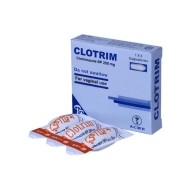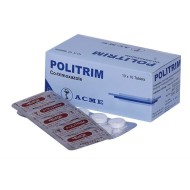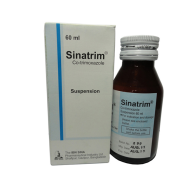

- Stock: Out Of Stock
- Brand: ACI Pharmaceuticals
- Product ID: Cotrimoxazole (Sulphamethoxazole + Trimethoprim)
🔒 100% Secure Payment | bKash | Nagad | SSLCommerz | COD
⭐ Become a FREE Member: 7% Extra Savings • Free Delivery • Refill Reminders • Priority Support
This Item is for pre order
Product Overview
| Brand Name | Avlotrin 20 mg Tablet |
|---|---|
| Generic Name | Co-trimoxazole (Trimethoprim 20 mg + Sulfamethoxazole 100 mg) |
| Manufacturer | ACI Limited, Bangladesh |
| Strength | Trimethoprim 20 mg + Sulfamethoxazole 100 mg per tablet |
| Dosage Form | Tablet (Paediatric / Single Strength) |
| Therapeutic Class | Antibacterial — Sulfonamide + Diaminopyrimidine Combination |
| MRP (Bangladesh) | ৳0.48 per tablet |
| Prescription Status | Prescription required |
What Is Avlotrin 20 mg (Paediatric Co-trimoxazole)?
Avlotrin 20 mg Tablet is a paediatric single-strength formulation of Co-trimoxazole manufactured by ACI Limited, Bangladesh. Each tablet contains Trimethoprim 20 mg and Sulfamethoxazole 100 mg, providing a weight-appropriate dosage for children. Co-trimoxazole is a synergistic antibiotic combination that targets two sequential enzymes in the bacterial folate biosynthesis pathway, achieving bactericidal activity with a mechanism distinct from beta-lactams or aminoglycosides. Paediatric co-trimoxazole formulations such as Avlotrin 20 mg are used for the treatment and prophylaxis of a range of common childhood infections, and are listed on the WHO Essential Medicines List for Children (EMLc). In Bangladesh, this affordable formulation remains an important antibiotic for paediatric practice in both hospital and community settings.
Mechanism of Action
Co-trimoxazole works by sequentially blocking two critical enzymes in the bacterial folate synthesis pathway. Sulfamethoxazole, the sulfonamide component, competitively inhibits dihydropteroate synthase (DHPS), preventing bacterial use of para-aminobenzoic acid (PABA) to synthesise dihydrofolic acid. Trimethoprim then blocks dihydrofolate reductase (DHFR), halting the conversion of dihydrofolate to tetrahydrofolate — the active form of folate required for purine and thymidine biosynthesis. By disrupting two points in the same pathway, the combination achieves bactericidal synergy: each component potentiates the effect of the other. The ratio of sulfamethoxazole to trimethoprim is fixed at 5:1 (100 mg to 20 mg in this paediatric tablet), which corresponds to the plasma concentration ratio at which optimal synergy has been demonstrated in pharmacokinetic studies. Mammalian cells, which acquire folate from diet rather than synthesising it, are unaffected by these enzyme inhibitions.
Paediatric Indications and Clinical Uses
In children, Avlotrin 20 mg tablet is indicated for acute otitis media (middle ear infection) caused by susceptible strains of Haemophilus influenzae or Streptococcus pneumoniae, which remains a high-burden condition in Bangladeshi children. It is used for urinary tract infections in paediatric patients where susceptibility is confirmed. For acute exacerbations of recurrent bronchitis and community-acquired respiratory tract infections in children not at risk for atypical organisms, co-trimoxazole can be effective. A critical indication is Pneumocystis jirovecii pneumonia (PCP) prophylaxis in HIV-exposed and HIV-infected infants and children — particularly relevant in Bangladesh where vertical transmission of HIV remains a public health concern. It is also used for shigellosis (bacillary dysentery) in children where the organism is susceptible, and for cyclosporiasis. Paediatric patients with immunocompromising conditions, including those receiving chemotherapy, require co-trimoxazole prophylaxis as standard care.
Paediatric Dosing and Administration
The dose of co-trimoxazole for children is weight-based, typically calculated at 6–12 mg/kg/day of the trimethoprim component in two divided doses (i.e., 5:1 ratio giving 30–60 mg/kg/day of sulfamethoxazole). Using the 20 mg trimethoprim tablet, a child weighing 10 kg would typically require 1 tablet twice daily for most infections. For acute otitis media and UTIs, a 5–10 day course is standard. For PCP prophylaxis in HIV-exposed infants, 5 mg/kg/day of trimethoprim (given as a single daily dose or three times weekly) starting from 4–6 weeks of age is WHO-recommended. Tablets should be taken with food or a full glass of water to reduce gastrointestinal upset. Maintaining adequate fluid intake throughout treatment is important to prevent crystalluria in children. The tablets may be crushed and dissolved in a small amount of water or juice for younger children who cannot swallow whole tablets. Dose adjustment is required in children with significant renal impairment; in neonates and infants under 6 weeks, co-trimoxazole is contraindicated except in specific clinical circumstances due to the risk of kernicterus.
Contraindications and Special Paediatric Precautions
Avlotrin 20 mg is contraindicated in neonates under 4–6 weeks of age (risk of kernicterus from sulphonamide-mediated bilirubin displacement from albumin). It is contraindicated in children with known hypersensitivity to sulfonamides, trimethoprim, or any component of the formulation. Children with G6PD deficiency are at risk of haemolytic anaemia and co-trimoxazole should be used with extreme caution or avoided. It should not be used in children with severe renal or hepatic impairment, or those with megaloblastic anaemia due to folate deficiency — a particular concern in malnourished children in Bangladesh. Prolonged use in children with poor nutritional status may exacerbate folate deficiency; folic acid supplementation (at a dose that does not antagonise the antibacterial effect) may be considered under physician guidance. In children receiving other folate-depleting medications (e.g., methotrexate), co-trimoxazole should be used with extreme caution.
Adverse Effects in Children and Monitoring
Gastrointestinal intolerance — nausea, vomiting, and loss of appetite — is the most common adverse effect in paediatric patients and is usually mild. Skin reactions merit close attention: ranging from mild rash to severe Stevens-Johnson syndrome (SJS) and toxic epidermal necrolysis (TEN). Parents and caregivers should be counselled to stop the medication immediately and seek medical attention if any skin rash, blistering, or mucosal lesions develop. Haematological effects including thrombocytopenia and leucopenia are possible, particularly with prolonged courses or in nutritionally compromised children; periodic blood count monitoring is advisable for courses exceeding two weeks. Hyperkalaemia may occur in children with renal compromise. Trimethoprim-induced rise in serum creatinine (without true GFR reduction) can be misinterpreted as renal dysfunction in children with baseline renal concerns. Parents should be informed that any fever, sore throat, or unusual bruising during therapy warrants urgent medical review.
Antibiotic Stewardship and Resistance
Resistance to co-trimoxazole among common paediatric pathogens is a growing concern in Bangladesh. Community-acquired uropathogenic Escherichia coli strains causing paediatric UTIs show high co-trimoxazole resistance rates, and empirical use without sensitivity data is increasingly unreliable for this indication. Haemophilus influenzae resistance has also increased. For shigellosis, susceptibility testing is essential before prescribing. However, for Pneumocystis jirovecii PCP — where in vitro testing is not feasible — co-trimoxazole retains its role as first-line therapy for both prophylaxis and treatment. Parents must be strongly counselled to complete the full prescribed antibiotic course even after the child appears well, as premature discontinuation is a major driver of resistance development and may allow recurrence of infection. Avlotrin 20 mg should never be given to a child without medical prescription, as inappropriate antibiotic use in childhood contributes substantially to population-level resistance.
Storage and Dispensing
Avlotrin 20 mg tablets should be stored at room temperature below 30°C, protected from direct sunlight, heat, and humidity. Keep all medications out of reach of children. Do not use after the printed expiry date. Dispense in original blister pack with intact labelling. As a prescription antibiotic, Avlotrin 20 mg requires a valid prescription from a registered physician. Pharmacists and health workers should counsel caregivers about the weight-based dosing principle, the importance of course completion, adequate hydration, recognition of allergic reactions, and not sharing antibiotics with other children or saving tablets from a previous prescription.
Frequently Asked Questions (FAQ)
Q1: What is Avlotrin 20 mg tablet used for in children?
A: Avlotrin 20 mg is a paediatric co-trimoxazole tablet used for urinary tract infections, acute otitis media (ear infection), respiratory infections, Pneumocystis jirovecii pneumonia (PCP) prophylaxis in immunocompromised children, and shigellosis — all under physician supervision.
Q2: What is the correct dose of Avlotrin 20 mg for my child?
A: Dosing is weight-based — typically 6 mg/kg/day of the trimethoprim component in two divided doses. For a 10 kg child, this is usually 1 tablet twice daily. Always follow your doctor's prescribed dose as it depends on the child's weight and the specific infection being treated.
Q3: Can co-trimoxazole be given to newborns or very young infants?
A: No. Co-trimoxazole is contraindicated in neonates under 4–6 weeks of age due to the risk of kernicterus (a form of brain damage caused by high bilirubin levels). In HIV-exposed infants, PCP prophylaxis with co-trimoxazole begins at 4–6 weeks of age as per WHO guidelines.
Q4: What should I do if my child develops a rash while taking Avlotrin?
A: Stop the medication immediately and contact your doctor or take your child to a healthcare facility. Sulfonamide-containing drugs can rarely cause severe skin reactions including Stevens-Johnson syndrome. Any new rash, blistering, mouth sores, or eye redness during co-trimoxazole therapy should be treated as a medical emergency until assessed.
Medical Disclaimer: This information is provided for educational purposes only and does not substitute for professional medical advice. Paediatric dosing and antibiotic selection require assessment by a qualified healthcare professional. Always consult a licensed physician or pharmacist before administering any medication to a child. DiabetesStore.com.bd does not assume liability for clinical decisions based on this content.