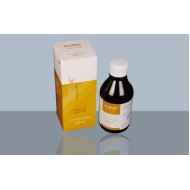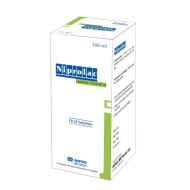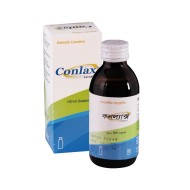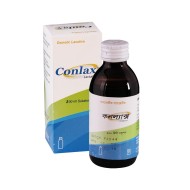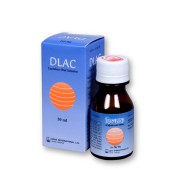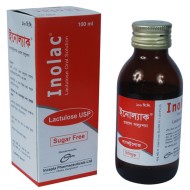
- Stock: Pre-Order
- Brand: Aristopharma
- Product ID: Lactulose
🔒 100% Secure Payment | bKash | Nagad | SSLCommerz | COD
⭐ Become a FREE Member: 7% Extra Savings • Free Delivery • Refill Reminders • Priority Support
This Item is for pre order
Product Overview
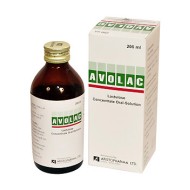
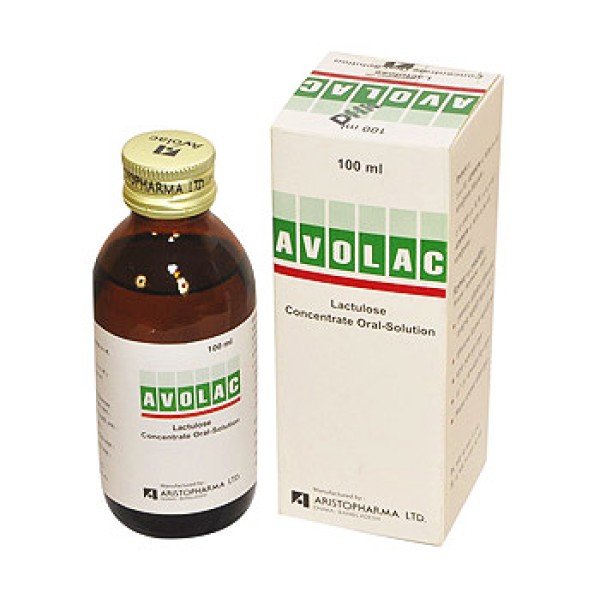
| Brand Name | Avolac 100 ml Oral Solution |
|---|---|
| Generic Name | Lactulose (3.35 g per 5 ml) |
| Manufacturer | ACI Limited, Bangladesh |
| Strength | 3.35 g lactulose per 5 ml |
| Pack Size | 100 ml bottle |
| Dosage Form | Oral Solution (Syrup) |
| Therapeutic Class | Osmotic Laxative / Bowel Regulator |
| MRP (Bangladesh) | ৳200.00 per 100 ml bottle |
| Prescription Status | Available with or without prescription; physician guidance recommended |
What Is Avolac (Lactulose) Oral Solution?
Avolac 100 ml is a lactulose oral solution manufactured by ACI Limited, Bangladesh. Lactulose is a synthetic disaccharide derived from lactose, consisting of galactose and fructose linked by a beta-glycosidic bond that human digestive enzymes cannot cleave. This non-absorbable sugar passes intact through the small intestine and exerts its therapeutic effects entirely within the colon. Avolac is used as an osmotic laxative for the treatment of constipation — one of the most common and underappreciated complications of diabetes mellitus in Bangladesh. Unlike stimulant laxatives, lactulose is non-habit-forming, does not cause electrolyte losses through stimulation of intestinal secretion, and is safe for prolonged use under physician supervision. The 100 ml pack is suitable for short-term treatment courses and acute constipation relief.
Mechanism of Action: How Lactulose Works
Lactulose is not absorbed from the gastrointestinal tract and reaches the colon intact. In the large intestine, resident colonic bacteria (primarily Lactobacillus and Bifidobacterium species) ferment lactulose into short-chain organic acids — predominantly lactic acid, acetic acid, and small amounts of formic acid and carbon dioxide. These metabolic products exert two complementary therapeutic effects. First, the accumulation of osmotically active fermentation products draws water into the colonic lumen, softening the stool and stimulating peristalsis through bowel wall distension. Second — highly relevant for hepatic encephalopathy — the lowering of colonic pH by organic acid production inhibits the conversion of ionic ammonium (NH4+) to freely diffusible ammonia (NH3), thereby trapping nitrogen as ammonium in the colon and preventing its systemic absorption. The combined osmotic and acidification effects make lactulose unique among laxatives in having both bowel-regulatory and nitrogen-trapping properties.
Indications: Constipation in Diabetes and Beyond
Avolac oral solution is indicated for the management of constipation in adults, children, and infants under medical supervision. In the context of diabetes mellitus, constipation has a specific and often underappreciated pathophysiology: autonomic neuropathy — particularly enteric neuropathy — impairs colonic motility, resulting in slow transit constipation that can range from mild infrequency to severe faecal impaction. This diabetic colonic dysfunction affects a substantial proportion of patients with longstanding type 2 diabetes, particularly those with poor glycaemic control. Lactulose provides safe, non-stimulant bowel regulation in this population without the risks of electrolyte disturbance or colonic dependence associated with stimulant laxatives. Beyond diabetes, Avolac is used for constipation associated with immobility, post-operative bowel care, opioid-induced constipation, constipation during pregnancy, and as an adjunct in the management of hepatic encephalopathy. It is also used in paediatric constipation, where its palatable syrup form is well accepted.
Dosage and Administration
For adults with constipation, the typical starting dose of lactulose is 15–30 ml (approximately 10–20 g lactulose) once or twice daily, adjusted based on response. The onset of action is typically 24–48 hours after the first dose. Once the desired bowel frequency is achieved, the dose should be titrated to the minimum effective maintenance dose. For children, the dose is adjusted by age and weight: infants up to 1 year may receive 2.5 ml twice daily; children 1–6 years receive 5–10 ml daily; children 7–14 years receive 10–15 ml daily. Avolac solution may be taken undiluted or mixed with water, fruit juice, or milk to improve palatability. It should be swallowed, not held in the mouth. For best results, take at the same time each day and maintain adequate fluid intake — at least 6–8 glasses of water daily — to support the osmotic effect. Lactulose should not be expected to produce an immediate effect; patients should be counselled that 1–2 days is normal before the first response.
Lactulose in Diabetic Patients: Safety and Considerations
Lactulose is generally well tolerated in patients with diabetes mellitus, but several considerations are important. Lactulose contains small amounts of free lactose, galactose, and fructose as manufacturing residuals in addition to the lactulose disaccharide itself. These residual sugars are present in relatively small quantities at therapeutic doses and do not significantly impact blood glucose in most diabetic patients when used at standard doses. However, patients with poorly controlled diabetes or those on tight glycaemic management should be aware of this content and monitor blood glucose if clinically indicated. The fermentation of lactulose by gut bacteria may also cause transient increases in intestinal gas production. Lactulose does not interact significantly with common antidiabetic medications, making it a convenient choice for diabetic patients with constipation. Long-term use should be under periodic medical review to assess for electrolyte balance, particularly in elderly diabetic patients who may be more vulnerable to dehydration.
Contraindications and Precautions
Avolac oral solution is contraindicated in patients with galactosaemia (an inborn error of galactose metabolism) due to the galactose content of lactulose. It is contraindicated in bowel obstruction or suspected ileus, as stimulating peristalsis in the presence of mechanical obstruction can cause perforation. Caution is required in patients requiring a strict low-galactose or low-lactose diet. In patients undergoing colonoscopy or sigmoidoscopy, lactulose should be avoided as a bowel preparation agent because colonic fermentation can produce combustible gases, posing a risk if electrocautery is used. Lactulose should be used with caution in patients with inflammatory bowel disease, as increased osmotic load may exacerbate symptoms during acute flares. Diabetic patients should be aware of the small amount of residual sugars and inform their physician if undertaking intensive glucose monitoring.
Adverse Effects
The most common adverse effects of lactulose are gastrointestinal in nature and often dose-dependent. Flatulence and bloating are very common, particularly in the first few days of therapy, as the colonic bacteria adapt to the increased fermentation substrate load. Abdominal cramps and discomfort may also occur, especially at higher doses. Diarrhoea and excessive bowel urgency indicate overdose; reducing the dose resolves this promptly. Nausea may occur, particularly if the solution is taken on an empty stomach; taking lactulose with food or diluting with juice may reduce nausea. Prolonged diarrhoea or very high-dose therapy can cause electrolyte disturbances (hyponatraemia, hypokalaemia), particularly in elderly patients or those with renal impairment, and warrants medical review. The solution has a sweet taste which some patients find unpleasant at higher volumes; dilution is always acceptable.
Storage
Avolac 100 ml oral solution should be stored at room temperature below 25°C, away from direct heat and sunlight. Do not freeze. Once opened, use within the period specified on the pack. Keep out of reach of children. The solution should not be used if it appears discoloured or has developed an unusual odour, as this may indicate degradation.
Frequently Asked Questions (FAQ)
Q1: How does lactulose help with constipation in diabetes?
A: Diabetes can damage the nerves controlling the bowel (autonomic neuropathy), leading to slow colonic transit and constipation. Lactulose draws water into the colon osmotically, softening stool and stimulating bowel movement without affecting the nerves directly — making it a safe, non-stimulant option for diabetic constipation.
Q2: Will Avolac (lactulose) raise my blood sugar?
A: Lactulose is not significantly absorbed from the intestine, so it has minimal effect on blood glucose at standard doses. Small residual amounts of galactose and fructose are present in the formulation but are clinically insignificant at therapeutic doses for most patients.
Q3: How long does it take for Avolac to work?
A: Lactulose typically takes 24–48 hours after the first dose to produce a bowel movement. It is not an immediate-action laxative. If there is no response after 48–72 hours at the standard dose, consult your physician for dose adjustment.
Q4: Can lactulose be taken long-term?
A: Yes — unlike stimulant laxatives, lactulose does not cause colonic dependence or "lazy bowel" with long-term use. However, the underlying cause of constipation should be investigated and managed, and prolonged lactulose therapy should be supervised by a physician, particularly in elderly patients or those with other medical conditions.
Medical Disclaimer: This information is provided for educational purposes only and does not substitute for professional medical advice. Always consult a licensed physician or pharmacist before starting any new medication, especially if you have diabetes or other medical conditions. DiabetesStore.com.bd does not assume liability for clinical decisions made based on this content.