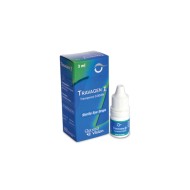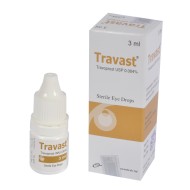
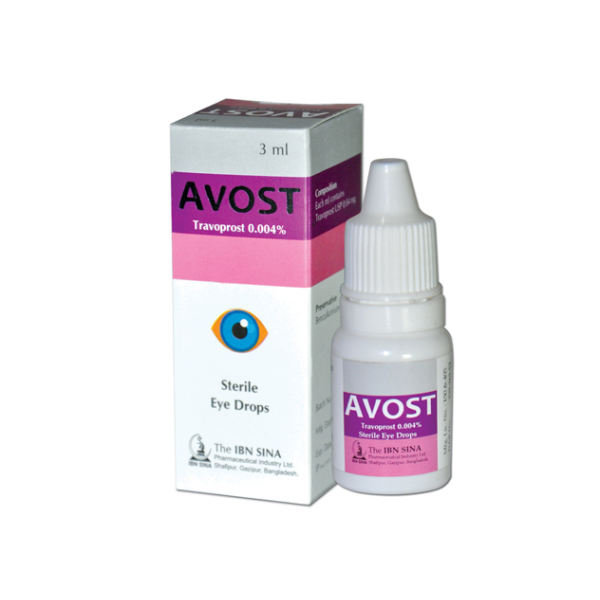
- Stock: In Stock
- Brand: Ibn-Sina Pharmaceuticals Ltd.
- Product ID: Travoprost
🔒 100% Secure Payment | bKash | Nagad | SSLCommerz | COD
⭐ Become a FREE Member: 7% Extra Savings • Free Delivery • Refill Reminders • Priority Support
Product Overview
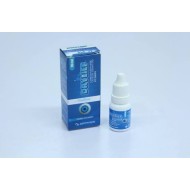
| Brand Name | Avost Eye Drop |
|---|---|
| Generic Name | Travoprost 0.004% |
| Manufacturer | ACI Limited, Bangladesh |
| Strength | Travoprost 0.004% w/v (40 mcg per ml) |
| Dosage Form | Eye Drop (Ophthalmic Solution) |
| Therapeutic Class | Antiglaucoma Agent — Prostaglandin F2α Analogue |
| MRP (Bangladesh) | ৳470.00 per bottle |
| Prescription Status | Prescription required |
What Is Avost (Travoprost 0.004%)?
Avost Eye Drop is an ophthalmic solution containing Travoprost 0.004%, a synthetic prostaglandin F2α analogue, manufactured by ACI Limited, Bangladesh. Travoprost is one of the most potent intraocular pressure (IOP)-lowering agents available and is a first-line pharmacological treatment for primary open-angle glaucoma (POAG) and ocular hypertension. Glaucoma is a leading cause of irreversible blindness in Bangladesh and globally, and its management requires sustained reduction of intraocular pressure to halt progressive optic nerve damage and visual field loss. For patients with diabetes mellitus — who have a significantly elevated lifetime risk of open-angle glaucoma, neovascular glaucoma (as a consequence of proliferative diabetic retinopathy and central retinal vein occlusion), and accelerated cataract formation — Avost provides an accessible, cost-effective, once-daily antiglaucoma therapy from a trusted Bangladeshi manufacturer.
Mechanism of Action
Travoprost is a selective, full agonist at the prostaglandin FP receptor (PGF2α receptor) in the ciliary body of the eye. Its primary IOP-lowering mechanism is a substantial increase in uveoscleral outflow — the secondary aqueous humour drainage pathway through the supraciliary cleft and across the sclera. Travoprost achieves this by relaxing ciliary muscle tone and remodelling the extracellular matrix of the ciliary body through matrix metalloproteinase (MMP) activation, reducing the resistance to aqueous outflow through the uveoscleral route. Avost also modestly increases trabecular meshwork outflow through FP receptor stimulation. The net effect is a sustained and significant reduction in intraocular pressure, with average IOP reductions of 25–35% from baseline in clinical trials — among the highest of any single topical antiglaucoma agent. Travoprost is a prodrug that undergoes rapid corneal esterase hydrolysis upon instillation to the active acid form, which then acts on local FP receptors within the anterior uveal tissues.
Glaucoma in Diabetes: Clinical Context in Bangladesh
Diabetes mellitus is an independent risk factor for primary open-angle glaucoma, with diabetic patients having a 1.4–2-fold elevated risk compared to the general population. Several mechanisms link diabetes to glaucoma: hyperglycaemia promotes oxidative stress and endothelial dysfunction in the trabecular meshwork, impairing aqueous outflow; diabetic microvascular disease may reduce optic nerve perfusion pressure, increasing susceptibility to glaucomatous damage at any given IOP level; and diabetic patients are more likely to have other glaucoma risk factors including hypertension and longer duration of systemic disease. Additionally, neovascular glaucoma — a severe, rapidly progressive form driven by anterior segment neovascularisation in patients with proliferative diabetic retinopathy or central retinal vein occlusion — requires aggressive IOP management including prostaglandin analogues as part of the treatment protocol. In Bangladesh, where regular ophthalmological screening of diabetic patients remains suboptimal, glaucoma is frequently diagnosed at an advanced stage. Avost offers a once-daily, highly effective IOP-lowering option that can be incorporated into the comprehensive diabetic eye care plan.
Dosage and Administration
The recommended dose of Avost is one drop instilled into the affected eye(s) once daily, in the evening. The evening dosing recommendation is based on pharmacokinetic and clinical data showing optimal diurnal IOP control when travoprost is dosed at bedtime. Strict once-daily dosing should be maintained; more frequent dosing does not provide additional IOP reduction and may reduce efficacy. Proper instillation technique is important for efficacy and to minimise systemic absorption. Patients should tilt the head back, pull down the lower eyelid, and instil one drop into the conjunctival sac without touching the dropper tip to the eye or periorbital skin. After instillation, gentle nasolacrimal occlusion (pressing the inner corner of the eye for 1–2 minutes) reduces systemic absorption via the nasolacrimal duct — important for patients with cardiovascular disease or asthma. If more than one ophthalmic preparation is used concurrently, each should be instilled at least 5 minutes apart. Contact lenses should be removed before instillation and may be reinserted 15 minutes later.
Ocular and Systemic Side Effects
The most common and characteristic adverse effect of prostaglandin analogues including travoprost is ocular hyperaemia (eye redness), which occurs in approximately 40–50% of patients and is usually mild and does not require discontinuation. A unique and important cosmetic side effect is periorbital changes: prostaglandin analogues increase periorbital pigmentation, periorbital fat atrophy (enophthalmos or “sunken eye” appearance), and increased iris pigmentation (particularly in eyes with mixed-colour irides — the darkening is permanent and dose-related). Increased eyelash growth (hypertrichosis), thickening, and darkening are also common and may be cosmetically welcomed by some patients. Instillation-related discomfort including mild stinging, burning, and foreign body sensation is reported by some patients. Systemic adverse effects are rare at recommended doses due to low systemic absorption, but include headache, respiratory tract infections, and rarely cardiovascular effects. Travoprost should be used with caution in patients with active intraocular inflammation (uveitis), aphakia (absent lens), or those at risk for macular oedema.
Drug Interactions and Concurrent Glaucoma Therapy
Travoprost may be combined with other topical antiglaucoma agents for additive IOP reduction, as is common in glaucoma management requiring multiple medications. Common combinations in practice include travoprost with beta-blockers (timolol), carbonic anhydrase inhibitors (dorzolamide), or alpha-2 agonists (brimonidine). Fixed-dose combination eye drops containing travoprost plus timolol are available for patients requiring twice-daily compliance simplification. No clinically significant pharmacokinetic interactions have been identified between travoprost and systemic antidiabetic, antihypertensive, or cardiovascular medications. However, beta-blocker eye drops used in combination can have additive systemic beta-blockade, which may mask hypoglycaemic symptoms in diabetic patients on insulin or sulfonylureas — an important consideration in combined glaucoma-diabetes management.
Storage
Avost Eye Drop should be stored in a refrigerator (2–8°C) before opening. After first opening, the bottle may be kept at room temperature below 25°C for up to 6 weeks. Protect from direct sunlight. Keep out of reach of children. Do not use after the printed expiry date. Discard any remaining solution after the recommended period.
Frequently Asked Questions (FAQ)
Q1: Why are diabetic patients at higher risk of glaucoma?
A: Diabetes promotes oxidative stress and endothelial dysfunction in the trabecular meshwork (the eye’s drainage system), impairing aqueous outflow and raising intraocular pressure. Diabetic microvascular disease also reduces optic nerve blood supply, increasing susceptibility to glaucomatous damage at any given pressure level.
Q2: Will Avost (travoprost) change the colour of my eyes?
A: Travoprost can gradually increase iris pigmentation in eyes with mixed colours (e.g., hazel or green), turning them more brown. This change is permanent and dose-related. Periorbital skin darkening and increased eyelash growth may also occur. These changes are cosmetic and not medically harmful, but should be discussed with your ophthalmologist.
Q3: How do I use Avost eye drops correctly?
A: Instil one drop into the affected eye(s) once daily in the evening. Tilt your head back, gently pull down your lower eyelid, and drop the solution into the conjunctival sac without touching the dropper to your eye. After instillation, press the inner corner of your eye for 1–2 minutes to reduce systemic absorption. Remove contact lenses before instillation and reinsert after 15 minutes.
Q4: Can I use Avost with other glaucoma eye drops?
A: Yes — travoprost is frequently combined with other glaucoma drops (timolol, dorzolamide, brimonidine) for additive pressure reduction. When using multiple eye drops, wait at least 5 minutes between each drop to prevent washout. Discuss combination therapy with your ophthalmologist.
Medical Disclaimer: This information is provided for educational purposes only. Glaucoma is a serious condition requiring specialist ophthalmological management. Always consult a licensed physician or eye specialist before starting or changing any glaucoma medication. DiabetesStore.com.bd does not assume liability for clinical decisions made based on this content.