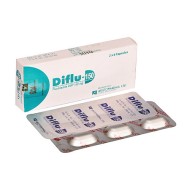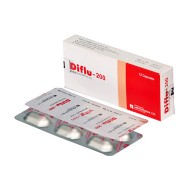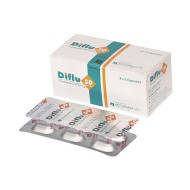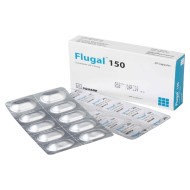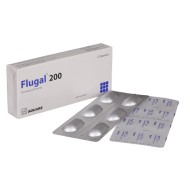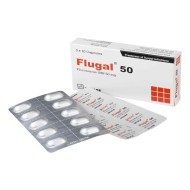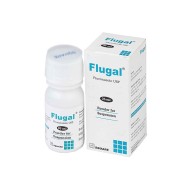
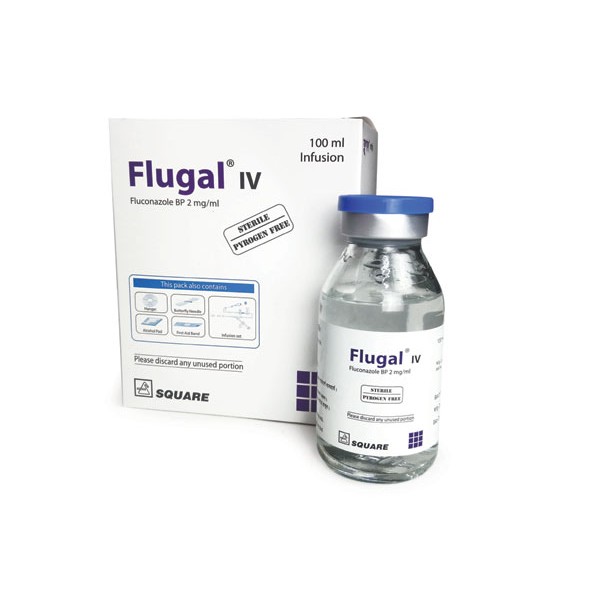
- Stock: Out Of Stock
- Brand: Square Pharmaceuticals
- Product ID: Fluconazole
🔒 100% Secure Payment | bKash | Nagad | SSLCommerz | COD
⭐ Become a FREE Member: 7% Extra Savings • Free Delivery • Refill Reminders • Priority Support
This Item is for pre order
| Generic Name | Fluconazole |
|---|---|
| Strength | 200 mg/100 ml |
| Dosage Form | IV Infusion |
| Manufacturer | Square Pharmaceuticals PLC |
| Therapeutic Class | Drugs for subcutaneous mycoses and systemic mycoses |
| Pack Size | 100 ml bottle |
Overview
Flugal 200mg/100ml IV Infusion contains Fluconazole, a synthetic triazole antifungal for intravenous administration. It is used when oral therapy is not feasible or in serious fungal infections requiring parenteral treatment. Fluconazole inhibits 14α-lanosterol demethylase, a cytochrome P450 enzyme essential for ergosterol synthesis in fungal membranes, resulting in accumulation of toxic sterol intermediates and fungal cell death. The IV formulation ensures rapid therapeutic plasma levels in critically ill patients with systemic candidal infections, cryptococcal meningitis, or when gastrointestinal absorption is compromised.
Dosage and Administration
Administer by intravenous infusion at a rate not exceeding 10 ml/minute (200 mg/hour). Systemic Candidal Infections: 400 mg on day 1, then 200 mg daily; severe infections may require 400 mg/day. Oropharyngeal Candidiasis: 200 mg day 1, then 100 mg daily for at least 14 days. Esophageal Candidiasis: 200 mg day 1, then 100 mg daily for minimum 21 days. Cryptococcal Meningitis: 400 mg day 1, then 200–400 mg daily for 6–8 weeks. Switch to oral therapy as soon as clinically appropriate. Dose adjustment required in renal impairment.
Interaction
Warfarin: prolongs prothrombin time significantly — close INR monitoring required. Sulphonylureas: enhanced hypoglycaemic effect. Hydrochlorothiazide: increases fluconazole plasma levels ~40%. Phenytoin: plasma levels may increase substantially. Rifampicin: reduces fluconazole exposure. Cyclosporin: plasma levels elevated — monitor. Theophylline: clearance reduced. Cisapride and terfenadine: concomitant use contraindicated due to arrhythmia risk.
Contraindications
Contraindicated in patients with hypersensitivity to fluconazole or related azole antifungals. Concomitant administration with cisapride or terfenadine is contraindicated. Not for subcutaneous or intramuscular injection — for intravenous infusion only.
Side Effects
Adverse effects include nausea, abdominal pain, diarrhoea, and flatulence. Infusion-site reactions (phlebitis, pain) may occur. Rash may develop; discontinue if exfoliative skin reactions occur. Hepatotoxicity (elevated liver enzymes, hepatic failure) has been reported with prolonged high-dose therapy. Rare cases of serious hypersensitivity reactions and severe cutaneous reactions have been documented.
Pregnancy and Lactation
Fluconazole is not recommended during pregnancy. It is contraindicated in women of childbearing potential not using effective contraception. Passes into breast milk at levels similar to plasma; should not be used during breastfeeding.
Precautions and Warnings
Monitor hepatic function before and during therapy, particularly in patients with pre-existing liver disease or those receiving prolonged treatment. Adjust dosage in renal impairment. Infuse slowly — do not exceed 10 ml/min. Inspect solution for particulate matter and discolouration before use; discard if solution is not clear. Do not add other medications to the infusion bag.
Storage Conditions
Store below 30°C, protected from light and freezing. Keep in original packaging until use. Keep out of reach of children.
Frequently Asked Questions
Q: When is the IV formulation preferred over oral Fluconazole capsules?
A: The IV formulation is used when the patient cannot take oral medications (e.g., severe nausea/vomiting, impaired swallowing, nil-by-mouth status) or when rapid attainment of therapeutic plasma levels is required in critically ill patients with serious systemic fungal infections.
Q: Can Flugal IV infusion be mixed with other drugs in the same line?
A: No. Flugal IV should not be mixed with other medications in the same infusion bag or line. A separate IV line should be used, and the line should be flushed before and after infusion if shared access is unavoidable.