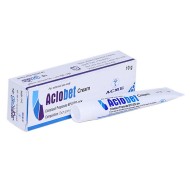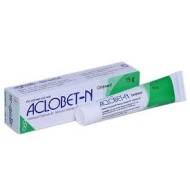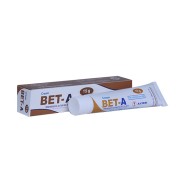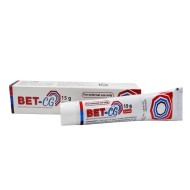
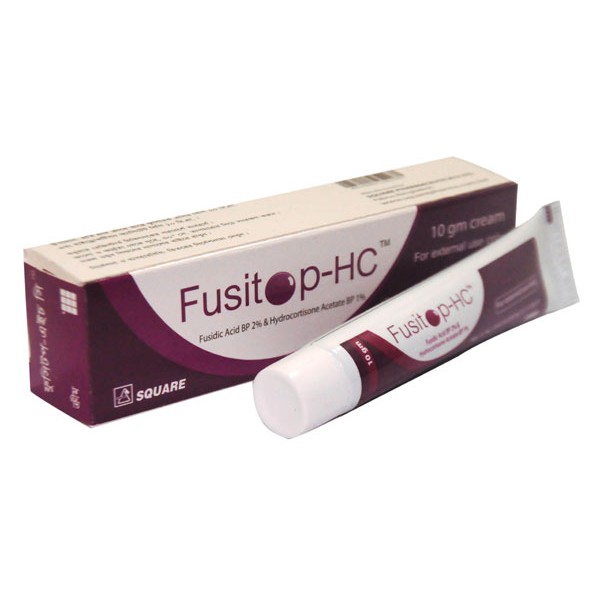
- Stock: In Stock
- Brand: Square Pharmaceuticals
- Product ID: Fusidic Acid & Hydrocortisone Acetate
🔒 100% Secure Payment | bKash | Nagad | SSLCommerz | COD
⭐ Become a FREE Member: 7% Extra Savings • Free Delivery • Refill Reminders • Priority Support
| Generic Name | Fusidic Acid + Hydrocortisone Acetate |
|---|---|
| Strength | 2% + 1% |
| Dosage Form | Cream |
| Manufacturer | Square Pharmaceuticals PLC |
| Therapeutic Class | Hydrocortisone & Combined Preparations |
| Pack Size | 20 gm tube |
Overview
Fusitop-HC Cream contains Fusidic Acid 2% (a topical antibiotic) combined with Hydrocortisone Acetate 1% (a mild corticosteroid). Fusidic acid is a steroid-structured antibiotic with potent activity against Staphylococcus aureus (including MRSA strains) and other gram-positive bacteria. Hydrocortisone reduces the inflammation, erythema, and pruritus associated with the infection. Together, they are effective for treating infected dermatoses including primary irritant dermatitis, contact allergic dermatitis, infected eczema, and seborrhoeic dermatitis complicated by bacterial superinfection.
Dosage and Administration
Apply a small amount of cream to the affected area three times daily. Treatment should be limited to a maximum of 2 weeks. Rub in gently until absorbed. Avoid applying to large areas of skin, the face for prolonged periods, or under occlusive dressings unless directed by a physician. Do not use in children under 3 years of age without medical supervision. Wash hands before and after application.
Interaction
No significant drug interactions are expected with topical application at recommended doses and limited surface area. Avoid concurrent use of other topical corticosteroids on the same area. Systemic absorption may be increased under occlusion or on damaged/inflamed skin.
Contraindications
Contraindicated in patients with hypersensitivity to fusidic acid, hydrocortisone acetate, or any excipient. Should not be used on viral skin infections (herpes simplex, chickenpox), tuberculosis of the skin, syphilitic skin lesions, perioral dermatitis, acne rosacea, or fungal infections. Avoid use on the eyes.
Side Effects
Local reactions may include mild irritation, burning, or stinging at the application site. With fusidic acid, hypersensitivity reactions and rare reports of local irritation have been noted. Prolonged use of hydrocortisone may cause skin thinning, striae, telangiectasia, perioral dermatitis, hypertrichosis, and changes in pigmentation. Systemic effects from topical corticosteroids are unlikely with short-term use on small areas.
Pregnancy and Lactation
Safety during pregnancy has not been fully established. Use only if the potential benefit justifies the potential risk, avoiding large areas and prolonged use. Do not apply to the breast or nipple area during breastfeeding. Consult a physician before using during pregnancy or lactation.
Precautions and Warnings
Limit treatment to 2 weeks. Prolonged topical corticosteroid use causes skin atrophy, adrenal suppression, and may mask signs of worsening infection. Do not use on the face for extended periods. If no improvement after 7 days, reassess diagnosis. Resistance to fusidic acid can develop with prolonged use or inadequate treatment courses. For external use only; avoid contact with eyes and mucous membranes.
Storage Conditions
Store below 25°C, protected from heat and moisture. Keep out of reach of children. Do not freeze.
Frequently Asked Questions
Q: How does Fusitop-HC differ from plain fusidic acid cream?
A: Fusitop-HC adds Hydrocortisone 1% to the fusidic acid, making it suitable for skin infections accompanied by significant inflammation, redness, or itching. Plain fusidic acid cream is used for uncomplicated bacterial skin infections without prominent inflammatory signs. The combination treats both the infection and the inflammatory component simultaneously.
Q: Can Fusitop-HC be used on the face?
A: It can be applied to the face for short periods (up to 1 week) when clinically indicated, but prolonged facial use of corticosteroid-containing creams carries risks of perioral dermatitis, rosacea, skin thinning, and telangiectasia. Use on the face should be under medical supervision and limited to the minimum duration necessary.